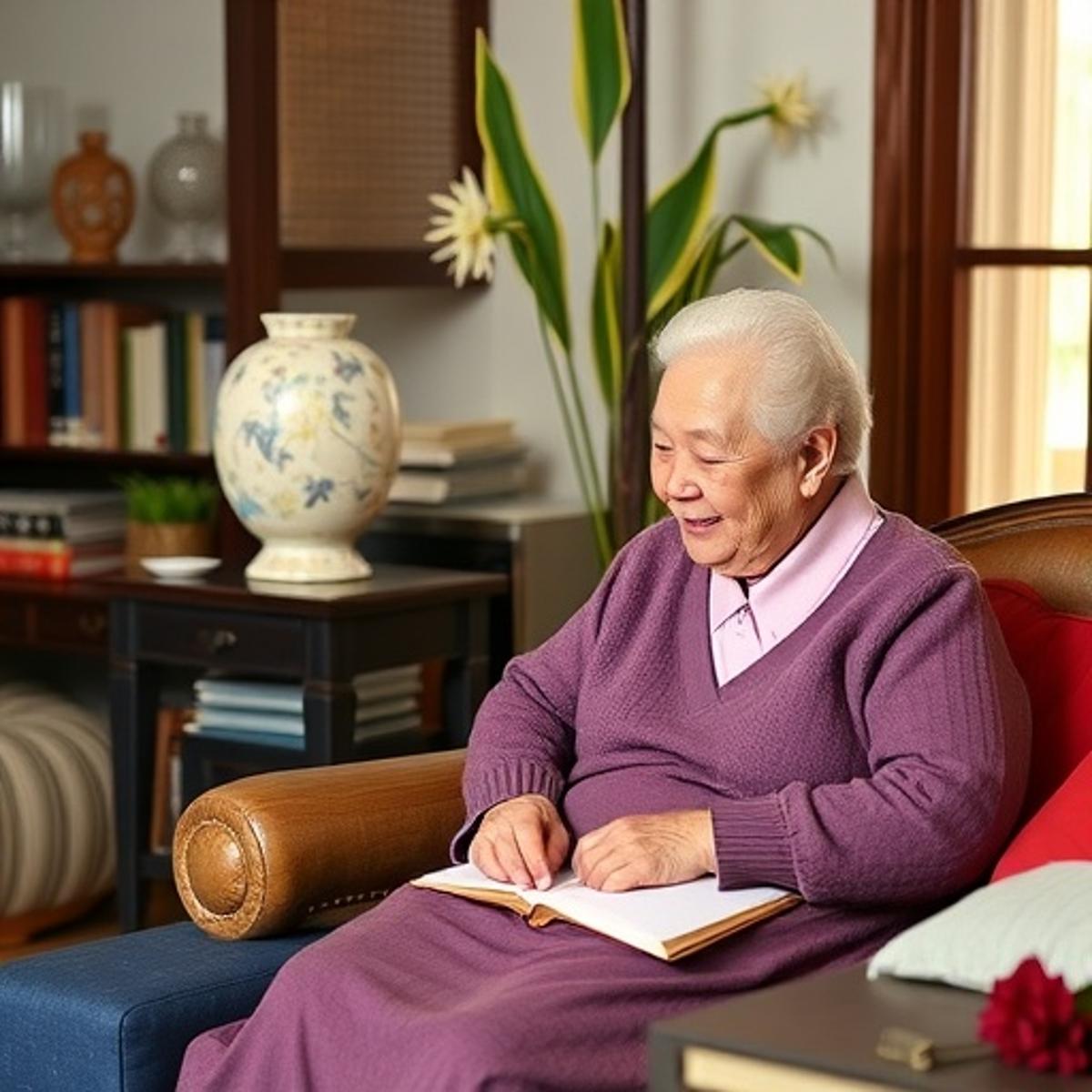
Key Factors Influencing Comfort in Chinese Elder Care
Why It Matters
Understanding these comfort drivers helps providers tailor services, investors allocate capital, and policymakers refine regulations to meet China’s aging demographic needs.
Key Takeaways
- •Filial piety drives families to co‑locate or closely monitor elders
- •Government subsidies favor community‑based senior centers over hospitals
- •Smart sensors and telehealth improve safety and reduce staff costs
- •Private rooms and nature‑rich environments boost resident satisfaction
- •Rising middle‑class incomes expand demand for premium elder‑care
Pulse Analysis
China’s elderly population is projected to exceed 300 million by 2035, creating a massive market for senior‑care services. While traditional family‑centered care remains the norm, the analysis shows a shift toward institutional options that respect cultural values such as filial responsibility. Government initiatives, including the 2024 "Healthy Aging" subsidy program, allocate roughly $12 billion USD annually to community‑based facilities, encouraging providers to embed social activities and medical support within neighborhoods. This policy backdrop reduces the stigma of external care and aligns with the public’s desire for proximity and continuity.
Facility design emerges as a critical lever for comfort. Studies cited in the report reveal that private rooms, natural lighting, and accessible gardens increase resident satisfaction scores by up to 18 percent. Operators that integrate these elements see lower turnover and higher willingness to pay, with premium packages commanding 20‑30 percent price premiums. Moreover, the adoption of smart monitoring—wearable sensors, AI‑driven fall detection, and remote health dashboards—has cut emergency response times by half, delivering both safety benefits and operational efficiencies.
For investors and operators, the convergence of cultural expectations, policy support, and technology creates a differentiated value proposition. Companies that blend traditional caregiving ethos with modern amenities can capture the growing middle‑class segment seeking high‑quality, dignified elder‑care. As China continues to urbanize, scalable community‑centric models that incorporate personalized environments and digital health tools are poised to dominate the sector, offering robust growth opportunities for forward‑looking stakeholders.
Key Factors Influencing Comfort in Chinese Elder Care
Comments
Want to join the conversation?
Loading comments...