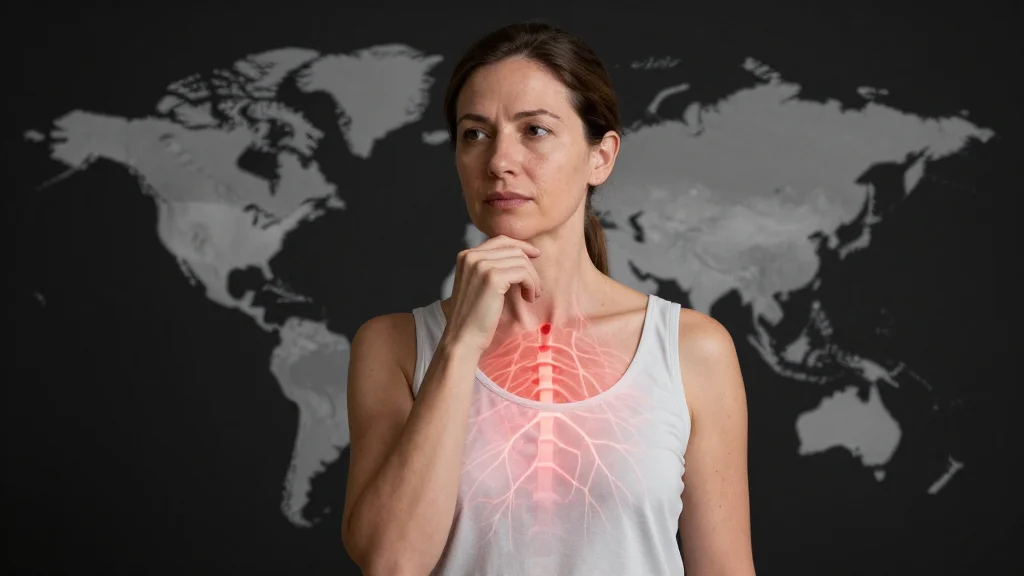
Lancet Study Finds Women Face Greater Pain and Mental‑Health Burden Despite Longer Lives

Why It Matters
The gender disparity revealed by the Lancet study has far‑reaching consequences for public health, economic productivity, and social equity. Women’s longer lifespans have traditionally been viewed as a demographic advantage, yet the added years are increasingly marked by disabling conditions that strain health‑care systems and diminish quality of life. Addressing chronic pain and mental‑health disorders can reduce long‑term care costs, improve workforce participation, and narrow the overall health gap between men and women. Moreover, the findings challenge the prevailing focus of many health‑policy frameworks on reproductive health, urging a more holistic approach that includes non‑fatal, quality‑of‑life‑impacting diseases. As populations age, the proportion of women living with these conditions will rise, making early intervention and gender‑responsive care essential for sustainable health outcomes worldwide.
Key Takeaways
- •Lancet Public Health analysis covered data from 204 countries.
- •Women experience higher burdens of lower‑back pain, depression, anxiety, headaches, musculoskeletal disorders and dementia.
- •Men face higher premature mortality from COVID‑19, heart disease, road injuries and respiratory illnesses.
- •Study highlights systemic focus on reproductive health at the expense of chronic, non‑fatal conditions for women.
- •Calls for gender‑sensitive health policies and expanded chronic‑pain and mental‑health services.
Pulse Analysis
The Lancet study arrives at a moment when global health systems are grappling with the twin challenges of aging populations and rising non‑communicable disease rates. Historically, women's health initiatives have centered on maternal and reproductive issues, a legacy of early 20th‑century public‑health priorities. This narrow lens left a blind spot for chronic, non‑fatal conditions that erode daily functioning. The new data compel a paradigm shift: health‑policy must now treat longevity and quality of life as co‑equal goals.
From a market perspective, the findings open opportunities for a wave of innovation in women's wellness. Pharmaceutical firms, digital therapeutics developers, and wearable‑tech companies can tailor solutions to the specific pain and mental‑health profiles highlighted in the study. Companies that have traditionally marketed musculoskeletal or mental‑health products primarily to men may need to recalibrate their pipelines and marketing strategies to capture a growing female demographic that is both longer‑living and higher‑risk for these conditions.
Looking ahead, the real test will be whether governments and insurers translate these insights into actionable policy. If health budgets are reallocated to fund gender‑responsive chronic‑pain clinics, community‑based mental‑health programs, and preventive screening, the projected economic burden of disability could be mitigated. Conversely, failure to act could exacerbate gender inequities, inflating health‑care costs and undermining productivity gains from longer female life expectancy. The study thus serves as both a warning and a roadmap for stakeholders across the wellness ecosystem.
Lancet Study Finds Women Face Greater Pain and Mental‑Health Burden Despite Longer Lives
Comments
Want to join the conversation?
Loading comments...