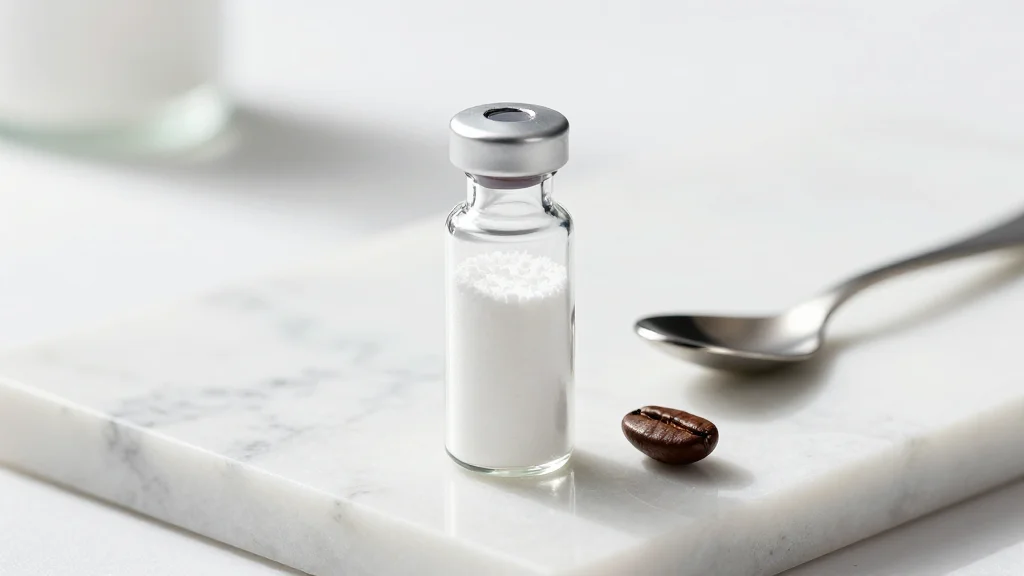
Meet The Newest Alternative To Caffeine — But Does It Work?
Why It Matters
If paraxanthine proves safer in humans, it could reshape the stimulant market and offer an alternative for caffeine‑sensitive consumers; until then, the hype outpaces the evidence, risking consumer mis‑information.
Key Takeaways
- •Paraxanthine is the primary metabolite of caffeine in humans
- •Animal studies suggest a higher safety threshold than caffeine
- •Human toxicity data for paraxanthine remain scarce
- •Caffeine’s health benefits are backed by large epidemiological studies
- •Brands market paraxanthine as “crash‑free” despite limited evidence
Pulse Analysis
The buzz around paraxanthine reflects a broader consumer desire for energy solutions that avoid caffeine’s jittery side effects. Unlike synthetic compounds, paraxanthine is a naturally occurring metabolite produced when the liver processes caffeine, and manufacturers are now extracting it for direct inclusion in focus pouches and energy drinks. This positioning taps into wellness trends that prioritize “clean” ingredients, yet the scientific foundation is thin; most claims rely on a single 2023 rat study that reported a higher LD₅₀ and fewer deaths at high doses. While such preclinical findings are encouraging, they cannot substitute for rigorous human trials that assess metabolism, dosage tolerance, and long‑term effects.
Caffeine’s reputation rests on decades of epidemiological and clinical research linking moderate consumption to reduced risks of heart disease, type 2 diabetes, and neurodegenerative conditions. Its safety profile is well‑characterized, with a generally accepted upper limit of 400 mg per day for healthy adults. In contrast, paraxanthine lacks comparable human data, and its pharmacokinetics may differ despite sharing adenosine‑receptor antagonism. The existing animal data suggest a potentially wider therapeutic window, but without human toxicity studies, regulatory bodies cannot endorse it as a safer alternative. This gap creates a marketing gray area where products can tout “clinically proven” benefits without substantive human evidence.
For investors and product developers, the paraxanthine story is a cautionary tale about hype versus hard data. Companies may capitalize on the novelty factor, but sustainable growth will depend on securing human safety trials and clear regulatory pathways. Meanwhile, consumers seeking reliable performance boosts should weigh established options—balanced caffeine intake, nutrition, and proven nootropics—against unproven stimulants. As the industry watches, paraxanthine remains in a beta phase, and its ultimate market impact will hinge on forthcoming clinical research.
Meet The Newest Alternative To Caffeine — But Does It Work?
Comments
Want to join the conversation?
Loading comments...