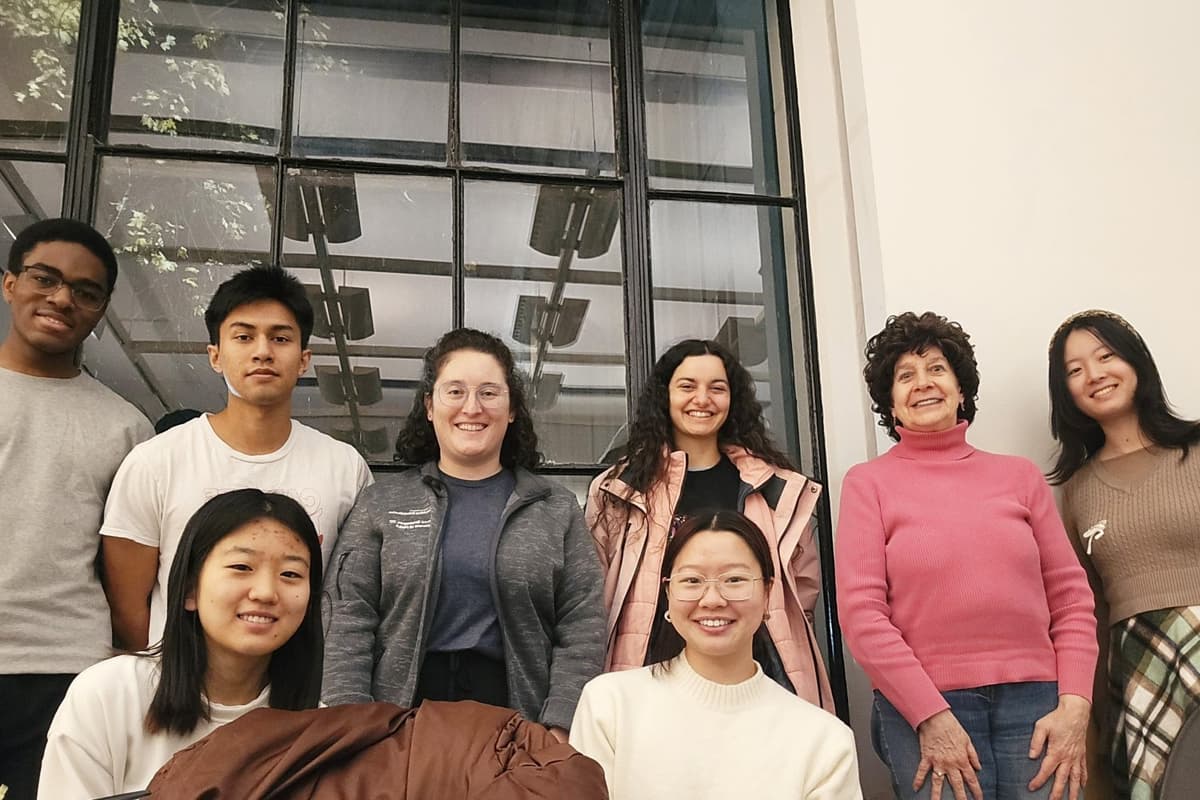
MIT BrainTrust Supports Neighbors Living with Brain Injuries
Why It Matters
The program bridges academic neuroscience with real‑world patient interaction, cultivating future medical leaders while delivering essential social support to a vulnerable population.
Key Takeaways
- •BrainTrust runs a buddy program linking MIT students with brain injury patients
- •Volunteers also visit nursing homes and hospice patients via Compassus partnership
- •Club co‑founded Synapse National to expand student leadership in brain injury support
- •Alumni credit experience for shaping careers in neurology and patient‑centered care
Pulse Analysis
The MIT BrainTrust club illustrates how student‑run service organizations can create measurable community impact while enriching academic curricula. By matching undergraduates with individuals recovering from traumatic brain injury, stroke, dementia, or Alzheimer’s, the club provides consistent companionship that mitigates isolation—a known risk factor for poorer health outcomes. This model also offers students hands‑on exposure to neuro‑rehabilitation practices, complementing classroom learning in biology, cognitive science, and related fields. The partnership with Compassus ensures HIPAA‑compliant hospice placements, extending the club’s reach into end‑of‑life care and reinforcing empathy training for aspiring physicians.
Beyond direct service, BrainTrust’s role as a founding chapter of Synapse National amplifies its influence across the higher‑education landscape. Synapse connects similar student groups nationwide, fostering a collaborative network that shares best practices, resources, and leadership development tools. This scaling effect addresses a systemic gap: limited organized support for brain‑injury survivors in many regions. By cultivating a pipeline of informed student leaders, the initiative helps sustain long‑term advocacy and innovation in brain‑injury care, potentially informing policy and funding priorities at local and federal levels.
For alumni, the experience translates into concrete career advantages. Former members cite the program as a catalyst for pursuing specialties such as neurology, neuro‑oncology, and geriatric medicine, where understanding patient narratives is critical. The mentorship component—where buddies become lifelong contacts—offers unique insights into patient needs that textbooks cannot convey. As healthcare increasingly values holistic, patient‑centered approaches, programs like BrainTrust position its participants at the forefront of this shift, enhancing both their professional credibility and the quality of care they will deliver.
MIT BrainTrust supports neighbors living with brain injuries
Comments
Want to join the conversation?
Loading comments...