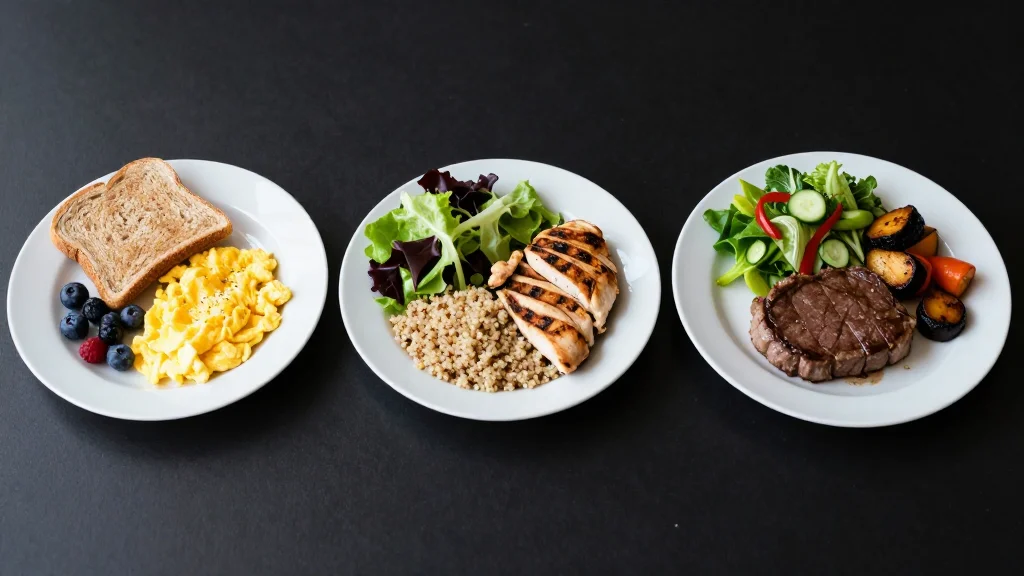
Most People Make This Common Protein Mistake Every Single Day
Why It Matters
Evenly distributing protein across meals can curb cravings and reduce snack calories, offering a practical tool for weight‑loss and metabolic health programs.
Key Takeaways
- •Even protein distribution cuts snack drive scores below 0.5.
- •Women ate 44.3 g vs 62 g snacks; 40% less.
- •30 g protein per meal curbs afternoon cravings.
- •Dinner‑heavy protein leads to higher motivation for high‑calorie snacks.
- •Strategy works for broader weight‑management beyond study participants.
Pulse Analysis
The conventional wisdom in nutrition circles has long emphasized hitting a daily protein target, especially during calorie‑restricted weight‑loss regimens. A recent 16‑week randomized trial published in 2026 challenges that singular focus by comparing two distribution patterns among overweight women aged 20‑44. One cohort received roughly 30 g of protein at breakfast, lunch and dinner, while the other loaded 65 g at dinner and minimal amounts earlier. Over the controlled feeding phase and a subsequent self‑choice period, researchers measured snack‑drive using a validated effort‑based task, revealing a clear advantage for the evenly spaced protocol.
The data show that participants with evenly distributed protein scored 0.44 on the snack‑drive metric, staying below the 0.5 threshold that signals a preference for food over alternative activities. By contrast, the dinner‑heavy group averaged 0.55 and consumed 62 g of energy‑dense snacks versus 44 g in the balanced group—a 40 % reduction. Physiologically, regular protein intake sustains plasma amino acid levels, blunts ghrelin spikes, and supports muscle‑derived satiety signals, thereby dampening the brain’s reward response to high‑calorie foods throughout the day.
For dietitians, weight‑loss programs, and consumer‑focused nutrition platforms, the findings translate into a simple, actionable rule: aim for about 30 g of high‑quality protein at each main meal. Meal‑kit services can redesign menus to front‑load protein, while fitness apps can prompt users to log protein timing, not just total grams. Corporate wellness initiatives may incorporate protein‑timing education to curb afternoon snacking and improve employee health metrics. As the industry shifts toward precision nutrition, timing emerges as a low‑cost lever with measurable impact on appetite control and caloric intake.
Most People Make This Common Protein Mistake Every Single Day
Comments
Want to join the conversation?
Loading comments...