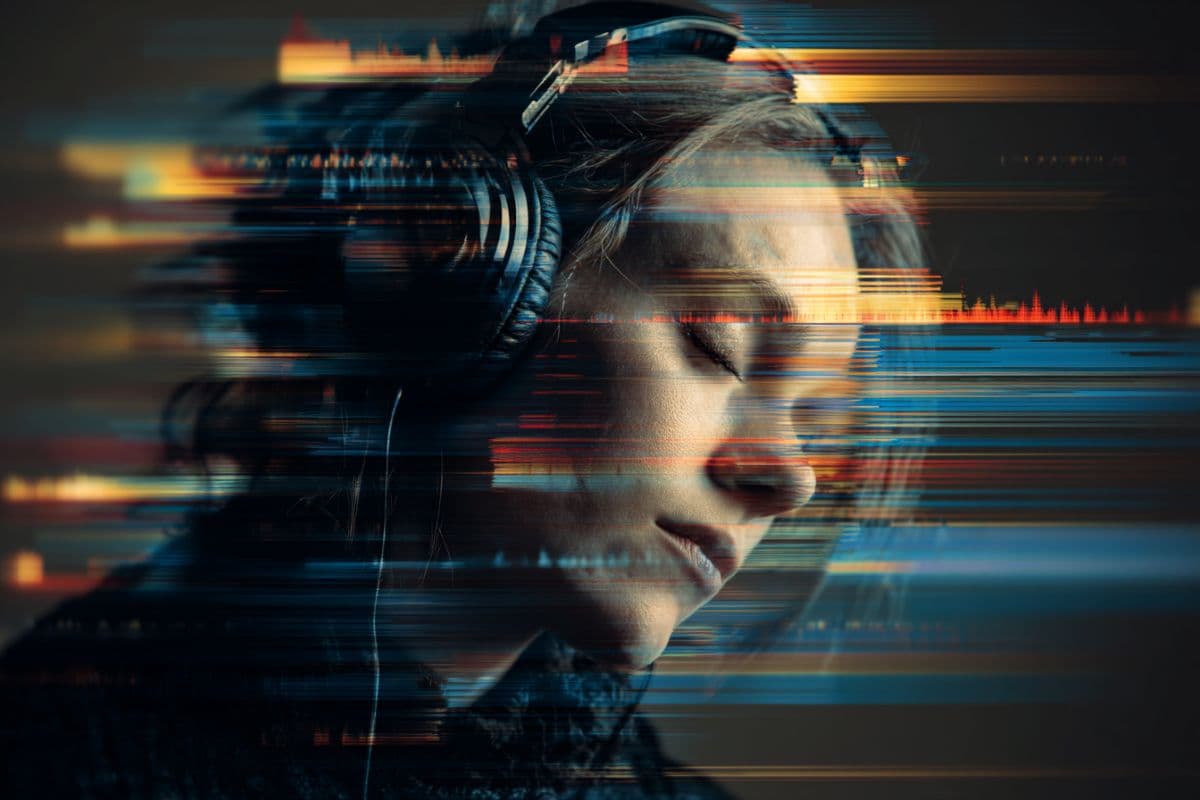
Music Corrects the Brain’s “Glitched” Predictions
Why It Matters
The findings highlight music therapy as a viable, low‑risk complement to medication, potentially reshaping mental‑health treatment models and reducing reliance on drugs with debilitating side effects.
Key Takeaways
- •Weekly group songwriting lowered paranoia in participants with milder hallucinations
- •Pronoun analysis showed increased 'we' usage, indicating enhanced social connectivity
- •Music sessions produced no side effects, unlike typical antipsychotic medications
- •Researchers propose music may permanently rewire predictive coding circuits in the brain
- •Study involved 20 adults with schizophrenia or frequent auditory hallucinations
Pulse Analysis
Predictive coding is the brain's way of anticipating sensory input based on past experience. When this system misfires, as in schizophrenia, patients experience hallucinations and delusional thinking. Music, with its built‑in rhythm and melody, forces the brain to generate and then confirm expectations in real time, essentially exercising the same circuitry that is impaired. This neuro‑cognitive alignment explains why structured group songwriting can act as a form of mental physiotherapy, offering a concrete method to recalibrate faulty predictions without pharmacological interference.
The Yale study enrolled twenty adults diagnosed with schizophrenia or recurrent auditory hallucinations and engaged them in two‑hour weekly songwriting sessions over six weeks. Quantitative measures showed a measurable drop in paranoia among participants with less severe symptoms, while linguistic analysis captured a pronounced increase in plural pronouns such as "we" and "us," signaling reduced social isolation. Crucially, the intervention reported zero adverse effects, a stark contrast to antipsychotics that often cause sedation, cognitive dulling, and metabolic issues. These outcomes suggest that music therapy can complement—or in some cases, partially substitute—traditional medication, delivering emotional expression and community bonding that drugs cannot provide.
Looking ahead, the research team plans neuroimaging studies to verify whether repeated musical engagement induces lasting synaptic changes in predictive‑coding pathways. If confirmed, the approach could spark a broader shift in mental‑health care, encouraging insurers and providers to integrate certified music‑facilitated programs into standard treatment plans. For clinicians, the study offers a data‑driven rationale to prescribe creative, low‑risk interventions, while for investors, it signals emerging market opportunities in therapeutic music platforms and digital tools designed to scale such evidence‑based programs.
Music Corrects the Brain’s “Glitched” Predictions
Comments
Want to join the conversation?
Loading comments...