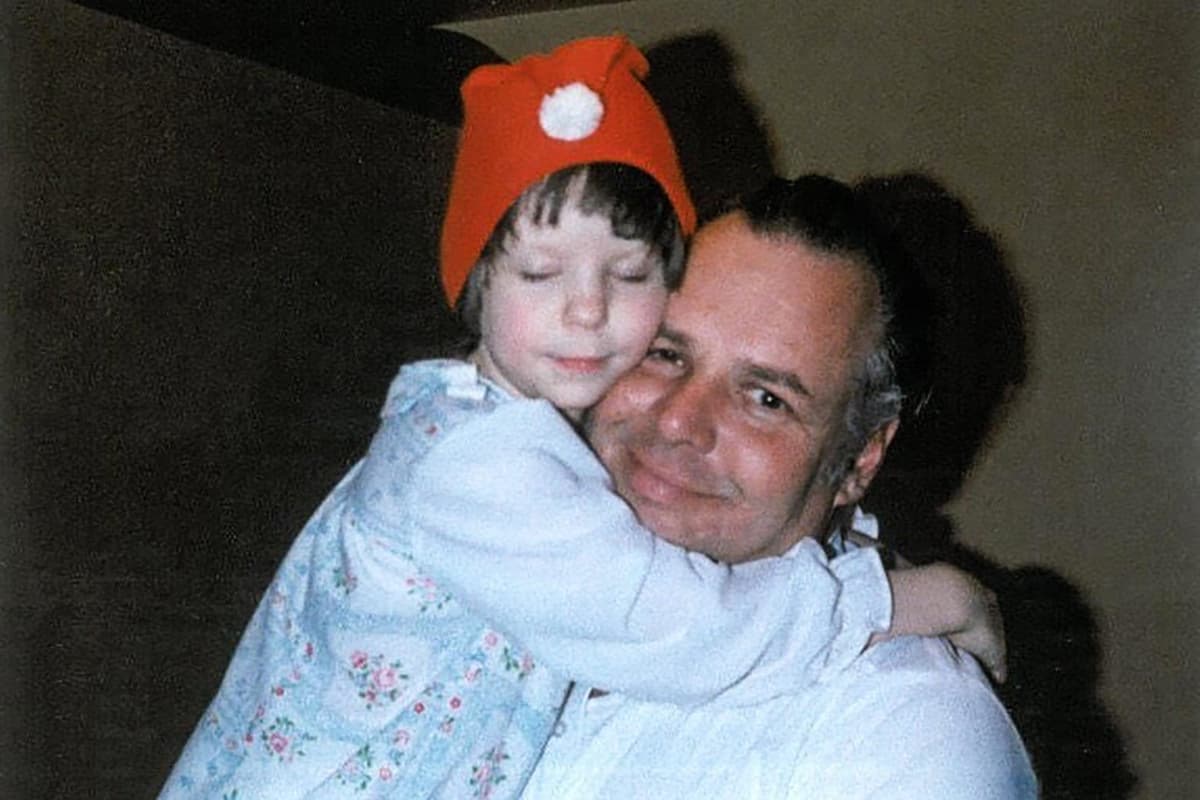
My Dad Was Murdered. When People Find Out, They All Ask the Same Question. They Don’t Like My Answer.
Why It Matters
The memoir illustrates the growing market for trauma‑driven true‑crime books that blend investigative journalism with personal catharsis, offering publishers a model for emotionally resonant storytelling. It also underscores the psychological importance of channeling chronic anger into creative work, a lesson relevant to mental‑health professionals and content creators alike.
Key Takeaways
- •Eddy Crane vanished in 1987; Kate Crane spent 18 years investigating
- •The memoir, *What Ever Happened to Eddy Crane?*, released 2025
- •Author channels chronic anger into writing, describing rage as volcanic magma
- •Psychologists note unresolved rage often manifests as depression in trauma survivors
- •True‑crime memoirs attract readers seeking justice and personal catharsis
Pulse Analysis
The true‑crime genre has evolved beyond sensational headlines, becoming a conduit for deep personal narratives that resonate with readers seeking both facts and emotional truth. Kate Crane’s memoir exemplifies this shift: she transforms a cold‑case disappearance into a decade‑long investigative journey, leveraging her background in copy‑editing to craft a compelling, journalistic account. By framing her chronic anger as a "volcanic magma" that fuels the narrative, she taps into a readership hungry for stories where personal stakes intersect with unresolved mysteries, a formula that publishers are increasingly courting.
From a mental‑health perspective, Crane’s experience underscores how unprocessed rage often masquerades as depression, a pattern clinicians frequently observe in trauma survivors. The memoir’s candid discussion of this psychological transition offers valuable insight for therapists and support groups, illustrating that creative outlets—especially writing—can serve as a safe channel for the intense energy that otherwise might erode well‑being. As public awareness of trauma‑informed care grows, works like Crane’s provide real‑world case studies that bridge clinical theory and lived experience.
Commercially, the book’s release aligns with a surge in memoirs that blend investigative reporting with personal healing, a niche that streaming platforms and audiobook services are eager to adapt. The narrative’s blend of factual cold‑case details, emotional vulnerability, and literary craftsmanship makes it a strong candidate for cross‑media adaptation, potentially expanding its reach beyond print. For publishers, this underscores the value of investing in authors who can turn personal tragedy into universally relatable stories, driving both sales and meaningful cultural conversations.
My Dad Was Murdered. When People Find Out, They All Ask the Same Question. They Don’t Like My Answer.
Comments
Want to join the conversation?
Loading comments...