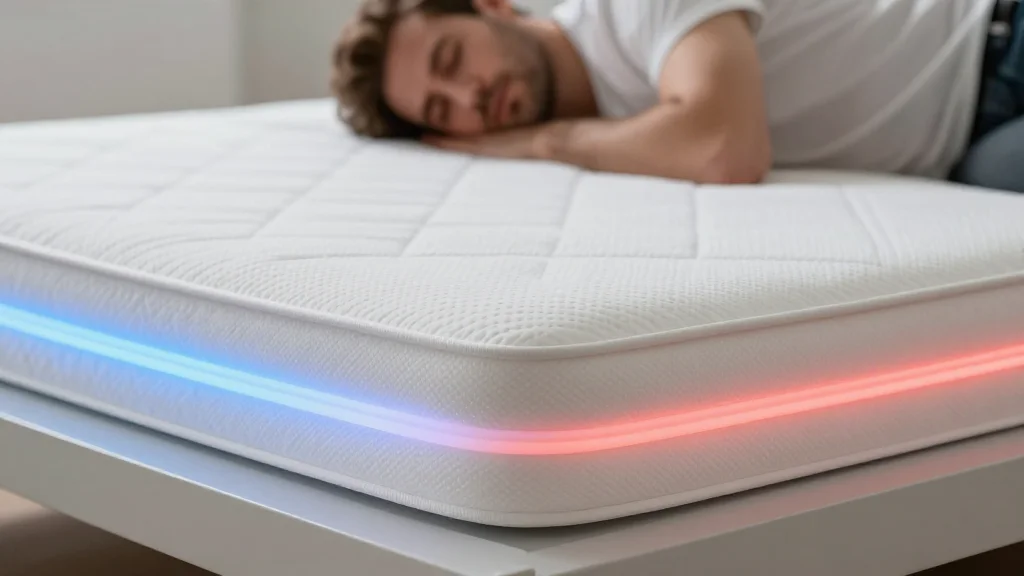
My Two Sleepless Months With the Eight Sleep Pod
Why It Matters
The review highlights limits of high‑priced sleep tech, signaling that data‑driven mattresses may not deliver promised health benefits for average consumers, which could temper market growth.
Key Takeaways
- •Eight Sleep Pod costs $3,500, plus $2,000 for snore‑elevating add‑on
- •AI autopilot adjusts temperature per side, but author saw no sleep improvement
- •Sensors sometimes logged “away” nights, indicating reliability issues
- •Luxury sleep market valued at $585 billion, yet consumer results remain mixed
Pulse Analysis
The sleep economy, now estimated at roughly $585 billion, has turned rest into a data‑rich commodity. From wearable trackers to smart pillows, consumers are willing to spend heavily on gadgets that promise deeper, more efficient sleep. Eight Sleep’s flagship product, the Pod, embodies this trend by combining climate control, AI‑driven adjustments, and biometric scoring in a single mattress topper, positioning itself as the "Rolls‑Royce" of bedroom tech for high‑net‑worth individuals.
In practice, however, the Pod’s sophisticated hardware can clash with the messy reality of human sleep. Reviewers, including Wang, report sensor glitches that falsely label nights as “away,” and temperature tweaks that fail to translate into better REM or overall restfulness. Such reliability gaps undermine the core value proposition of a $3,500 device, especially when the promised health benefits are difficult to quantify. The experience underscores a broader challenge for wearables and smart bedding: delivering consistent, clinically meaningful outcomes beyond novelty metrics.
Looking ahead, the industry may need to shift from luxury‑focused features toward evidence‑based sleep science and interoperable data platforms. Consumers are becoming more skeptical, demanding transparent validation studies and clearer ROI on sleep investments. Companies that can integrate reliable sensor data with personalized coaching, while keeping costs accessible, are likely to capture the next wave of growth. Until then, high‑priced sleep tech will remain a niche market, appealing mainly to status‑driven early adopters rather than the mass consumer.
My Two Sleepless Months With the Eight Sleep Pod
Comments
Want to join the conversation?
Loading comments...