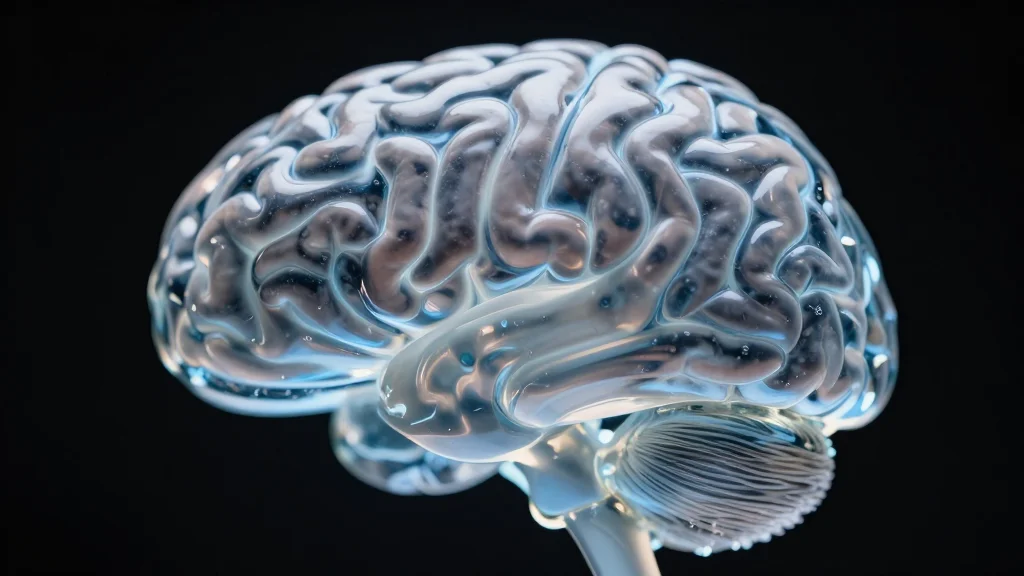
New Predictive Trauma Model Challenges 'The Body Keeps the Score' Narrative

Why It Matters
The new model reframes trauma from a bodily storage problem to a brain‑based prediction error, which could transform how therapists, coaches, and wellness brands design interventions. By shifting the target from hidden tissue deposits to cognitive flexibility, the approach promises more scalable, evidence‑based techniques that align with neuroplasticity research. It also raises ethical questions about identity framing, as the authors argue that the storage metaphor may entrench victimhood, whereas a prediction‑focused view could empower individuals to actively reshape their threat expectations. If validated, this paradigm could redirect funding toward neurocomputational tools, expand the market for flow‑state training, and influence insurance reimbursement policies for trauma‑related care. Conversely, entrenched somatic practitioners may resist the shift, leading to a polarized debate that could shape the next generation of wellness curricula.
Key Takeaways
- •Scientists propose trauma is a rigid threat‑prediction pattern in the brain, not somatic storage.
- •Paper authored by Steven Kotler, Michael Mannino, Glenn Fox and Karl Friston published in Frontiers (2026).
- •Michael Mannino quotes: “Two things motivated the pushback…”, “If trauma were literally stored… flow training could have broad effects.”
- •Model suggests flow‑state training could rewire trauma responses by enhancing cognitive flexibility.
- •Authors call for longitudinal studies; findings to be presented at the Society for Neuroscience meeting.
Pulse Analysis
The predictive trauma model arrives at a moment when the wellness industry is increasingly data‑driven and eager for scalable interventions. Historically, the somatic narrative championed by van der Kolk resonated because it offered a tangible, body‑focused explanation for abstract psychological pain, fueling a boom in massage, yoga, and breathwork modalities. However, the rise of neuroimaging and computational psychiatry has exposed gaps in that metaphor, creating fertile ground for a brain‑centric reinterpretation.
From a market perspective, the shift could accelerate investment in neurofeedback platforms, AI‑driven threat‑prediction analytics, and certified flow‑training programs. Companies that have built curricula around flow—such as the Flow Research Collective—stand to gain credibility and new revenue streams if the model proves effective. At the same time, traditional somatic practitioners may double down on tactile therapies, framing them as complementary rather than competing, which could fragment the therapeutic ecosystem.
Looking ahead, the decisive factor will be empirical validation. If randomized controlled trials demonstrate that flow training reduces neurobiological markers of threat rigidity as robustly as exposure‑based somatic therapies, insurers may begin to reimburse for prediction‑focused programs, reshaping reimbursement landscapes. Conversely, failure to produce clear outcomes could re‑entrench the somatic paradigm. Either way, the debate ignites a broader conversation about how we conceptualize trauma, identity, and agency—questions that will reverberate through clinical practice, wellness product development, and public discourse for years to come.
New Predictive Trauma Model Challenges 'The Body Keeps the Score' Narrative
Comments
Want to join the conversation?
Loading comments...