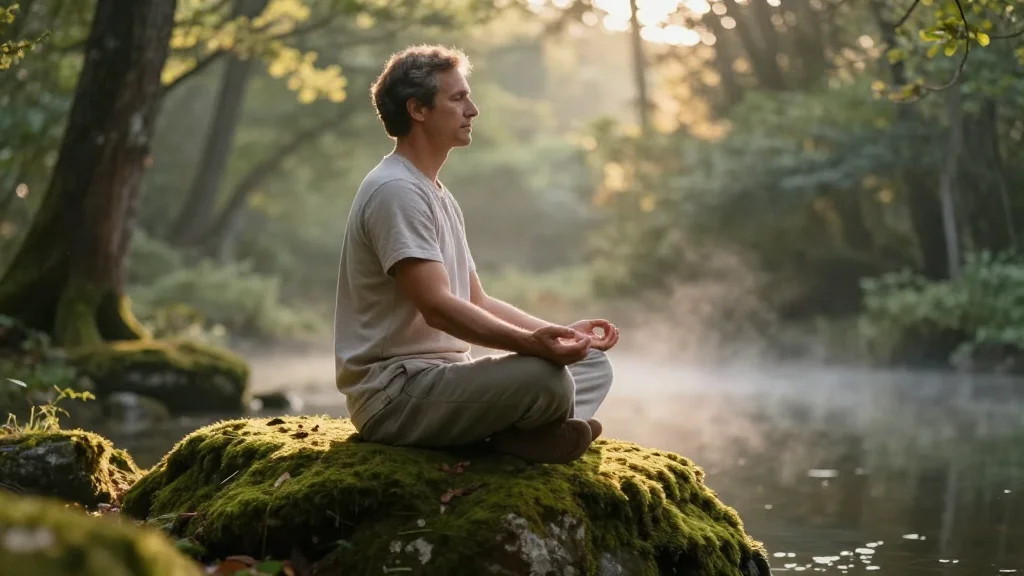
New Review Finds Nature‑Based Mindfulness Boosts Mental Health

Why It Matters
The review signals a shift toward evidence‑based, environmentally integrated mental‑health strategies, aligning with growing consumer demand for holistic wellness solutions. By linking nature exposure to mindfulness outcomes, the paper provides a scientific foundation for policymakers and employers seeking low‑cost, scalable interventions that can address rising rates of anxiety and depression. If subsequent research confirms the review’s preliminary conclusions, wellness providers could diversify their portfolios, insurers might lower premiums for participants in nature‑based programs, and urban planners could prioritize green spaces as public‑health infrastructure. The convergence of mental‑health science and environmental design could therefore reshape how societies approach preventive care.
Key Takeaways
- •Narrative review published 24 April 2026 in IJERPH
- •Authors: Costanza Vecchio, C. Copat, P. Rapisarda, G. Oliveri Conti, M. Ferrante
- •Focus: effectiveness of nature‑based mindfulness interventions for mental health
- •Appears in special issue on vulnerability and resilience
- •Calls for larger, long‑term studies to validate early findings
Pulse Analysis
The emergence of nature‑based mindfulness as a research focus reflects a broader cultural pivot toward integrating environmental well‑being with personal health. Historically, mindfulness programs have been confined to indoor settings—often corporate conference rooms or clinical offices—where the sensory backdrop is controlled. By moving the practice outdoors, practitioners tap into biophilic responses that can lower cortisol levels and improve affective states, a hypothesis now gaining empirical traction.
From a market perspective, this shift opens new revenue streams for wellness firms that can bundle outdoor experiences with digital coaching platforms. Companies that already own or manage green spaces—universities, tech campuses, and resort chains—are uniquely positioned to pilot such programs at scale. Conversely, firms that lack access to natural environments may partner with municipal parks departments or invest in creating therapeutic gardens, turning a public‑good into a competitive differentiator.
Looking ahead, the key challenge will be translating heterogeneous study results into standardized protocols that insurers and employers can adopt with confidence. If future randomized trials demonstrate consistent, cost‑effective outcomes, we could see policy incentives—such as tax credits for green‑space development—mirroring those already in place for traditional preventive health measures. In that scenario, nature‑based mindfulness would move from a niche academic curiosity to a mainstream component of the wellness ecosystem.
New Review Finds Nature‑Based Mindfulness Boosts Mental Health
Comments
Want to join the conversation?
Loading comments...