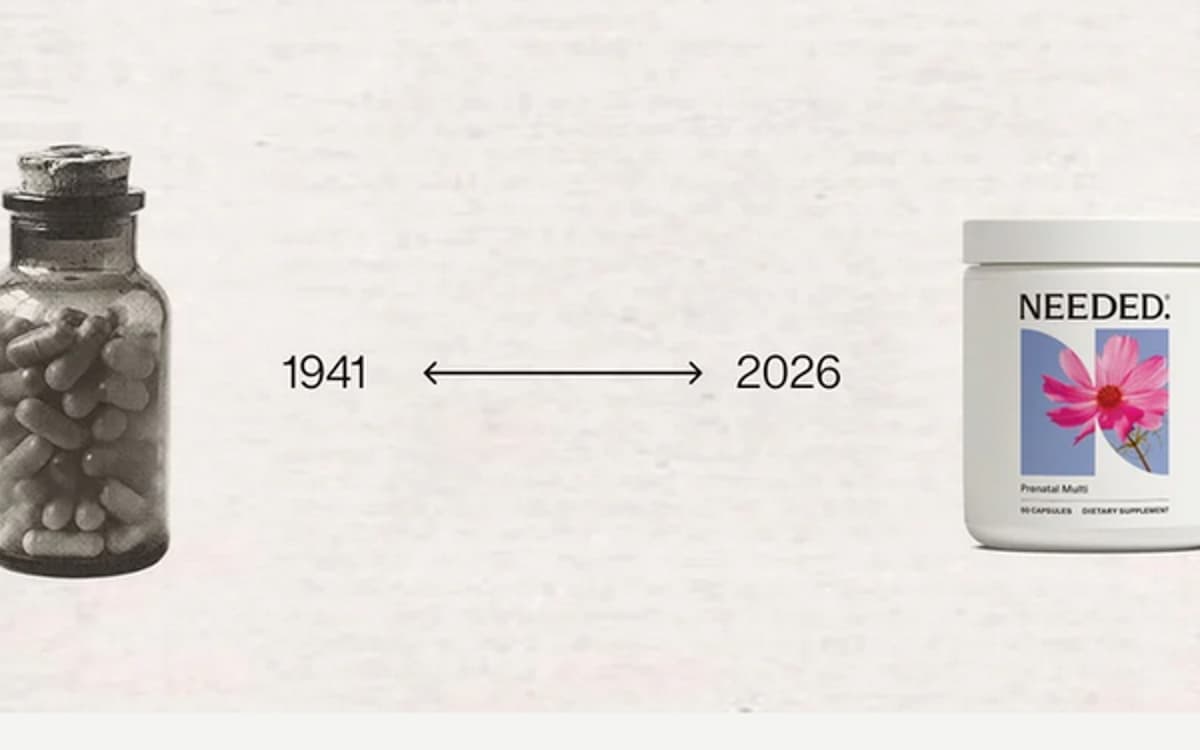
'NYT' Ad Seeks Higher Prenatal Nutrition Standards
Companies Mentioned
Why It Matters
Updating prenatal nutrition standards could improve maternal health outcomes and open new market opportunities for evidence‑based supplements, while reducing the public‑health costs of nutrient deficiencies.
Key Takeaways
- •Needed's NYT ad calls for updated prenatal nutrition standards
- •Current U.S. standards date to 1941 and lack pregnancy data
- •95% of pregnant women remain deficient in at least one key nutrient
- •Petition aims for 20,000 signatures; half reached within days
- •Needed to sponsor Chamber of Mothers’ Power Breakfast at Library of Congress
Pulse Analysis
The United States’ prenatal nutrition guidelines have not been substantially revised since 1941, when they were derived from a study that included only 5% pregnant participants. Modern research shows that pregnant and lactating women have distinct micronutrient needs, yet the legacy standards still dictate the composition of most prenatal vitamins. This disconnect contributes to the striking statistic that 95% of expectant mothers are nutritionally depleted in at least one critical nutrient, a gap that can affect fetal development and maternal health.
Recognizing this evidence gap, Needed—a nine‑year‑old women’s health supplement brand—has turned to high‑visibility advocacy. By purchasing a full‑page ad in the New York Times, the co‑founders amplified a petition calling for updated standards, targeting 20,000 signatures and already surpassing the halfway mark within days. The campaign integrates influencer partnerships, a Los Angeles event with Netflix creator Erin Foster, and a forthcoming sponsorship of the Chamber of Mothers’ Power Breakfast at the Library of Congress, aiming to pressure Congress, HHS, NIH and USDA.
If successful, the push could reshape the supplement market and clinical practice. Revised standards would compel manufacturers to reformulate products based on pregnancy‑specific data, potentially driving innovation and higher‑priced, evidence‑backed prenatal formulas. For healthcare providers, clearer guidelines would simplify recommendations, improving patient compliance. Moreover, policymakers could address broader public‑health concerns by reducing nutrient‑deficiency‑related complications, ultimately lowering healthcare costs associated with maternal and infant outcomes.
'NYT' Ad Seeks Higher Prenatal Nutrition Standards
Comments
Want to join the conversation?
Loading comments...