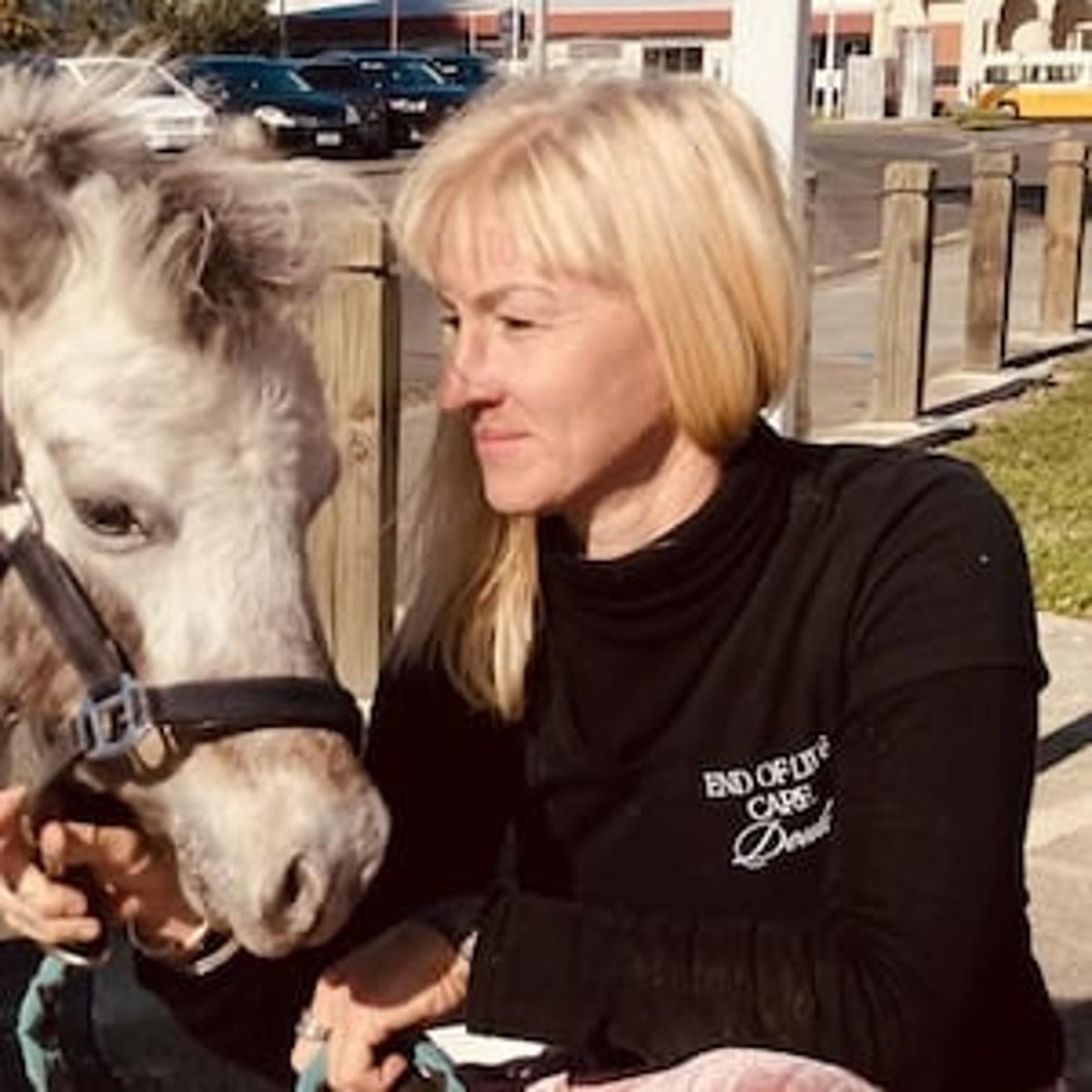
On The Up: Moxy the Wellbeing Pony Brings Joy to Children at Hawke’s Bay Hospital
Why It Matters
Integrating a wellbeing pony into pediatric care demonstrates a low‑cost, high‑impact method to improve patient morale and potentially accelerate recovery. The model could inspire hospitals nationwide to adopt similar animal‑assisted programs, reshaping patient‑experience strategies.
Key Takeaways
- •Moxy the pony visited Hawke’s Bay pediatric ward, uplifting patients.
- •End‑of‑life doula Alyssa Jayne integrates animal therapy into palliative care.
- •Children reported improved mood and mobility after brief pony interaction.
- •Jayne plans to expand pony visits to other hospitals and support groups.
Pulse Analysis
Animal‑assisted therapy is gaining traction as a complementary approach in hospitals, and the recent visit of Moxy the wellbeing pony to Hawke’s Bay Hospital underscores its practical benefits. Studies have shown that brief interactions with calm animals can lower cortisol levels, reduce perceived pain, and stimulate emotional release, especially in pediatric patients who often face prolonged isolation. By bringing a miniature pony into the ward, doula Alysha Jayne leveraged these physiological responses, creating moments of joy that translated into observable improvements such as children sitting up and increased willingness to engage with caregivers.
The success of this initiative aligns with a broader shift toward holistic patient‑experience models. Healthcare systems are increasingly measuring outcomes beyond traditional clinical metrics, incorporating satisfaction scores, mental‑health indicators, and family feedback. Programs like Grief to Peace illustrate how low‑cost interventions—often under $5,000 for training, transport, and insurance—can deliver outsized returns in patient morale and potentially shorten stays. As insurers and providers seek value‑based care solutions, animal‑assisted visits may become reimbursable services, prompting a new niche market for certified therapy animals and specialized logistics firms.
Looking ahead, the scalability of pony‑based programs depends on regulatory clarity, staff training, and partnerships with animal‑welfare organizations. Jayne’s plan to extend visits to other hospitals suggests a replicable framework that could be standardized across New Zealand and, eventually, the United States. For administrators, the key takeaway is that integrating certified therapy animals can differentiate a facility’s brand, attract families, and contribute to measurable improvements in patient outcomes—making it a compelling addition to modern health‑care portfolios.
On The Up: Moxy the wellbeing pony brings joy to children at Hawke’s Bay Hospital
Comments
Want to join the conversation?
Loading comments...