Opting Out of Headstand? These 5 Poses Help Mimic Its Effects.
Why It Matters
Providing safer, progressive alternatives helps yoga studios reduce injury risk while still delivering the upside‑down benefits that attract students. This supports class retention and protects instructors from liability.
Key Takeaways
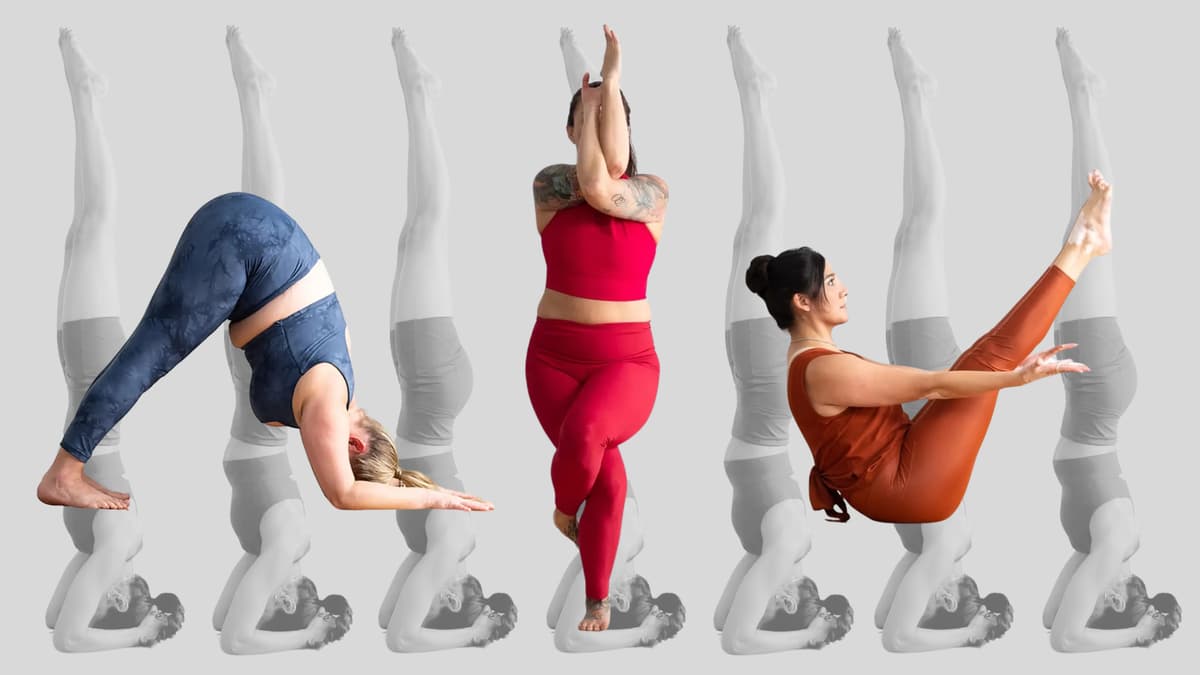
- •Forearm Plank builds core and shoulder strength for inversion prep
- •Dolphin Pose mirrors headstand arm position while reducing balance risk
- •Eagle Pose enhances focus and mental calm before attempting inversions
- •Boat Pose strengthens core and spine alignment essential for safe headstands
- •Legs Up the Wall offers restorative inversion benefits without upside‑down strain
Pulse Analysis
Headstands remain a hallmark of advanced yoga, yet their popularity masks a growing liability concern for studios. Misaligned shoulders, weak core muscles, or rushed instruction can lead to cervical and lumbar injuries, prompting many teachers to skip the pose altogether. As yoga participation climbs—projected to exceed 55 million U.S. practitioners by 2027—studios are under pressure to balance aspirational branding with pragmatic safety protocols. Offering structured progressions that mimic inversion benefits without the full upside‑down risk satisfies both market demand and risk management.
The five recommended alternatives each target a specific physiological or psychological component of the headstand. Forearm plank and dolphin pose develop the shoulder girdle and core stability needed to support an inverted spine. Eagle pose introduces balance and concentration, training the mind to stay calm under pressure—a key factor in overcoming inversion anxiety. Boat pose reinforces abdominal engagement and spinal elongation, while legs‑up‑the‑wall delivers the venous return and parasympathetic activation associated with head‑down postures, all without loading the cervical column. Together, they form a comprehensive preparatory sequence that can be taught in any class size.
For studio owners and instructors, integrating these poses into regular curricula offers a competitive edge. Classes marketed as "inversion‑ready" attract ambitious students, while the built‑in safety net reduces the likelihood of insurance claims. Moreover, the approach aligns with the broader wellness trend toward evidence‑based, low‑impact training. By framing the progression as a deliberate pathway rather than a shortcut, studios can enhance client confidence, improve retention, and position themselves as leaders in responsible yoga instruction.
Opting Out of Headstand? These 5 Poses Help Mimic Its Effects.
Comments
Want to join the conversation?
Loading comments...