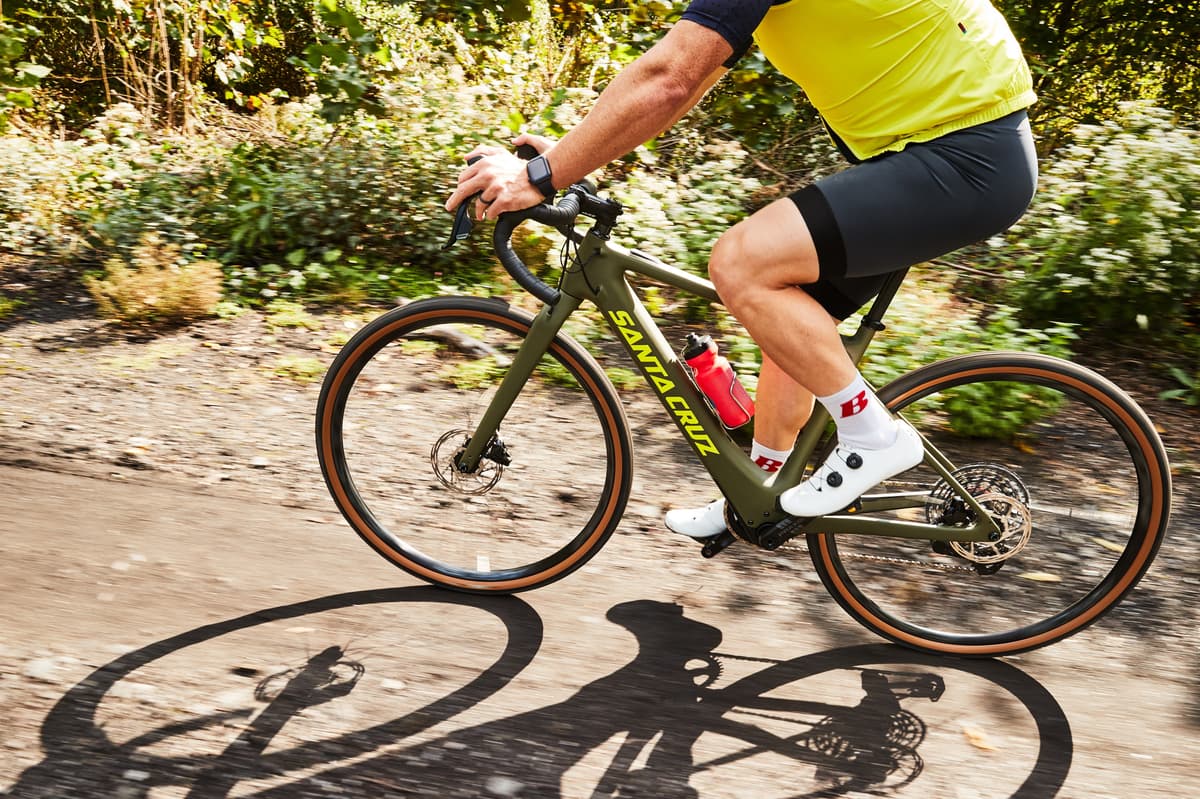
Over 50? Here’s How to Decide If an E-Bike Is Right for You
Companies Mentioned
Why It Matters
E‑bikes can help older cyclists maintain fitness, participation, and joint health, but misuse may erode training quality, impacting long‑term performance and health outcomes.
Key Takeaways
- •Recovery time drives many over‑50 cyclists to consider e‑bikes.
- •Consistency, not intensity, is the biggest performance hurdle after 50.
- •Pedal assist can reduce joint load, easing chronic knee or back pain.
- •Strategic use preserves fitness; overuse risks under‑training and performance loss.
- •E‑bikes extend social riding participation, keeping older cyclists in clubs.
Pulse Analysis
The surge in e‑bike sales has reshaped the cycling market, offering a compelling option for riders who face age‑related recovery constraints. While a typical road bike still demands high power output, modern pedal‑assist systems deliver smooth torque that can halve the muscular strain on climbs, allowing cyclists over 50 to log longer distances without exacerbating knee or lower‑back issues. This mechanical advantage translates into more consistent weekly mileage, a key predictor of aerobic maintenance as VO₂ max naturally declines after the fourth decade.
From a training perspective, the e‑bike should be treated as a tool rather than a crutch. Coaches recommend reserving assist for recovery rides, steep ascents, or when the goal is to stay with a group, while preserving high‑intensity intervals on a conventional bike to sustain muscular recruitment and cardiovascular stress. Data‑driven cyclists can monitor heart‑rate zones or power output to ensure the motor isn’t masking effort, thereby protecting against the subtle under‑training that can erode performance over time. This balanced approach aligns with the broader principle that consistency, not sheer intensity, drives long‑term adaptation for mature athletes.
Beyond physiology, e‑bikes carry a social dividend that can prolong a rider’s engagement in club events and group rides. The psychological boost of staying with peers on challenging terrain combats the isolation that often prompts older cyclists to quit. Industry analysts note that manufacturers are responding with lighter frames and discreet designs, making e‑bikes more acceptable to traditional cyclists. When integrated thoughtfully, the technology supports both health and community, reinforcing the notion that aging cyclists can adapt intelligently rather than abandon the sport.
Over 50? Here’s How to Decide If an e-bike Is Right for You
Comments
Want to join the conversation?
Loading comments...