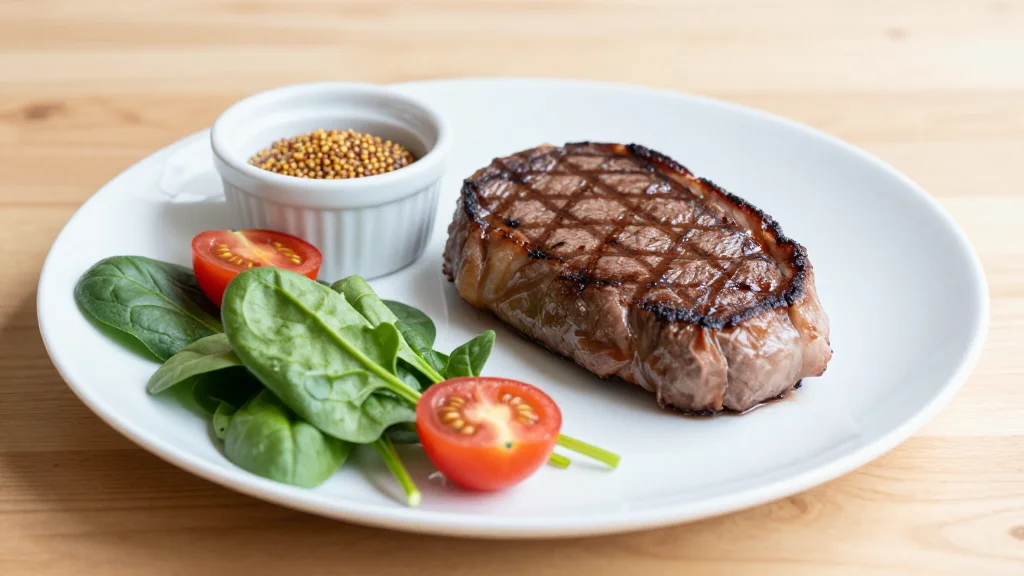
Perspective: Use of Beef in a Dietary Intervention as an Effective Strategy for Improving Cognition in Young Adult Females
Why It Matters
Addressing iron deficiency with nutrient‑dense whole foods like beef could close the cognitive performance gap in women of reproductive age while reducing reliance on supplements that carry side‑effects.
Key Takeaways
- •Iron deficiency affects ~34% of US women of reproductive age.
- •Beef provides 100% B12, 66% zinc, 16% choline per 3‑oz serving.
- •30‑day beef pilot improved visuospatial scores versus soy control.
- •Improvements occurred without blood iron changes, implying other nutrients.
- •Balancing red‑meat benefits with health and sustainability is essential.
Pulse Analysis
Iron deficiency remains a silent epidemic, affecting roughly one‑third of American women of reproductive age and contributing to measurable deficits in attention, memory, and spatial reasoning. While supplementation can raise ferritin levels, it often triggers gastrointestinal distress and adherence challenges. Beef offers a uniquely bioavailable source of heme iron, complemented by vitamin B12, zinc, choline, and creatine—nutrients that collectively support neurotransmitter synthesis, myelination, and cellular energy metabolism. By delivering these micronutrients in a single food matrix, beef may address multiple biochemical pathways that underlie cognitive performance, offering a pragmatic alternative to isolated supplements.
Recent experimental work adds weight to this hypothesis. In a controlled 30‑day trial, young adult females who incorporated a daily 3‑ounce cooked beef patty into their diets achieved statistically significant gains on the Neurotracker™ visuospatial platform compared with peers consuming a macronutrient‑matched soy patty. The beef group’s average score rose by 0.45 points, while the soy group improved by only 0.21 points, despite no detectable rise in serum ferritin among a subset of participants. These findings suggest that nutrients beyond iron—such as creatine, which fuels rapid ATP turnover in the brain, and vitamin B12, essential for myelin integrity—may drive the observed cognitive boost, highlighting the synergistic advantage of whole‑food interventions.
Nevertheless, scaling beef‑centric recommendations faces hurdles. Epidemiological links between red‑meat consumption and cardiovascular disease often hinge on processed cuts and excess saturated fat, though lean, unprocessed beef shows a weaker association. Environmental concerns about greenhouse‑gas emissions further complicate public health messaging. To reconcile nutritional benefits with health and sustainability goals, policymakers and dietitians should promote modest, lean beef portions paired with vitamin C‑rich foods to enhance iron absorption, while encouraging diversified protein sources. Future research must extend intervention periods beyond the typical 4‑week window, employ uniform cognitive batteries, and compare beef against alternative animal and fortified plant proteins to delineate its unique contribution to cognitive health.
Perspective: use of beef in a dietary intervention as an effective strategy for improving cognition in young adult females
Comments
Want to join the conversation?
Loading comments...