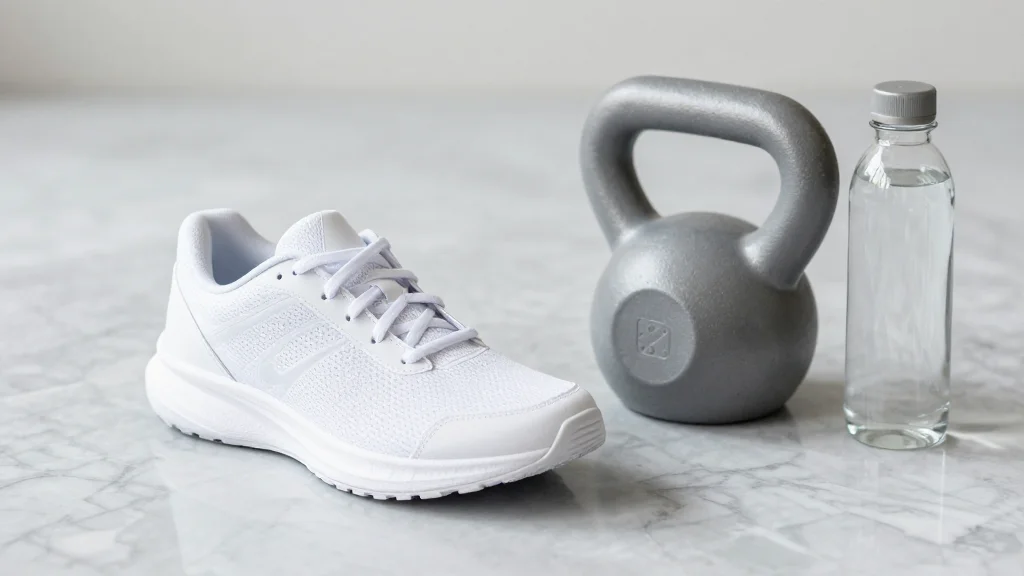
Physical Activity and Exercise 'Snacks: A Small Step Towards Big Gains in Severe Mental Illness
Companies Mentioned

Why It Matters
Exercise snacks offer a feasible, high‑adherence method to improve cardiometabolic health in severe mental illness, potentially reducing premature mortality and healthcare costs.
Key Takeaways
- •Exercise snacks are ≤5‑minute bouts performed multiple times daily
- •Meta‑analyses show they boost VO₂ max and lower LDL cholesterol
- •Adherence rates for exercise snacks exceed traditional exercise programs
- •SMI patients are twice as sedentary and die 15‑20 years earlier
- •Introducing exercise snacks could close fitness gaps without major resource investment
Pulse Analysis
People living with severe mental illness face a stark health disparity: they spend up to 12 hours a day sedentary and die 15‑20 years earlier than the general population, largely due to preventable cardiometabolic disease. Traditional exercise prescriptions often fail in this group because of medication‑induced weight gain, motivational barriers, and limited access to structured programs. "Exercise snacks"—short, structured bouts of activity lasting five minutes or less—present a low‑threshold alternative that can be woven into daily routines without demanding extensive time or equipment.
Recent meta‑analyses of exercise‑snack interventions in the general population reveal robust physiological gains: significant increases in maximal oxygen uptake, peak power output, and reductions in total and LDL cholesterol. Perhaps most compelling is the consistently high adherence, often exceeding 80%, which dwarfs the dropout rates seen in conventional exercise trials. While the evidence quality ranges from moderate to low and no studies have yet targeted SMI cohorts, the underlying mechanisms—improved cardiovascular fitness and lipid profiles—directly address the primary drivers of early mortality in this population.
Translating these findings to mental health care could reshape treatment paradigms. Clinicians might prescribe a series of five‑minute body‑weight circuits during therapy sessions, community centers, or even via mobile apps that cue patients throughout the day. Such micro‑interventions require minimal staffing, lower facility costs, and can be personalized to accommodate medication side effects or fluctuating mood states. Rigorous trials are needed to quantify outcomes in SMI, but the convergence of high adherence, modest resource demands, and clear cardiometabolic benefits positions exercise snacks as a strategic lever for reducing health inequities and easing the economic burden on health systems.
Physical activity and exercise 'snacks: a small step towards big gains in severe mental illness
Comments
Want to join the conversation?
Loading comments...