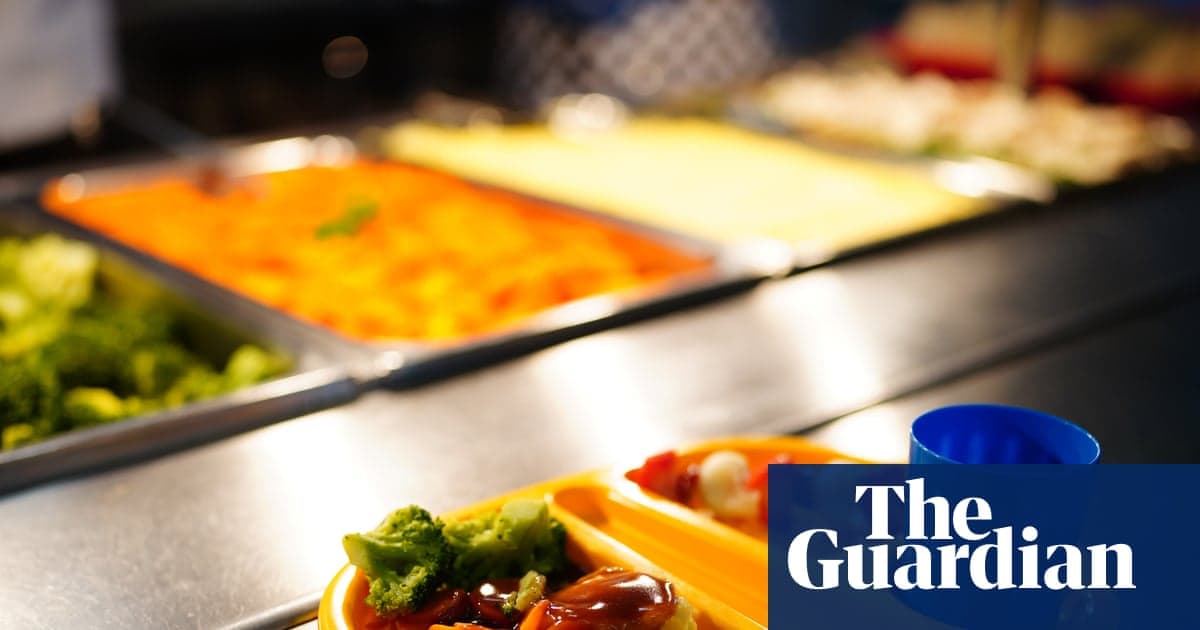
Plan for Healthier School Meals in England Will Hit Services, Say Caterers
Companies Mentioned
Why It Matters
The proposal could reshape the UK school‑food market, threatening the viability of major catering firms while aiming to improve children’s nutrition, highlighting a tension between public health goals and funding realities.
Key Takeaways
- •New standards require 50% fruit in puddings, ban deep‑fried items.
- •Average school lunch cost £3.16 ($4.00), government spends $1.9bn annually.
- •Caterers report 50‑70% food‑price inflation, margins under 5%.
- •Potential rise in off‑site junk‑food purchases could cut provider revenue.
- •Consultation ends 12 June; rules aim for rollout by Sep 2027.
Pulse Analysis
The latest school‑meal reforms in England reflect a growing governmental push to curb childhood obesity, which now affects nearly a quarter of primary‑age pupils. By prioritising fibre‑rich foods like lentils and mandating fruit‑filled puddings, the Department for Education hopes to embed healthier habits early. However, the policy arrives at a time when the sector is already under strain from post‑pandemic supply‑chain disruptions and a sharp rise in ingredient costs, especially for imported legumes.
For large providers such as Compass Group, Sodexo and Bidfood, the new rules translate into tighter margins on an already low‑profit business. Reported food‑price inflation of 50‑70% over three years, combined with rising wage bills driven by the UK and London living‑wage mandates, leaves little room to absorb additional costs without raising prices. The average school lunch, currently £3.16 (about $4.00), is heavily subsidised by the government’s $1.9 bn annual free‑meal budget, but any increase in the baseline cost could pressure local authorities and families, potentially prompting a shift toward packed or off‑site meals.
The market response will likely hinge on the balance between compliance costs and consumer demand. Caterers may innovate with cost‑effective plant‑based proteins and streamlined menus, while schools could leverage phased implementation to test new dishes. Yet, if pupils perceive the healthier options as less appealing, the risk of increased junk‑food purchases could erode revenue streams and undermine public‑health objectives. Ultimately, the success of the reforms will depend on adequate funding, clear guidance, and collaborative efforts across government, providers and parents.
Plan for healthier school meals in England will hit services, say caterers
Comments
Want to join the conversation?
Loading comments...