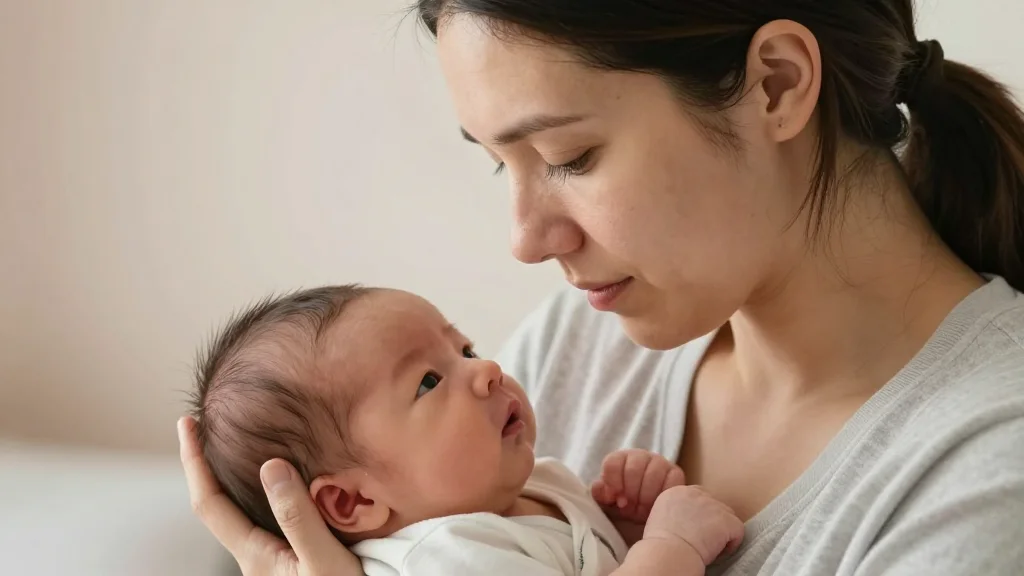
Postpartum Depression Rates Double to 19% as Misdiagnosis as Baby Blues Persists

Why It Matters
Postpartum depression not only jeopardizes a mother's mental health but also has cascading effects on infant development, family stability, and healthcare costs. The sharp rise to 19% signals a public‑health crisis that demands coordinated action across obstetrics, mental‑health services, and insurance providers. Accurate identification can prevent severe outcomes such as maternal suicide and impaired mother‑infant bonding, which have long‑term societal implications. Moreover, the misdiagnosis of PPD as baby blues perpetuates stigma and delays treatment, inflating costs for emergency care and chronic mental‑health interventions. By tightening screening standards and expanding access to postpartum mental‑health resources, the wellness sector can reduce these downstream burdens and improve overall maternal‑child health outcomes.
Key Takeaways
- •U.S. postpartum depression prevalence rose from 9.4% (2010) to 19% (2021), per a 2024 JAMA Network Open study.
- •Experts warn many PPD cases are still mistaken for the milder baby blues, leading to under‑treatment.
- •Dr. Tiffany Moore Simas emphasizes the link between maternal health and infant well‑being.
- •Dr. Jennifer Payne notes that baby blues do not raise PPD risk, but both can coexist in the same mother.
- •Upcoming ACOG screening guideline revisions and state tele‑health pilots aim to improve early detection.
Pulse Analysis
The doubling of postpartum depression rates over a decade reflects both a genuine increase in mood disorders and the impact of more aggressive case‑finding. Historically, PPD was under‑reported due to stigma and limited screening; today, the data suggest that while detection has improved, the healthcare system still lacks the infrastructure to differentiate PPD from transient baby blues reliably. This diagnostic gray area creates a two‑tiered market: one for low‑intensity support tools (apps, brief questionnaires) and another for high‑intensity clinical services (therapy, medication). Companies that can bridge this gap with validated, scalable screening platforms stand to capture a growing share of postpartum care spending.
From a policy perspective, the push for universal screening aligns with broader wellness trends emphasizing preventive mental health. However, implementation challenges—such as provider time constraints and reimbursement uncertainties—could slow adoption. States that invest in tele‑health and community‑based counseling may become testing grounds for scalable solutions, potentially influencing national standards. The next wave of innovation will likely focus on integrating AI‑driven risk stratification into electronic health records, enabling clinicians to flag high‑risk mothers in real time.
In the longer term, addressing postpartum depression is not just a health imperative but an economic one. Untreated PPD contributes to higher infant health costs, reduced workforce participation among new mothers, and increased reliance on social services. By tightening diagnostic criteria and expanding access to evidence‑based treatments, the wellness sector can mitigate these downstream costs while improving outcomes for families across the United States.
Postpartum Depression Rates Double to 19% as Misdiagnosis as Baby Blues Persists
Comments
Want to join the conversation?
Loading comments...