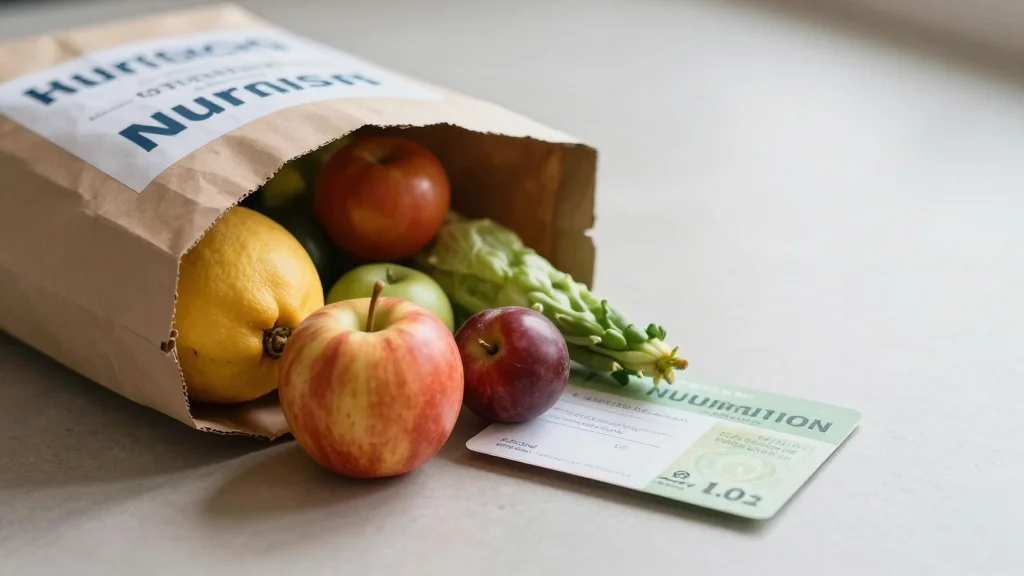
Preventive Nutrition Interventions in Protracted Humanitarian Crises: A SystematicReview and Meta-Analysis
Why It Matters
The evidence confirms that targeted nutrition assistance, especially cash‑voucher schemes and fortified foods, can dramatically improve child health outcomes in fragile contexts, justifying increased donor funding and program scaling.
Key Takeaways
- •All six preventive nutrition categories reduced at least one malnutrition outcome.
- •Cash/voucher programs cut stunting odds by 48% in crisis settings.
- •Specialized nutritious foods improved wasting z‑score by 0.69.
- •Dietary diversity odds nearly doubled with preventive interventions.
- •Meta‑analysis covered 71 studies, 56 with quantitative data.
Pulse Analysis
Humanitarian emergencies—whether driven by conflict, climate shocks, or displacement—create environments where undernutrition spikes, especially among children under five and pregnant women. Traditional emergency food aid often focuses on immediate caloric needs, but the growing body of research highlights the value of preventive nutrition strategies that address micronutrient gaps, dietary diversity, and growth monitoring before severe malnutrition sets in. This shift reflects a broader recognition that early, preventive interventions can reduce the long‑term health and economic costs associated with chronic undernutrition.
The meta‑analysis synthesizes data from diverse crisis settings, revealing robust effect sizes for several intervention types. Cash and voucher assistance emerged as the most potent stunting‑prevention tool, slashing odds by nearly half, likely because cash empowers households to purchase culturally appropriate, nutrient‑rich foods. Meanwhile, specialized nutritious foods—often fortified blends or ready‑to‑use therapeutic products—delivered the greatest gains in wasting z‑scores, underscoring the importance of targeted, high‑quality food products when rapid weight gain is needed. The near‑doubling of dietary diversity odds across studies signals that multi‑component programs that combine food aid, nutrition education, and livelihood support can reshape eating patterns even in resource‑scarce environments.
For policymakers and donors, these findings make a compelling case for reallocating resources toward preventive nutrition portfolios that blend cash‑based transfers, fortified foods, and integrated service delivery. Scaling such approaches can accelerate progress toward Sustainable Development Goal 2 (Zero Hunger) and reduce child mortality rates in the world’s most vulnerable regions. Moreover, the high heterogeneity reported in the analysis highlights the need for context‑specific program design and rigorous monitoring to fine‑tune interventions for maximum impact. Continued investment in research and implementation will be essential to translate these promising results into sustained health gains on the ground.
Preventive Nutrition Interventions in Protracted Humanitarian Crises: A SystematicReview and Meta-Analysis
Comments
Want to join the conversation?
Loading comments...