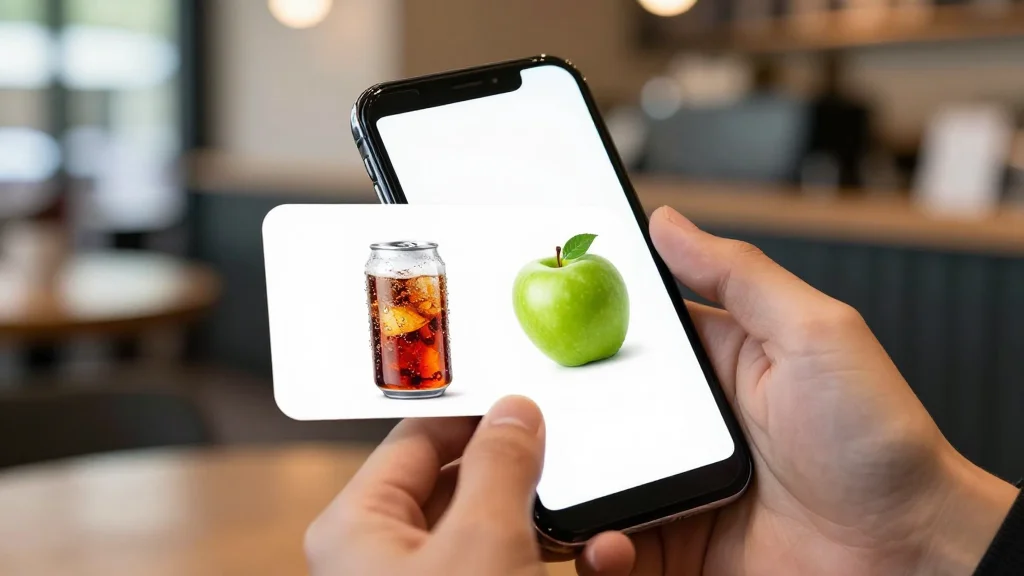
Promoting Healthier Food Purchases via Social Media: The Role of Polls and Their Visual Features
Why It Matters
The study shows a low‑cost, scalable method for brands and public‑health campaigns to steer consumer intentions toward healthier foods, directly addressing the growing obesity challenge through everyday social‑media interactions.
Key Takeaways
- •Healthy‑diet participants prefer healthy products when 27% minority shown left
- •No purchase‑intention shift observed for participants with unhealthy diets
- •Visual cues like proportional bars and green/red colors drive norm effect
- •Removing proportionality or color neutralizes the minority‑norm influence
- •Instagram‑style polls could become low‑cost tools for healthier food promotion
Pulse Analysis
Obesity remains a top‑ranked cause of global mortality, and traditional health messages often fail to change eating habits because they demand cognitive effort. Marketers and public‑health officials are turning to social‑media environments, where billions of users scroll daily, to embed subtle behavioral nudges. Descriptive social‑norm feedback—showing what others actually do—offers a System 1 shortcut that can shape intentions without overt persuasion. By framing poll results as minority or majority outcomes, platforms can provide instant social proof that aligns with healthier choices, leveraging the innate human tendency to conform.
The study’s first experiment revealed a nuanced interaction between past dietary behavior and poll visual design. Participants who identified as having a healthy diet were more likely to intend to purchase healthy items when the poll displayed a minority percentage (27%) on the left side of a proportional bar, a placement that subtly highlighted the user’s alignment with the majority. This effect vanished for those reporting unhealthy diets, indicating that personal history moderates norm influence. Crucially, follow‑up experiments that stripped away proportional representation or the green/red color coding erased the effect, underscoring that visual salience—not just the numeric norm—drives the persuasive power of polls.
For marketers and health agencies, these insights translate into actionable tactics. Simple Instagram‑style polls that retain proportional bars and contrasting colors can be integrated into product posts, offering real‑time normative feedback without additional cost. Brands can tailor poll framing to target audiences—emphasizing minority positive cues for health‑conscious consumers while avoiding counterproductive messages for less‑engaged segments. Policymakers might also consider encouraging platform‑level features that support such nudges, fostering a digital ecosystem where healthier choices become the visible norm. Future research should explore long‑term behavior changes and cross‑cultural applicability, but the current evidence positions visual poll design as a promising lever in the fight against poor diet and obesity.
Promoting healthier food purchases via social media: the role of polls and their visual features
Comments
Want to join the conversation?
Loading comments...