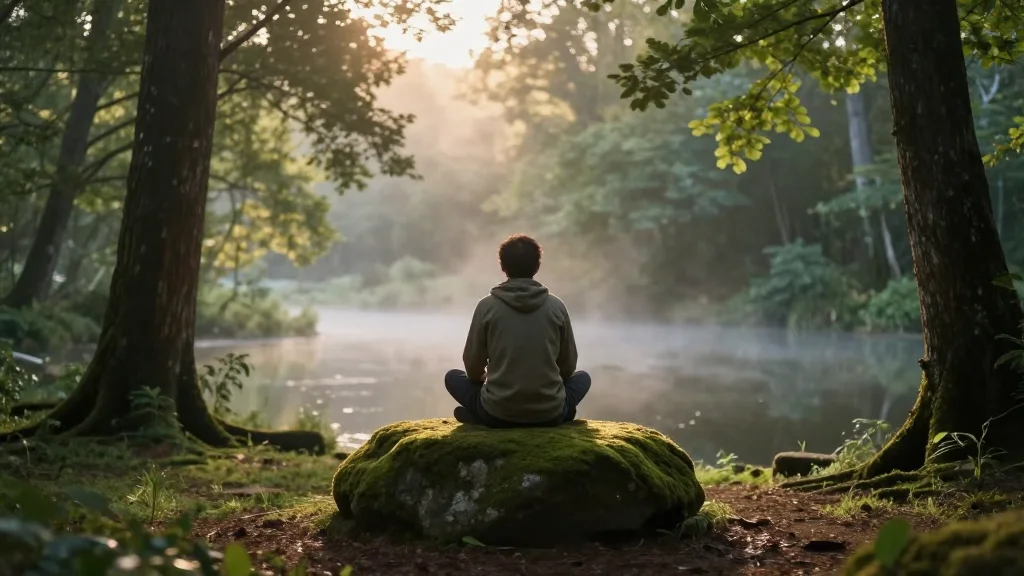
Psychedelic Retreats Linked to Mental Health Improvements in People with Severe Childhood Trauma
Why It Matters
The results indicate that guided psychedelic experiences may address a treatment gap for people whose early trauma makes conventional therapy less effective, opening a potential new market for specialized psychedelic‑based programs.
Key Takeaways
- •Higher childhood trauma predicts larger anxiety reduction after psychedelic retreats
- •Mystical and emotional breakthrough experiences mediate well‑being gains in traumatized participants
- •No increase in challenging trips observed among those with severe early trauma
- •Study limited by self‑selected, mostly white, affluent sample
- •Findings support clinical trials targeting trauma‑related mental health with psychedelics
Pulse Analysis
The new observational study adds to a growing body of evidence that classic psychedelics, when administered in a supportive ceremonial setting, can produce measurable mental‑health benefits for a population traditionally resistant to standard care. By tracking anxiety, experiential avoidance, and well‑being before and after retreats, researchers identified a dose‑response relationship between the severity of early adverse experiences and the magnitude of improvement. This suggests that the profound, often mystical states induced by psilocybin or ayahuasca may unlock emotional processing pathways that conventional talk therapy struggles to reach.
From a business perspective, the findings sharpen the strategic focus for companies developing psychedelic‑assisted therapies. Investors are increasingly looking for indications where the therapeutic signal is strongest, and trauma‑related disorders—particularly those linked to adverse childhood experiences—represent a high‑need, high‑value segment. The correlation between emotional breakthrough experiences and later reductions in anxiety points to the importance of integrating skilled facilitators and structured integration programs, which could become differentiators for retreat operators and clinical trial sponsors alike. Moreover, the lack of heightened challenging experiences among heavily traumatized participants alleviates some safety concerns, potentially easing regulatory scrutiny for targeted protocols.
Nevertheless, the study’s limitations temper enthusiasm. The sample’s demographic homogeneity and self‑selection bias mean the results may not translate to broader, more diverse populations that bear the greatest burden of trauma. Future randomized controlled trials that recruit participants across socioeconomic and ethnic lines will be essential to validate efficacy and safety. For the emerging psychedelic industry, such rigorous data will be pivotal in securing FDA pathways, insurance reimbursement, and mainstream acceptance, ultimately shaping the next wave of mental‑health innovation.
Psychedelic retreats linked to mental health improvements in people with severe childhood trauma
Comments
Want to join the conversation?
Loading comments...