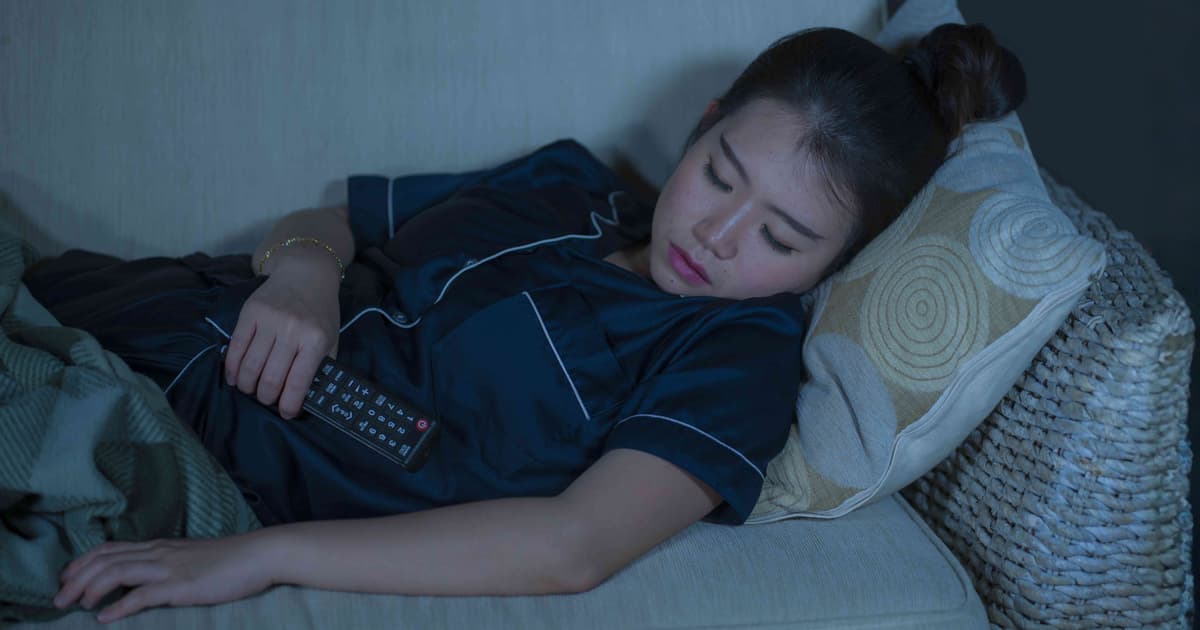
Psychology Says Adults Who Still Sleep with the Television on Aren’t Just Creatures of Habit — Many of Them Are Filling the Room with Voices because at some Point in Their Life the Silence Became the Space Where the Worst Thoughts Lived, and a Stranger Talking About the Weather at 2 AM Is Less Frightening than Whatever Their Own Mind Has to Say when There’s Nothing Else Competing for the Air
Why It Matters
The habit illustrates how modern media consumption can exacerbate mental‑health challenges and undermine sleep hygiene, prompting both individuals and health professionals to reassess nighttime screen use.
Key Takeaways
- •TV serves as white noise to mask anxiety‑inducing silence
- •Binge‑watching links to insomnia, depression, and social isolation
- •Parasocial relationships drain emotional energy from real connections
- •Early‑life excessive TV raises adult anxiety disorder risk
- •Gradual replacement with audiobooks or white‑noise improves sleep hygiene
Pulse Analysis
The rise of 24‑hour streaming has turned many bedrooms into miniature broadcast stations, a trend that psychologists say is more than a harmless habit. Studies from Healthline and peer‑reviewed journals reveal that the constant hum of television acts as a form of white noise, soothing the mind only by drowning out silence that would otherwise surface anxiety‑laden thoughts. This coping mechanism, however, comes at a cost: prolonged exposure to screen light and narrative immersion disrupts circadian rhythms, leading to delayed sleep onset, fragmented REM cycles, and a cascade of mood disturbances.
Beyond the physiological effects, the psychological impact is profound. When viewers form parasocial bonds with fictional characters, they allocate emotional resources that would normally nurture real‑world relationships. Researchers have documented a feedback loop where increased screen time fuels loneliness, which in turn drives further reliance on media for comfort. Early‑life binge‑watching amplifies this risk, with longitudinal data linking childhood television overuse to higher rates of adult anxiety disorders. The cumulative effect is a population more prone to depression, social anxiety, and reduced resilience.
Addressing the issue requires a nuanced approach rather than an abrupt ban. Experts recommend a gradual transition to non‑visual soundscapes—such as white‑noise machines, nature recordings, or audiobooks—that preserve the soothing backdrop without the visual stimulus that hijacks attention. Coupled with sleep‑hygiene practices like dimming lights and establishing a consistent bedtime routine, these steps can restore the brain's natural ability to wind down. For employers and health insurers, recognizing the hidden cost of nighttime screen addiction could inform wellness programs aimed at improving employee sleep quality and overall mental health.
Psychology says adults who still sleep with the television on aren’t just creatures of habit — many of them are filling the room with voices because at some point in their life the silence became the space where the worst thoughts lived, and a stranger talking about the weather at 2 AM is less frightening than whatever their own mind has to say when there’s nothing else competing for the air
Comments
Want to join the conversation?
Loading comments...