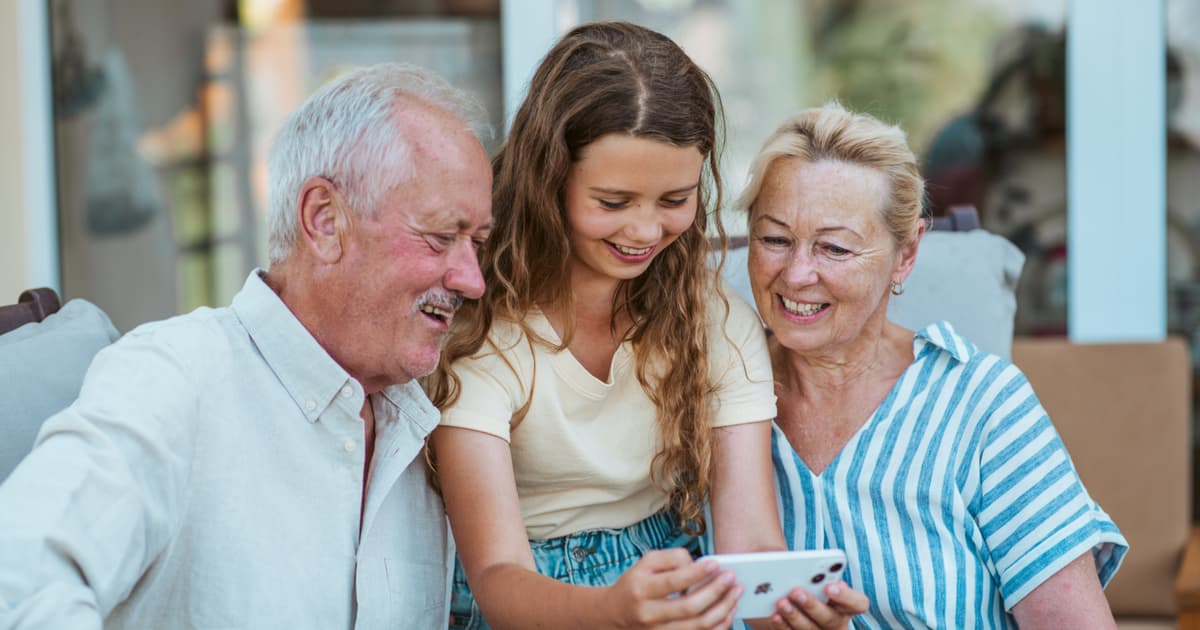
Psychology Says the Grandparents Whose Grandchildren Genuinely Want to Spend Time with Them Aren’t the Ones with the Biggest Gifts, the Most Exciting Outings, or the Warmest House, They’re the Ones Who Treat the Child as an Actual Person Worth Listening to, Who Ask Real Questions and Wait for Real Answers, and a Child Who Has Been Taken Seriously by an Old Person Rarely Forgets the Experience for the Rest of Their Lif
Why It Matters
Treating grandchildren as thoughtful individuals builds self‑esteem and shapes healthier adult relationships, giving families a lasting emotional advantage.
Key Takeaways
- •Listening grandchildren builds lifelong emotional confidence.
- •Genuine conversation outweighs expensive gifts for lasting bonds.
- •Adults who ask real questions foster deeper child self‑esteem.
- •Presence and patience create memorable intergenerational connections.
- •Early validation influences adult communication skills and relationships.
Pulse Analysis
Recent studies in developmental psychology emphasize that the quality of intergenerational interaction matters more than material generosity. When grandparents engage children with authentic curiosity—asking open‑ended questions, waiting for answers, and sharing personal experiences—they reinforce a child’s sense of agency. This type of engagement activates neural pathways linked to self‑concept and social cognition, laying a foundation for confidence that persists into adulthood. In contrast, lavish gifts and scripted outings may spark short‑term joy but rarely translate into enduring emotional memory.
The practical implications for families are clear. Grandparents who prioritize presence over performance can foster deeper relational bonds without spending a fortune. Simple habits—maintaining eye contact, pausing before responding, and treating a child’s ideas as worthy of discussion—signal respect and validation. Over time, these moments accumulate, creating a mental archive of being heard. Children who experience this tend to develop stronger communication skills, higher self‑esteem, and a greater propensity to listen attentively to others, perpetuating a virtuous cycle across generations.
For businesses targeting the senior market, this insight opens new avenues. Products and services that enable meaningful conversation—such as easy‑to‑use video platforms, storytelling workshops, or memory‑keeping apps—can align with the desire to be heard. Marketers should frame offerings around the emotional payoff of genuine connection rather than material excess. By positioning themselves as facilitators of authentic intergenerational dialogue, brands can tap into a growing demand for experiences that nurture lasting family bonds.
Psychology says the grandparents whose grandchildren genuinely want to spend time with them aren’t the ones with the biggest gifts, the most exciting outings, or the warmest house, they’re the ones who treat the child as an actual person worth listening to, who ask real questions and wait for real answers, and a child who has been taken seriously by an old person rarely forgets the experience for the rest of their lif
Comments
Want to join the conversation?
Loading comments...