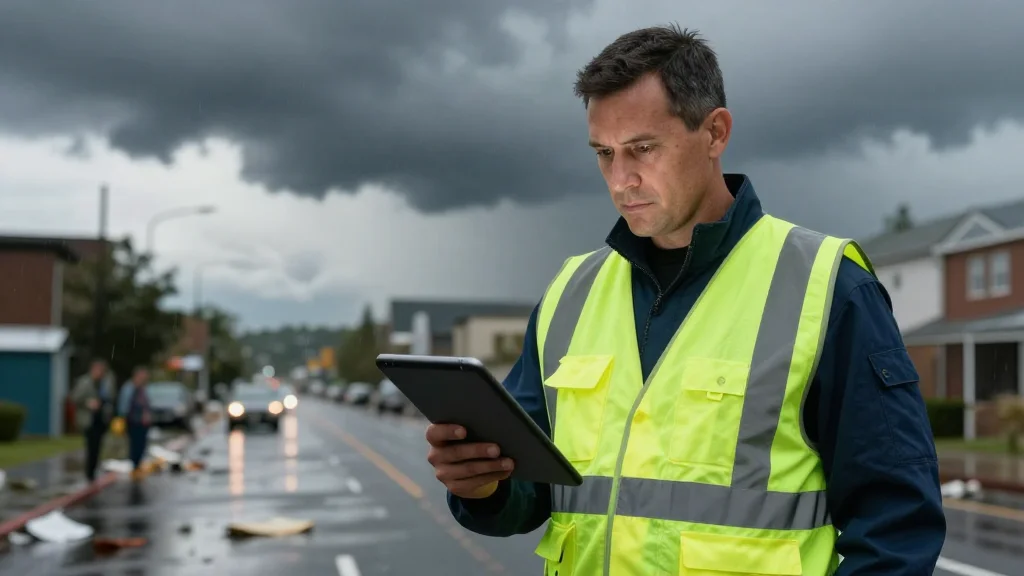
Public Health Expert Reflects on Chaos, Mental Strain, and Lessons Learned During Hurricane Andrew Aftermath
Why It Matters
The insights reveal why integrating mental‑health services into disaster response is now considered essential for effective recovery and for protecting the well‑being of both survivors and emergency personnel.
Key Takeaways
- •Hurricane Andrew exposed gaps in disaster mental health coordination
- •Flynn’s work helped institutionalize behavioral health in emergency response
- •Lack of clear direction heightened responder stress and operational chaos
- •Self‑care emerged as critical for sustained crisis leadership
- •Podcast series will examine lessons from Oklahoma City and Columbine
Pulse Analysis
The 1992 landfall of Hurricane Andrew in South Florida remains a benchmark for modern disaster management. With winds exceeding 165 mph and damage surpassing $27 billion (≈ $30 billion today), the storm overwhelmed local shelters, hospitals, and first‑responder networks. Beyond the physical devastation, the crisis revealed a stark blind spot: the mental‑health toll on survivors and emergency personnel. At the time, coordination among federal, state, and local agencies was fragmented, leaving many affected individuals without timely psychological support. Those early shortcomings sparked a reevaluation of how behavioral health fits into emergency operations.
Retired Rear Admiral Dr. Brian Flynn, a veteran of the U.S. Public Health Service, was on the ground directing the nascent disaster behavioral‑health effort. Drawing on experience from the Oklahoma City bombing and later the Columbine tragedy, Flynn advocated for systematic screening, crisis counseling, and long‑term follow‑up for both victims and responders. His recommendations fed directly into the 1994 Public Health Service Act amendments that codified mental‑health services as a core component of federal disaster assistance. Today, agencies such as FEMA and CDC embed behavioral‑health protocols in every major incident plan, a legacy traceable to Flynn’s early work.
The podcast series “Disaster & After” translates those historical lessons into actionable insights for today’s crisis leaders. It underscores that clear command structures, rapid information sharing, and proactive self‑care policies are essential to prevent responder burnout during prolonged emergencies. As climate change intensifies storm frequency, the need for resilient mental‑health infrastructure grows. Organizations that embed behavioral health into their continuity plans not only protect personnel well‑being but also enhance overall response effectiveness. Listeners can expect deeper dives into the Oklahoma City and Columbine case studies, illustrating how past failures continue to shape current best practices.
Public Health Expert Reflects on Chaos, Mental Strain, and Lessons Learned During Hurricane Andrew Aftermath
Comments
Want to join the conversation?
Loading comments...