Why It Matters
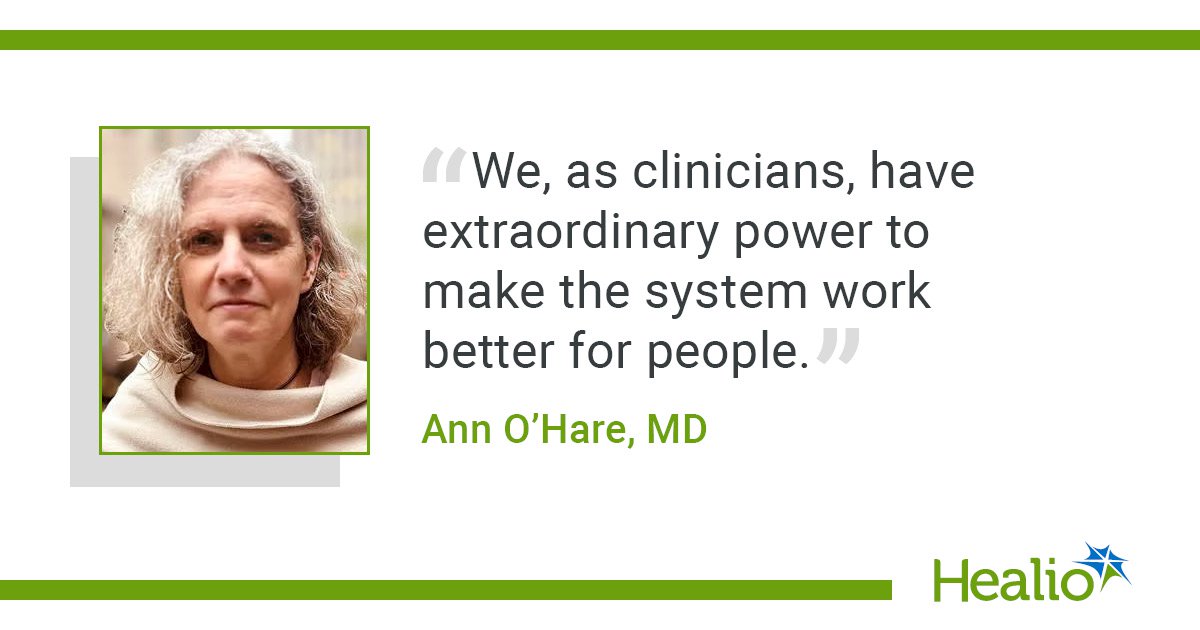
The piece underscores that the future effectiveness of AI and novel therapies in nephrology hinges on preserving human‑focused, empathetic care, a factor that will shape patient outcomes and professional practice.
Key Takeaways
- •Geriatrics and palliative care principles are reshaping nephrology practice.
- •AI tools risk eroding personal notes that foster patient empathy.
- •Dual‑boarded nephrology‑palliative clinicians champion person‑centered care.
- •Emerging kidney drugs improve outcomes but increase decision‑making complexity.
- •Clinician responsibility determines whether AI enhances or diminishes human care.
Pulse Analysis
Nephrology is undergoing a cultural transformation as the specialty embraces geriatrics and palliative‑care philosophies. This shift reflects a broader movement away from paternalistic medicine toward models that prioritize the patient’s narrative, values, and quality of life. Clinicians who hold dual certifications in nephrology and palliative care are leading the charge, integrating end‑of‑life discussions and holistic assessments into routine kidney care. Their influence is reshaping training programs, research priorities, and clinical guidelines, ensuring that treatment decisions honor the individual behind the disease.
At the same time, artificial intelligence is being rolled out across health systems, promising efficiency gains through automated note‑taking and decision‑support tools. While AI could free clinicians to spend more time with patients, early experiences—such as AI scribes that strip away personal anecdotes—highlight a danger: the loss of the subtle, human details that foster empathy and trust. The technology’s impact will ultimately depend on how providers curate its output, preserving the narrative elements that make each patient unique while leveraging AI for routine administrative tasks.
The therapeutic landscape for kidney disease is also expanding, with novel agents that can slow progression and delay dialysis. These advances bring hope but also add layers of complexity to shared decision‑making, as patients must weigh long‑term benefits against potential side effects. Effective communication, supported by both human compassion and smart AI tools, will be critical to help patients navigate these choices. In this evolving environment, the balance between cutting‑edge science and humane practice will determine whether nephrology truly becomes more human again.
Q&A: How to make medicine ‘more human’ again
Comments
Want to join the conversation?
Loading comments...