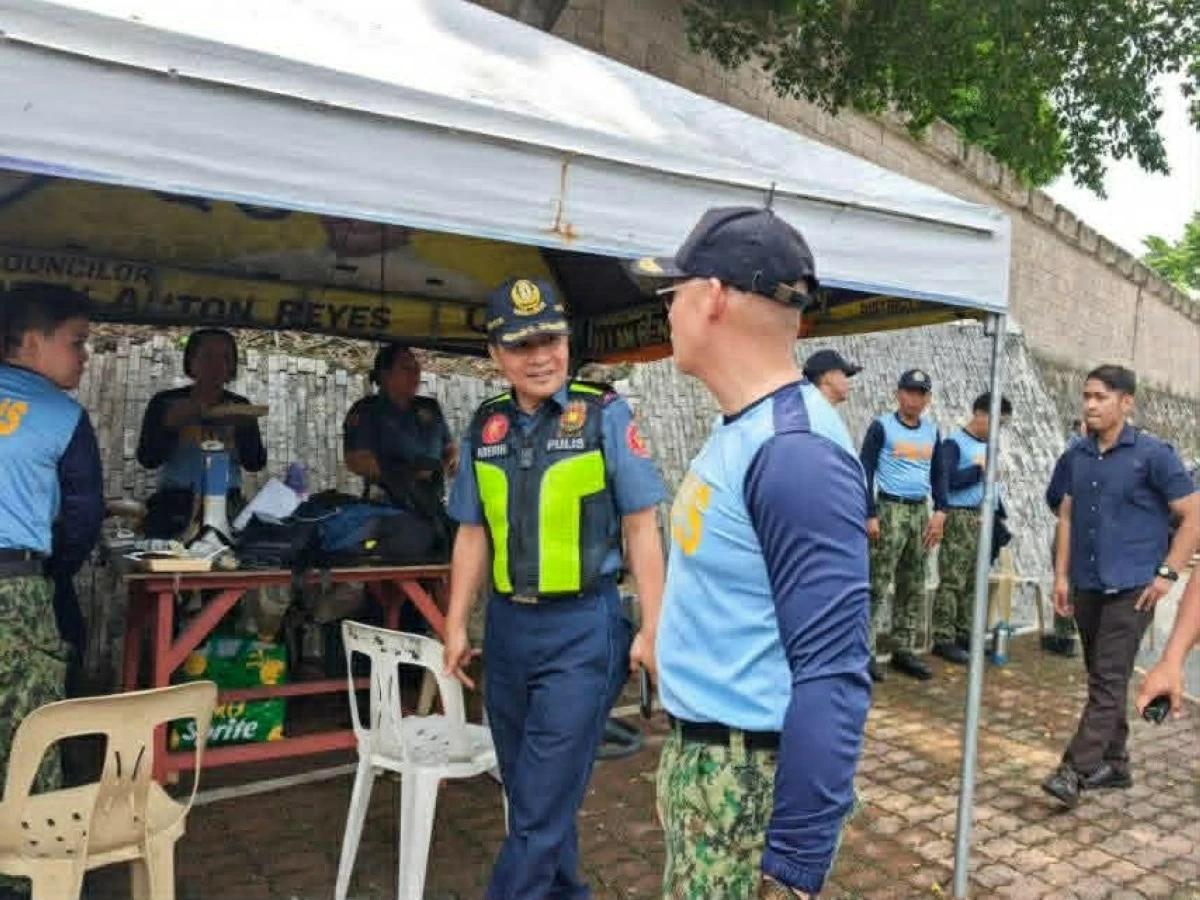
QCPD Medical Unit Serves 2,220 Cops, Civilians, Detainees in One-Week Initiative
Why It Matters
Investing in personnel health and morale boosts frontline readiness and public trust, offering a replicable model for police departments integrating welfare with community engagement.
Key Takeaways
- •QCPD Medical Unit served 2,220 individuals in one week
- •9,070 commendations and 738 awards boosted officer morale
- •31 service vehicles repaired, enhancing response capability
- •Community outreach included 227 barangay activities
- •Financial aid gave $363 burial support and $2,909 education assistance
Pulse Analysis
The Quezon City Police District’s recent initiative underscores a growing trend among law‑enforcement agencies to prioritize internal welfare as a cornerstone of operational effectiveness. By deploying its Medical and Dental Unit to provide comprehensive health services—ranging from routine check‑ups to measles‑rubella vaccinations—the QCPD not only safeguards its personnel but also extends care to civilians and detainees, reinforcing the perception of police as community caretakers. Such health‑centric programs can reduce absenteeism, improve morale, and ultimately enhance response times during emergencies.
Beyond medical support, the district’s emphasis on recognition and equipment readiness signals a holistic approach to force readiness. Awarding over 9,000 commendations and repairing 31 service vehicles in a single week demonstrates a commitment to both morale‑boosting incentives and logistical capability. These actions translate into a more motivated workforce equipped to handle the dynamic challenges of urban policing, from traffic management to rapid deployment in crisis situations.
The broader implications for public safety are significant. When police departments invest in welfare, community outreach, and tangible assistance—such as the $363 burial aid and $2,909 educational grants—they build stronger trust bonds with residents. This trust can lead to higher cooperation rates, better intelligence gathering, and a reduction in crime. Other municipalities observing QCPD’s model may adopt similar integrated welfare strategies, fostering a new standard where police effectiveness is measured not just by arrests, but by the health, morale, and community rapport of the force.
QCPD medical unit serves 2,220 cops, civilians, detainees in one-week initiative
Comments
Want to join the conversation?
Loading comments...