Recognizing the Role of Stress in Bipolar I Disorder Management
Companies Mentioned

American Psychiatric Publishing

Elsevier
Why It Matters
Recognizing stress as a core driver of BD‑I episodes enables more precise treatment, reducing relapse risk and enhancing medication effectiveness. This shift has significant implications for mental‑health providers and health‑system outcomes.
Key Takeaways
- •Chronic stress disrupts sleep, worsening bipolar mood stability
- •Acute stress can trigger rapid manic or depressive episodes
- •Elevated cortisol may alter medication metabolism and efficacy
- •Early stress signs include emotional reactivity and sleep changes
- •Integrated stress assessment improves long‑term bipolar treatment outcomes
Pulse Analysis
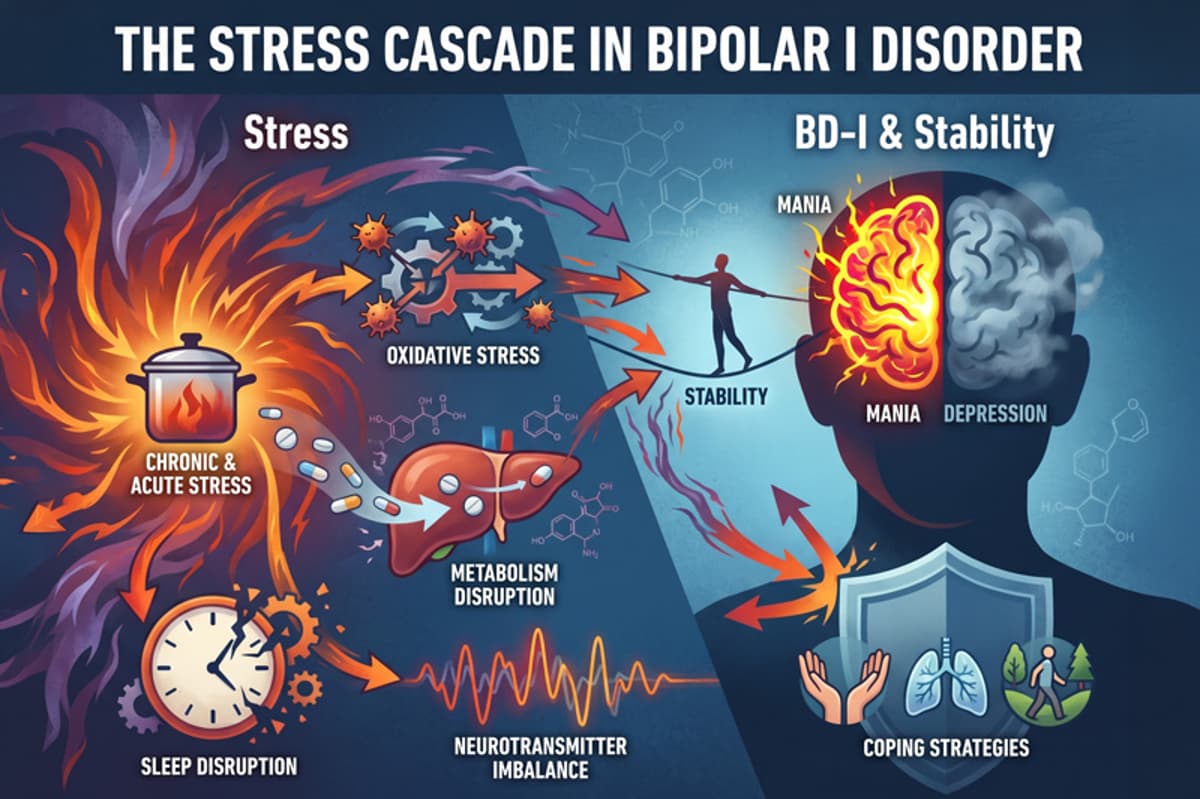
Stress is not merely a background factor in bipolar I disorder; it acts as a biological catalyst that amplifies the illness’s core symptoms. Elevated cortisol from sustained pressure interferes with sleep patterns, a critical regulator of manic and depressive cycles, and can provoke oxidative stress that hampers liver function. When the body’s drug‑metabolizing pathways are compromised, the efficacy of mood stabilizers becomes unpredictable, leading clinicians to adjust dosages without addressing the root cause.
Clinicians traditionally focus on overt manic or depressive behaviors, often missing the subtle stress signals that precede them. Research shows that both chronic pressures—such as financial strain or relationship conflict—and acute events—like sudden loss or trauma—can precipitate rapid mood destabilization. Early indicators, including heightened emotional reactivity and fragmented sleep, serve as warning lights. By incorporating stress‑specific questions into intake forms and monitoring cortisol‑related biomarkers, providers can differentiate stress‑driven symptom spikes from primary mood episodes.
Effective management hinges on a dual approach: immediate stress‑relief techniques and long‑term resilience building. Breathing exercises, grounding methods, and regular physical activity can blunt acute sympathetic responses, while psychoeducation helps patients identify personal stress triggers. Coupled with consistent sleep hygiene practices and coordinated medication plans, these strategies reduce the likelihood of relapse and improve adherence. Emphasizing stress as a central therapeutic target reshapes BD‑I care, fostering more durable outcomes for patients and lowering overall healthcare costs.
Recognizing the Role of Stress in Bipolar I Disorder Management
Comments
Want to join the conversation?
Loading comments...