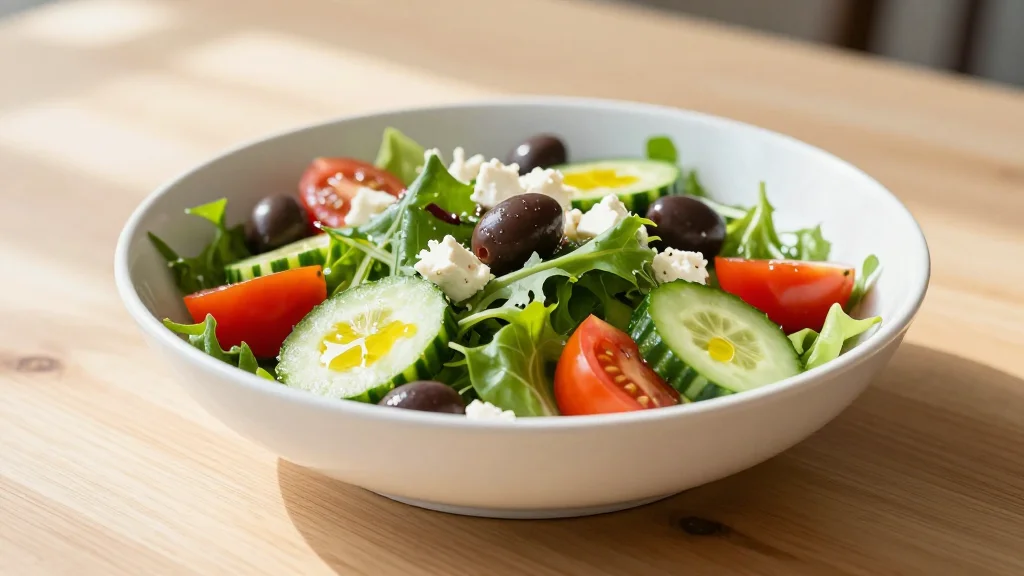
Researchers Analyzed 450k Diets — This Eating Habit Stood Out For Cancer Prevention
Why It Matters
The research highlights a diet‑based strategy to reduce cancer risk that operates independently of weight loss, offering a scalable public‑health tool. It underscores the importance of dietary quality for disease prevention, not just calorie management.
Key Takeaways
- •Mediterranean diet linked to lower obesity‑related cancer risk
- •Protection persists independent of weight loss or BMI
- •Olive oil, nuts, fish, legumes, and colorful produce drive benefits
- •Small daily changes can compound into long‑term cellular health
Pulse Analysis
The recent JAMA Network Open analysis, encompassing more than 450,000 adults across multiple cohorts, provides the most robust epidemiological evidence yet that the Mediterranean dietary pattern curtails obesity‑related cancers. Prior studies have linked the diet to cardiovascular and neurocognitive outcomes, but this work isolates a cancer‑preventive signal that remains after statistical adjustment for body‑mass index and waist circumference. By leveraging a large, diverse sample, researchers have reduced the uncertainty that often plagues nutrition research, positioning the Mediterranean diet as a credible, evidence‑based intervention for oncologic risk reduction.
Mechanistically, the diet’s hallmark components—extra‑virgin olive oil rich in polyphenols, omega‑3‑laden fatty fish, antioxidant‑dense fruits and vegetables, and plant‑based proteins from legumes and nuts—converge to dampen chronic inflammation and oxidative stress, two central drivers of malignant transformation. Polyphenols scavenge free radicals, while omega‑3 fatty acids modulate inflammatory pathways such as NF‑κB. Together, these bioactives improve cellular repair processes and maintain genomic stability, offering a plausible explanation for the observed cancer protection that is independent of adiposity.
For clinicians and policymakers, the study’s practical takeaway is clear: modest, sustainable dietary tweaks can yield outsized health dividends. Encouraging patients to incorporate two to four tablespoons of unheated olive oil, a daily handful of nuts, regular servings of fatty fish, and a rainbow of vegetables can translate into measurable reductions in cancer incidence at the population level. Future research should explore dose‑response relationships and assess whether similar benefits extend to non‑obesity‑related cancers, thereby refining dietary guidelines for comprehensive disease prevention.
Researchers Analyzed 450k Diets — This Eating Habit Stood Out For Cancer Prevention
Comments
Want to join the conversation?
Loading comments...