Why It Matters
Understanding the specific health benefits of green and blue spaces can shape evidence‑based policies that boost community wellbeing while supporting biodiversity. The research offers a template for other regions seeking nature‑based health solutions.
Key Takeaways
- •Study monitors visitors across five Isle of Wight sites.
- •Researchers assess health impact of green and blue spaces.
- •Focus on young adults' access and creative engagement.
- •Findings aim to guide nature recovery and wellbeing policies.
- •Island's biosphere status underscores sustainable community‑nature partnership.
Pulse Analysis
The growing body of evidence linking outdoor environments to mental and physical health has prompted universities and NGOs to collaborate on rigorous field studies. By categorising "green" (vegetated land) and "blue" (water) spaces, researchers can isolate the variables that drive wellbeing, from bird song to the tactile experience of sea swimming. This granular approach moves beyond the generic "nature is good" narrative, offering data that can be quantified and applied in urban planning and public‑health initiatives.
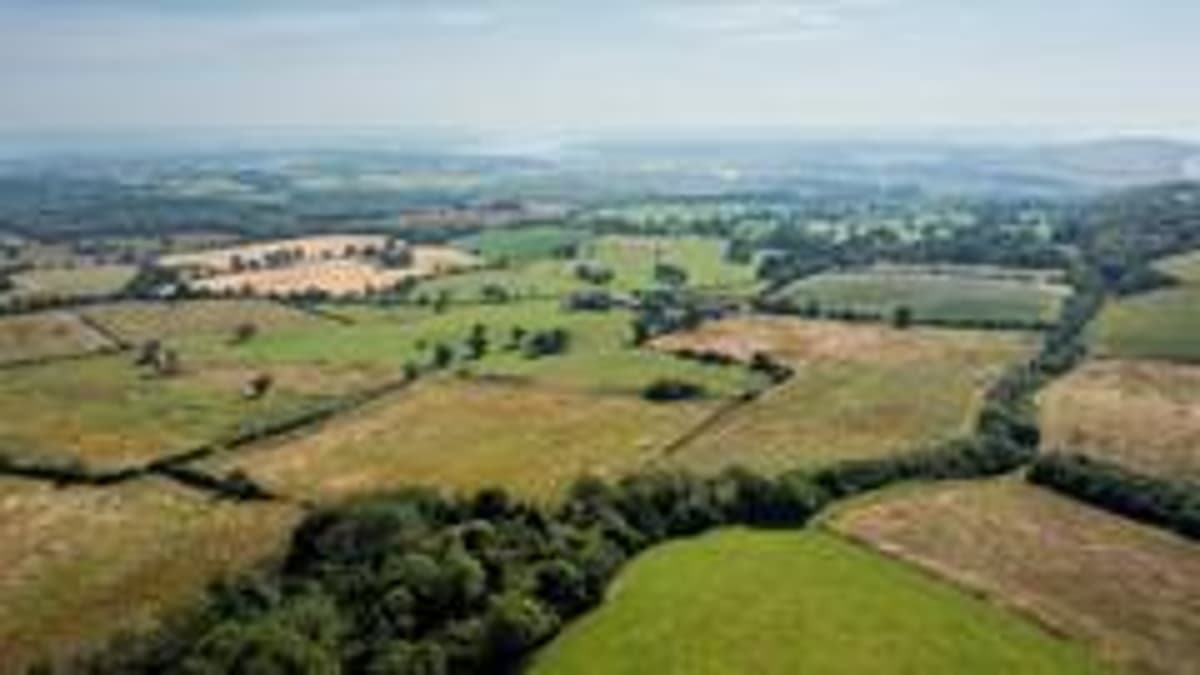
On the Isle of Wight, the project will survey visitors at Wilder Nunwell, Bembridge Beach, Puckpool, Appley parks, Ryde, and Sandown Beach. Participants aged 18‑35 will join creative workshops with local artists, providing qualitative insights alongside quantitative usage data. By mapping who visits, how often, and why, the team hopes to uncover socioeconomic or logistical barriers that limit access, especially among young adults who report time constraints. The inclusion of both recreational and ecological metrics ensures a holistic view of how natural settings contribute to wellbeing.
The implications extend beyond the island. As a UNESCO biosphere reserve since 2019, the Isle of Wight serves as a testbed for integrating biodiversity conservation with human health outcomes. Positive results could justify increased funding for rewilding projects and inform national guidelines on green‑infrastructure investment. Ultimately, the study aims to demonstrate that restoring nature delivers a dual payoff: richer ecosystems and healthier, more resilient communities.
Researchers look into island's health benefits
Comments
Want to join the conversation?
Loading comments...