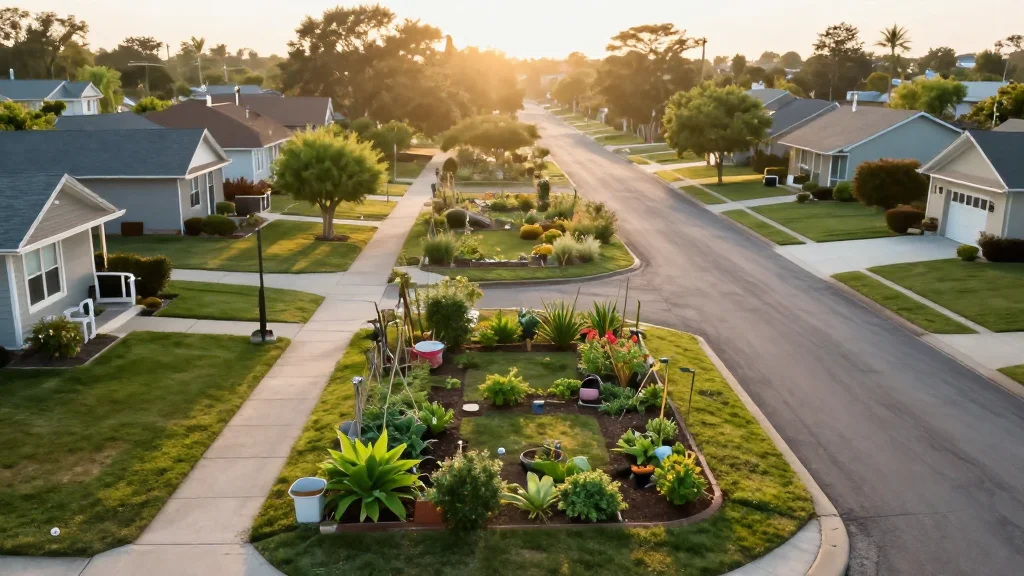
Residents in some Neighborhoods Live 30 Years Longer. Researchers Developed a Model to Close that Gap.
Why It Matters
UBN redirects public‑health investment from affluent enclaves to underserved areas, promising higher overall longevity and reduced health inequities. Policymakers gain a data‑driven tool to target resources where they can close the most severe life‑expectancy gaps.
Key Takeaways
- •UBN model defines 35 health metrics across environment, housing, social, transport.
- •Crescent Hill meets UBN standards with 81‑year life expectancy, Russell at 65.
- •Model shifts focus from wealthy pockets to baseline assets for all neighborhoods.
- •Early adopters like Dallas seek guidance to implement city‑wide assessments.
- •Community input links resident expertise with academic research for effective interventions.
Pulse Analysis
The Universal Basic Neighborhood (UBN) framework reframes how municipalities assess public‑health readiness. Rather than concentrating hospitals, parks and high‑speed internet in already affluent districts, UBN sets a baseline of 35 measurable assets—ranging from average summer temperatures below 88 °F to affordable housing ratios and internet connectivity. By establishing a universal benchmark, city planners can pinpoint precise deficits, allowing targeted interventions that lift life expectancy in lagging areas without over‑investing in places that already exceed the standard.
In Louisville, the model’s first real‑world test highlighted stark disparities. Crescent Hill, with 19 health‑supporting assets, enjoys an 81‑year average lifespan, while neighboring Russell, burdened by 21 liabilities, sees residents living only to 65. The contrast underscores how even modest improvements—such as expanding senior social programs or increasing affordable housing—could add a decade of life for residents in under‑served zones. Importantly, the research emphasizes resident involvement; local voices help validate which assets matter most, ensuring policies are culturally resonant and practically feasible.
Beyond Louisville, the UBN approach is gaining traction. Dallas officials have reached out for guidance, signaling a potential wave of city‑wide assessments that could standardize health equity metrics across the United States. As more municipalities adopt the model, the data pool will expand, refining thresholds and revealing best‑practice interventions. For investors, developers, and health‑care providers, UBN offers a predictive map of where infrastructure upgrades will yield the greatest social return, aligning profit motives with the public good of longer, healthier lives.
Residents in some neighborhoods live 30 years longer. Researchers developed a model to close that gap.
Comments
Want to join the conversation?
Loading comments...