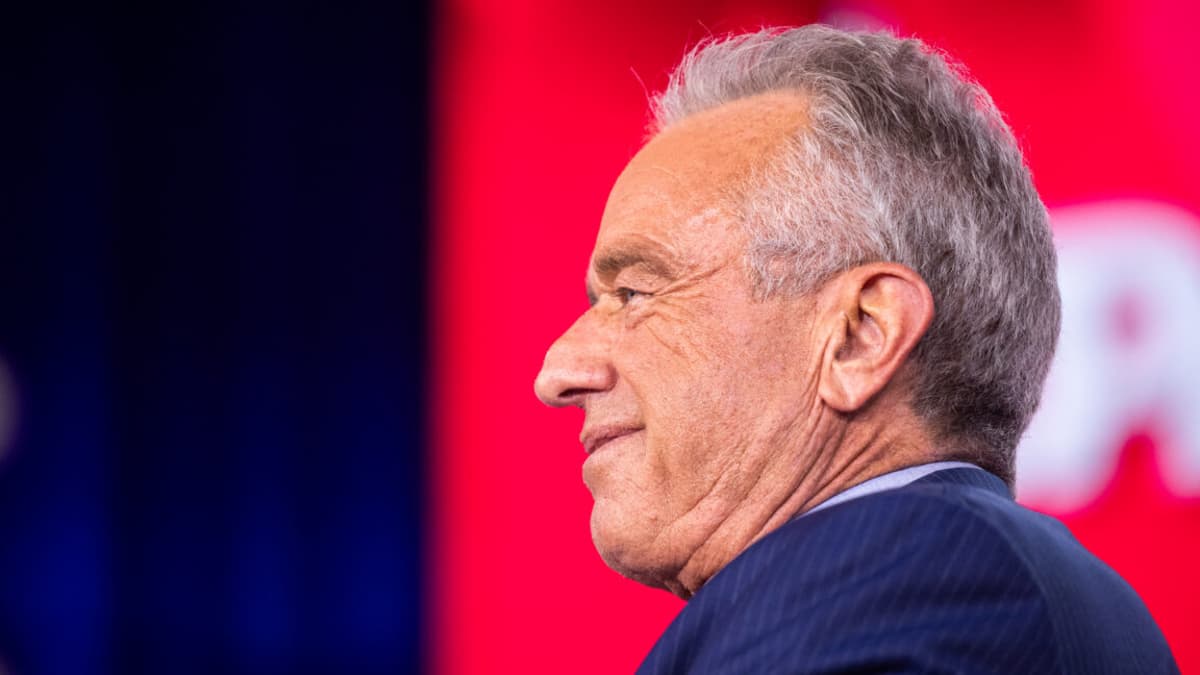
RFK Jr. Plans to Curb Antidepressants, Which He Falsely Compares to Heroin
Why It Matters
The policy could reshape prescribing practices and insurance reimbursement, while Kennedy’s false claims risk undermining public confidence in effective psychiatric treatments.
Key Takeaways
- •RFK Jr. announced federal steps to limit SSRI prescribing
- •New Dear Colleague Letter urges non‑pharmacologic mental‑health options
- •CMS guidance adds billing code for deprescribing antidepressants
- •Psychiatric groups warn the plan oversimplifies the mental‑health crisis
- •Experts debunk Kennedy’s claim that stopping SSRIs is harder than heroin
Pulse Analysis
The latest federal effort to curb antidepressant use reflects a broader political push to re‑examine mental‑health treatment paradigms. By issuing a Dear Colleague Letter and new CMS guidance, the administration is encouraging clinicians to consider lifestyle interventions, therapy, and other non‑pharmacologic options before defaulting to SSRIs. While expanding treatment choices can benefit patients, the top‑down approach risks marginalizing evidence‑based medication when it remains the most effective option for many severe mood disorders. The added billing code for deprescribing may streamline transitions, yet it also signals a policy tilt toward reducing drug reliance regardless of individual clinical need.
Kennedy’s rhetoric amplifies longstanding concerns about misinformation in health policy. His comparison of SSRI withdrawal to heroin addiction, repeatedly debunked by addiction researchers, echoes the false narratives that have plagued vaccine discourse. Such statements can erode trust in psychiatric care, potentially deterring patients from seeking or adhering to prescribed treatments. The backlash from the American Psychiatric Association underscores the tension between political messaging and clinical realities, highlighting the importance of grounding policy in robust scientific evidence rather than anecdotal claims.
The implications extend beyond prescribing trends to broader health‑system dynamics. If insurers adopt the new billing code, providers may receive financial incentives to taper patients off antidepressants, which could inadvertently prioritize cost over patient‑centered outcomes. Moreover, the focus on “over‑medicalization” may distract from systemic issues like provider shortages, unequal access, and the need for integrated care models. Stakeholders must balance the desire for innovative, non‑drug therapies with the responsibility to maintain safe, effective treatment pathways for those battling depression, anxiety, and related conditions.
RFK Jr. plans to curb antidepressants, which he falsely compares to heroin
Comments
Want to join the conversation?
Loading comments...