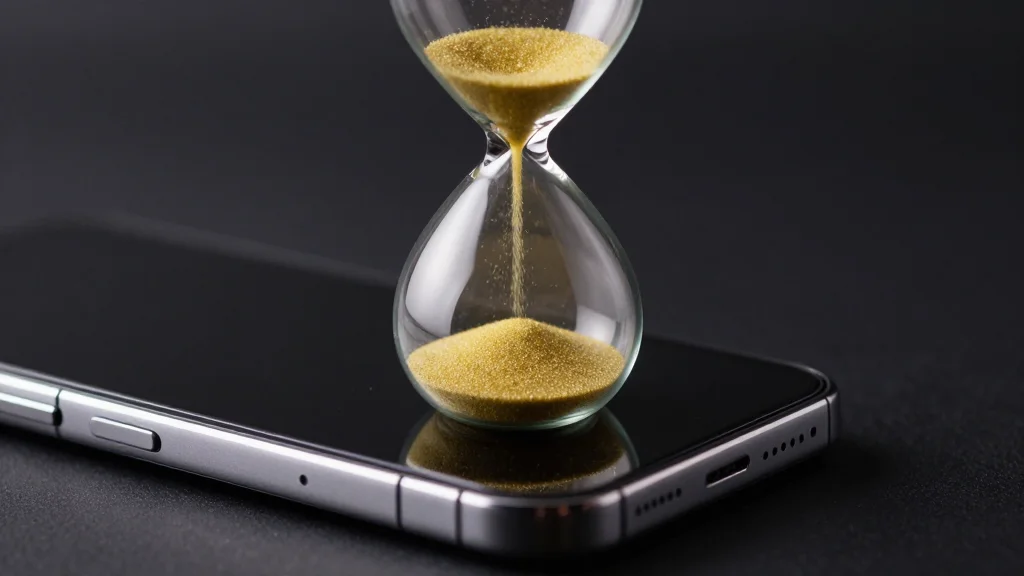
Saying No To New Gadgets Might Make Us Happier
Why It Matters
Frictionless e‑commerce fuels overconsumption, inflating waste and personal debt, while intentional pauses can improve financial health and overall well‑being.
Key Takeaways
- •One‑click ordering eliminates distance between desire and delivery
- •Free shipping removes physical effort of pickup
- •Deferred payments erase immediate cash constraints
- •Pausing purchases encourages long‑term value assessment
Pulse Analysis
The rise of frictionless commerce has reshaped consumer expectations. One‑click checkout, same‑day delivery, and buy‑now‑pay‑later options compress the decision timeline from weeks to seconds, turning desire into ownership almost instantly. This shift is driven by platform economies that profit from higher transaction volumes, and by consumer psychology that rewards immediate gratification. As a result, the traditional “new‑thing gap” that once acted as a natural filter has largely disappeared, prompting a surge in impulse purchases across categories from smartphones to smart home devices.
Beyond the convenience factor, the erosion of purchase friction carries broader economic and psychological costs. Over‑acquisition contributes to mounting household debt, as deferred‑payment models mask the true cost of ownership. Simultaneously, the constant influx of new gadgets fuels a culture of disposability, increasing electronic waste and environmental strain. Studies link frequent, unplanned buying to reduced life satisfaction, suggesting that the dopamine spikes of instant acquisition are short‑lived and may erode long‑term happiness. By re‑introducing a pause—whether through a waiting period or a cost‑benefit checklist—consumers can better align purchases with genuine needs and values.
Athas’s call to “say no” offers a practical framework for reclaiming that pause. Consumers can set personal rules, such as a 30‑day waiting period before any non‑essential purchase, or use budgeting apps that flag impulse buys. Meanwhile, retailers have an opportunity to design friction that adds value—offering extended trial periods, transparent total‑cost breakdowns, or curated recommendation engines that prioritize longevity over novelty. By balancing speed with deliberation, the market can sustain growth while supporting healthier spending habits and a more sustainable product lifecycle.
Saying No To New Gadgets Might Make Us Happier
Comments
Want to join the conversation?
Loading comments...