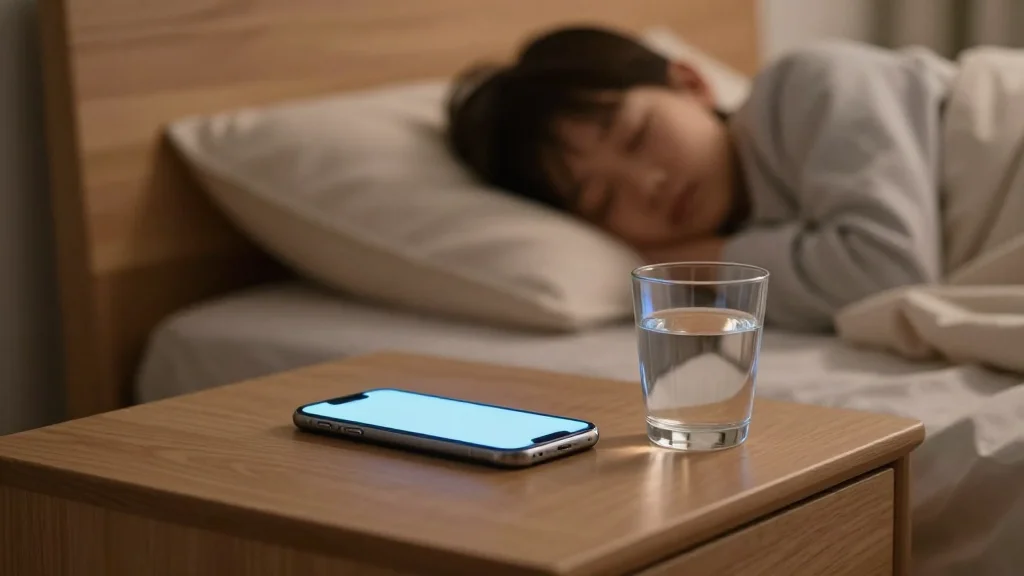
Screens Can Be Part of a Child's Healthy Bedtime Routine, Study Shows
Companies Mentioned
Why It Matters
The findings challenge the blanket recommendation to eliminate screens before sleep, giving parents evidence‑based flexibility while still emphasizing monitoring for extreme usage patterns. This nuance could reshape pediatric sleep guidance and consumer tech design for bedtime use.
Key Takeaways
- •Screen use may delay bedtime but not sleep quality
- •Active and passive screen activities show similar sleep impact
- •Individual child factors outweigh screen type in sleep outcomes
- •Extreme, late‑night screen sessions remain detrimental
Pulse Analysis
Recent research on bedtime screen habits is prompting a rethink of long‑standing sleep hygiene rules. For decades, health authorities have urged families to power down devices at least an hour before lights out, citing studies that linked blue‑light exposure to melatonin suppression. The Deakin‑University of Queensland meta‑analysis, however, aggregates data from over four thousand young people and reveals a more nuanced picture: modest increases in nightly screen time shift sleep onset by only a few minutes and leave overall sleep duration and efficiency largely unchanged. This suggests that the physiological disruption may be less severe than previously thought, especially when screen use is moderate and not habitually late.
For parents, the practical takeaway is to focus on patterns rather than absolute screen bans. Children who use devices to unwind—whether watching a show or scrolling social feeds—may still achieve restorative sleep if the activity does not extend into the early morning hours or become a chronic habit that crowds out other wind‑down routines. Pediatricians can now advise a personalized approach, assessing each child’s circadian rhythm, underlying health conditions, and overall daily screen exposure. This flexibility can reduce family conflict around bedtime while still safeguarding against the well‑documented risks of excessive screen time, such as attention issues and obesity.
The study also opens avenues for tech developers and health‑tech firms to innovate bedtime‑friendly features. Adaptive brightness controls, blue‑light filters, and content curated for relaxation could be marketed as sleep‑supportive tools, aligning product design with emerging scientific insights. Meanwhile, researchers are urged to explore long‑term outcomes, including mental health and academic performance, to determine whether the short‑term sleep neutrality observed today translates into broader wellbeing benefits. As the dialogue evolves, stakeholders across healthcare, parenting, and technology will need to balance evidence‑based flexibility with vigilance against extreme usage patterns.
Screens can be part of a child's healthy bedtime routine, study shows
Comments
Want to join the conversation?
Loading comments...