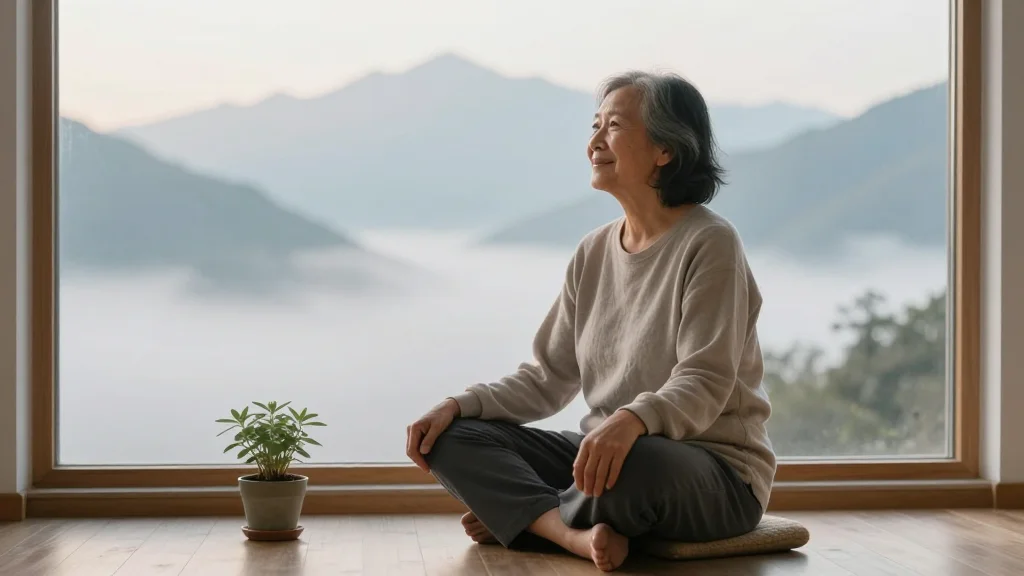
Self‑Compassion Helps Nepal’s Elderly Manage Chronic Illness, Study Finds

Why It Matters
The study spotlights a low‑cost, culturally adaptable tool for managing chronic disease—a leading cause of disability worldwide. By demonstrating that self‑compassion can improve adherence, mental health, and social participation among seniors, the research offers policymakers a non‑pharmacological lever to reduce health system strain and enhance quality of life for aging populations. In the broader wellness industry, the findings could catalyze new product and service offerings, from guided meditation apps tailored to older adults to community‑based workshops that teach self‑compassion techniques. As the global population ages, scalable interventions that address both physical and emotional dimensions of health will become increasingly critical.
Key Takeaways
- •15 older adults in Kathmandu participated in in‑depth interviews.
- •Self‑kindness, common humanity, and mindfulness emerged as key themes.
- •Participants reported reduced stress and better medication adherence.
- •Study highlights a gap in Nepalese research on self‑compassion for seniors.
- •Authors plan a larger trial to test a brief self‑compassion intervention.
Pulse Analysis
The Kathmandu study arrives at a moment when the wellness market is pivoting toward evidence‑based, mental‑emotional interventions that can be delivered at scale. Historically, self‑compassion has been championed in Western psychotherapy, but its translation to low‑resource settings has been limited. This research bridges that divide, showing that the core principles of self‑compassion are not culturally bound but can be contextualized within Nepali notions of community and familial care.
From a competitive standpoint, the findings could disrupt traditional senior‑care models that rely heavily on medication and physical therapy. Companies that develop digital health platforms may see an opportunity to embed self‑compassion modules—short audio‑guided practices, reflective journaling prompts, or peer‑support circles—into existing chronic‑disease management suites. Such integrations would differentiate offerings in a crowded market and align with insurers’ growing interest in preventive, cost‑saving interventions.
Looking ahead, the planned randomized trial will be a litmus test for scalability. If the brief intervention demonstrates measurable health outcomes, it could attract funding from global health agencies and open pathways for public‑private partnerships. For the wellness sector, the study underscores a broader trend: the convergence of mental‑emotional resilience techniques with chronic‑disease care, a synergy that promises to reshape how we define and deliver health in the aging era.
Self‑Compassion Helps Nepal’s Elderly Manage Chronic Illness, Study Finds
Comments
Want to join the conversation?
Loading comments...