Sleep Health: Circadian Rhythms and Sleep Disorders 101
Why It Matters
Undiagnosed sleep disorders drive preventable health costs, reduced productivity, and higher accident rates, making early detection and effective treatment a public‑health priority.
Key Takeaways
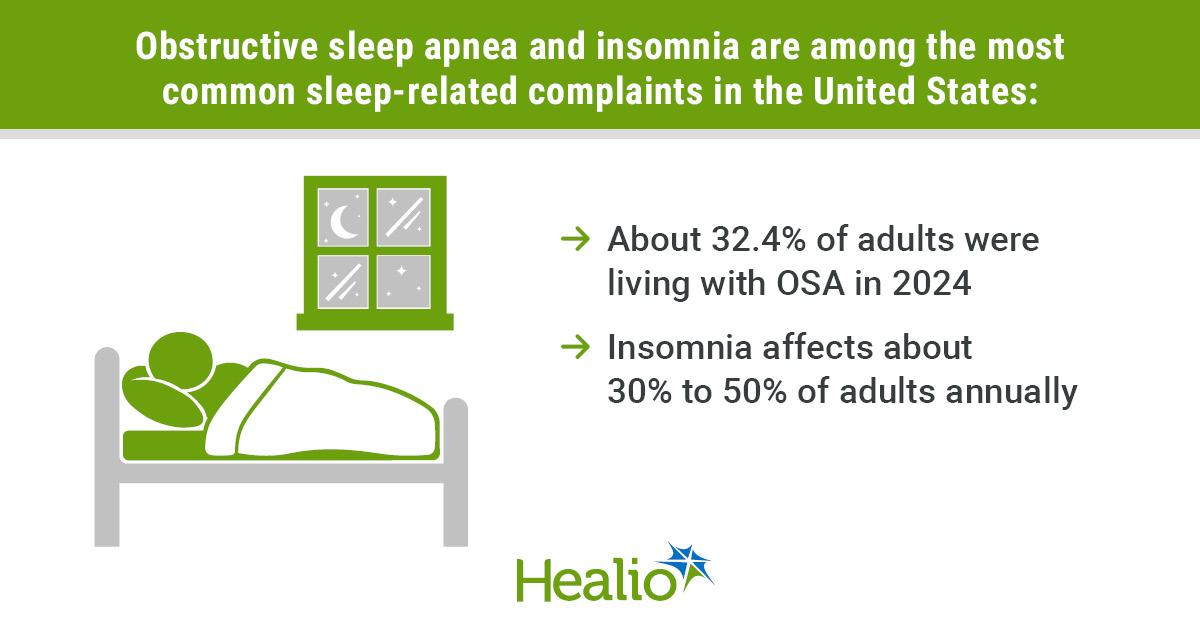
- •83.7 million U.S. adults (32.4%) have obstructive sleep apnea.
- •80% of OSA cases remain undiagnosed or untreated.
- •Insomnia affects 30‑50% of adults; women twice as often as men.
- •Behavioral therapies like CBT‑I can treat most insomnia patients.
- •Alcohol shortens sleep onset but disrupts REM and worsens OSA.
Pulse Analysis
Sleep disorders have moved from a niche concern to a mainstream health crisis. Recent systematic reviews estimate that one‑third of U.S. adults live with obstructive sleep apnea, a condition linked to endothelial damage, hypertension, and cognitive decline. Insomnia, affecting up to half of the adult population, carries comparable risks for depression, diabetes, and workplace accidents. Together, these disorders generate billions in direct medical expenses and indirect costs from lost productivity, underscoring the urgency for systematic screening in primary‑care settings.
The therapeutic landscape is evolving rapidly. Cognitive‑behavioral therapy for insomnia (CBT‑I) now dominates first‑line care, delivering durable improvements without the side‑effects of traditional hypnotics. Digital platforms and telehealth have expanded access, allowing clinicians to prescribe brief behavioral interventions remotely. Meanwhile, dual‑receptor orexin antagonists provide a safer pharmacologic alternative for patients who cannot achieve remission through behavior alone. These advances promise to close the treatment gap that leaves roughly 80% of OSA patients and many insomniacs without adequate care.
Clinicians play a pivotal role in breaking the cycle of under‑reporting. Routine sleep questionnaires during annual exams can surface hidden disorders, while patient education about the pitfalls of alcohol as a sleep aid can prevent exacerbation of OSA and REM fragmentation. Referral networks that include sleep‑medicine specialists across neurology, psychiatry, and pulmonology ensure comprehensive management. As the evidence base grows, integrating sleep health into broader lifestyle‑medicine strategies will be essential for reducing chronic disease burden and enhancing overall population well‑being.
Sleep health: Circadian rhythms and sleep disorders 101
Comments
Want to join the conversation?
Loading comments...