Sports Need Better Game-Day Mental Health Protocols to Protect Athletes – Here’s How
Why It Matters
In‑game mental‑health emergencies threaten player safety and team performance, and inadequate protocols expose leagues to reputational and legal risk. Implementing clear procedures aligns sport with broader health standards and reinforces athlete wellbeing.
Key Takeaways
- •AFL player’s on‑field mental health episode exposes protocol gaps
- •Physical injury rules exist; mental health guidelines during play are missing
- •Team psychologists on site could enable rapid assessment and safe removal
- •Media must follow mental‑health reporting guidelines to avoid harmful speculation
Pulse Analysis
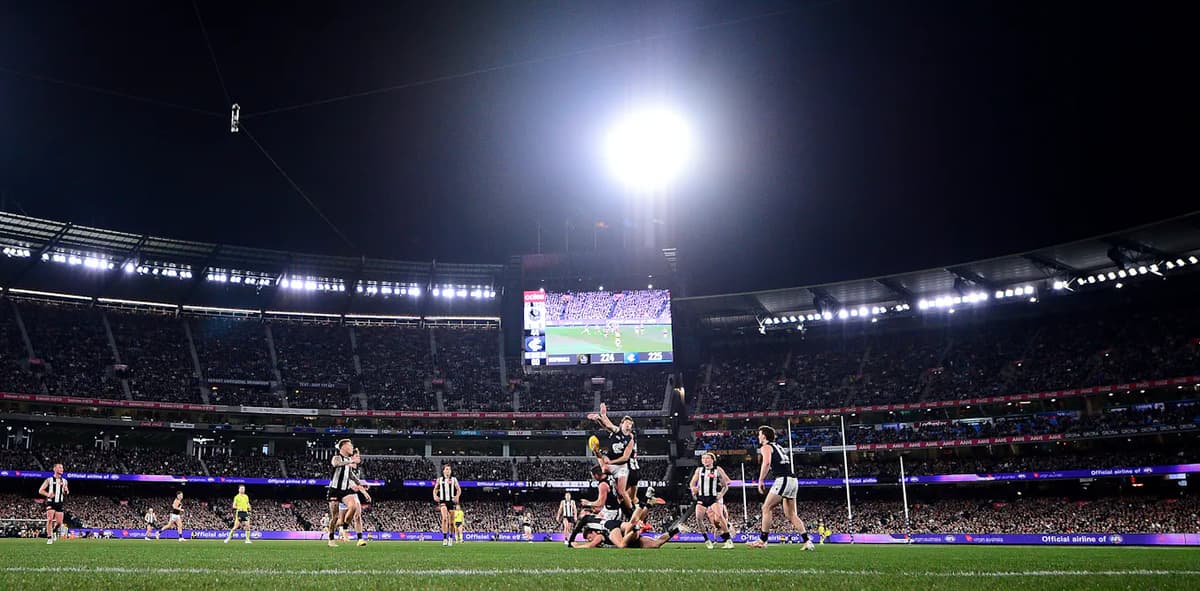
The visibility of mental‑health challenges in elite sport has grown, but most policies still concentrate on support before and after competition. The AFL incident involving a player’s on‑field crisis highlights a blind spot: athletes can experience acute psychological distress while the game is in progress, yet existing frameworks lack real‑time response mechanisms. Research shows that elite athletes face heightened anxiety, depression, and burnout due to performance pressure, making immediate intervention essential for safety and performance continuity.
Physical injury protocols—such as concussion assessments and spinal injury checks—are ingrained in every major sport, offering clear steps for evaluation, removal, and return‑to‑play. Replicating this model for mental health would require on‑site mental‑health professionals, standardized observation checklists, and predefined criteria for temporary withdrawal. Team psychologists familiar with individual baselines could quickly identify warning signs, coordinate with medical staff, and ensure the athlete receives appropriate care without stigmatizing the episode. Training coaches and support staff to recognize distress cues would further embed mental‑health vigilance into the game’s culture.
The media’s role amplifies the impact of such incidents. While athlete disclosures can destigmatize mental illness, speculative commentary risks exacerbating distress and spreading misinformation. Adhering to established reporting guidelines—similar to those for suicide and crisis coverage—protects the individual and promotes informed public dialogue. By integrating robust in‑game mental‑health protocols and responsible journalism, sporting bodies can safeguard athletes, preserve competitive integrity, and set a precedent for health‑first governance across the industry.
Sports need better game-day mental health protocols to protect athletes – here’s how
Comments
Want to join the conversation?
Loading comments...