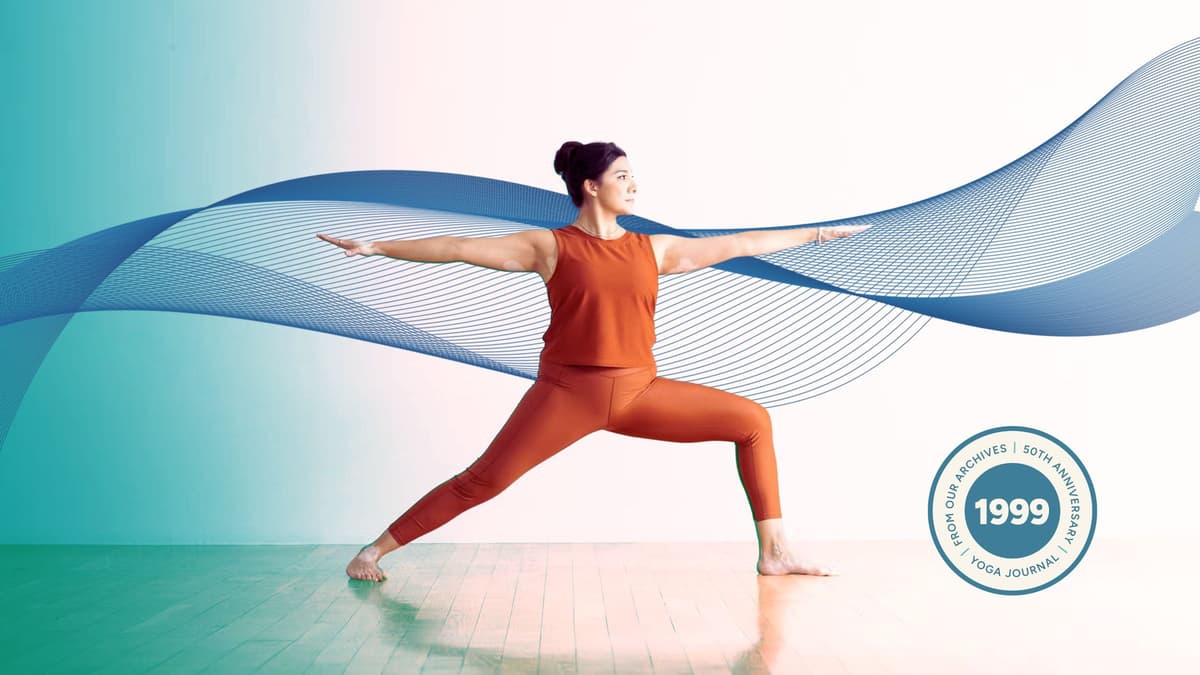
Struggling in Warrior 2? Here’s How to Work With Gravity Instead of Against It.
Why It Matters
Understanding and applying the yield principle transforms Warrior II from a static stretch into a dynamic, injury‑preventive practice, boosting client outcomes and studio credibility in the competitive wellness market.
Key Takeaways
- •Yielding in Warrior II enhances joint stability and blood flow.
- •Prop posture creates muscle tension, restricting breath and increasing fatigue.
- •Collapse leads to sagging, reduced support, and potential injury.
- •Balanced gravity use extends pose duration with less effort.
- •Practicing yield trains body to sync breath with skeletal alignment.
Pulse Analysis
Yoga’s modern resurgence has sparked a deeper inquiry into how ancient postures interact with fundamental forces like gravity. Warrior II, a staple in most classes, offers a vivid laboratory for this exploration. By treating the pose as a dialogue between the body and the earth, instructors can move beyond aesthetic alignment and address the physiological underpinnings of stability, breath, and circulation. This perspective aligns with contemporary wellness trends that prioritize functional movement and injury prevention, positioning yoga as both a meditative and biomechanical practice.
The article delineates three relational modes: collapse, prop, and yield. Collapse—characterized by sagging muscles and shallow breathing—reduces skeletal support and hampers synovial and lymphatic flow. Prop, the opposite extreme, forces the body into hyper‑tonic tension, constricting the diaphragm and accelerating fatigue. Yield, the optimal middle ground, invites the practitioner to trust the earth’s support, allowing muscles to settle into balanced tone while the breath centers in the torso. This state promotes rhythmic fluid exchange, smoother force transmission through bones, and a more sustainable hold, directly translating to improved joint health and performance.
For studios and wellness brands, teaching the yield principle offers a tangible differentiator. Clients increasingly seek evidence‑based practices that deliver measurable benefits, such as reduced injury rates and enhanced mobility. Incorporating yield‑focused cues into class curricula can boost retention, attract health‑conscious demographics, and justify premium pricing. Moreover, the concept dovetails with corporate wellness programs that emphasize ergonomic movement and stress reduction, opening new partnership avenues and revenue streams in a rapidly expanding market.
Struggling in Warrior 2? Here’s How to Work With Gravity Instead of Against It.
Comments
Want to join the conversation?
Loading comments...