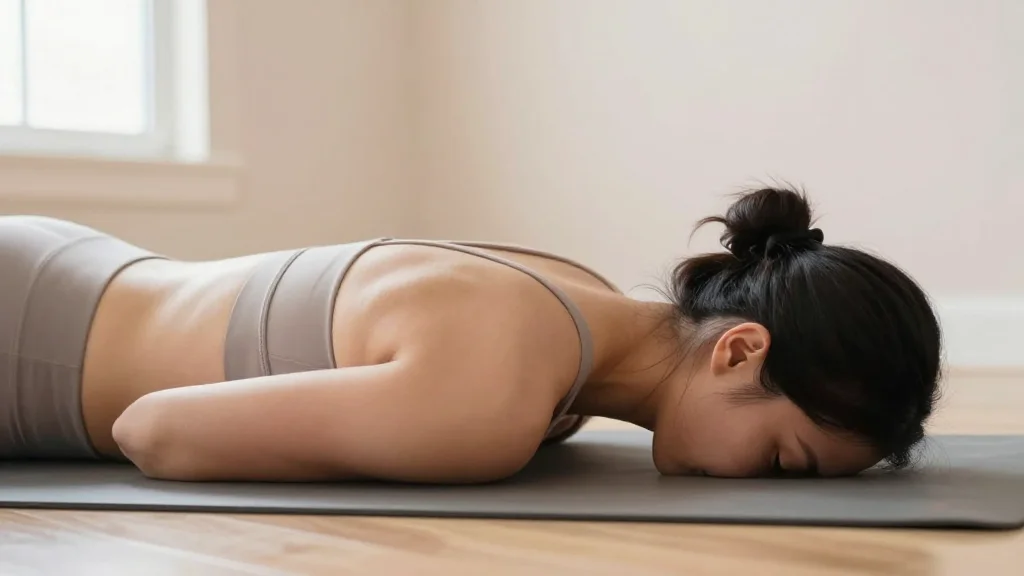
Struggling With Tight Shoulders? Here’s the Stretching and Strengthening You Need.
Why It Matters
Tight shoulders limit daily function and increase injury risk, so accessible yoga solutions can improve posture, productivity, and overall musculoskeletal health. The guidance also supports the growing corporate wellness market seeking low‑cost, evidence‑based interventions.
Key Takeaways
- •Half Dog Pose improves shoulder flexion and upper‑back mobility
- •Downward‑Facing Dog opens chest, stretches shoulder girdle effectively
- •Half Headstand builds shoulder stability while lengthening spine
- •Scapular awareness is key to full range of shoulder motion
- •External rotation enables safe flexion and abduction movements
Pulse Analysis
Shoulder discomfort is a silent productivity killer in modern office environments, where prolonged desk work forces the scapulae into a forward‑rounded position. By understanding the biomechanics—how the scapula, clavicle, and humerus interact—employees can target the root causes of tightness rather than merely treating symptoms. Yoga’s emphasis on mindful alignment offers a practical framework: moving the scapulae away from the spine restores the joint’s natural glide, while external rotation prepares the humeral head for full flexion and abduction. Integrating these principles into brief, daily routines can reduce musculoskeletal strain and lower the risk of chronic injury.
The article’s four core poses translate complex anatomical concepts into actionable steps. Half Dog Pose leverages a wall to gently coax the shoulders into extension, simultaneously stretching the thoracic spine. Downward‑Facing Dog creates an inverted “V” that opens the chest and lengthens the latissimus, promoting scapular depression and external rotation. The Half Headstand adds an element of strength, demanding shoulder girdle stability while encouraging spinal elongation. Each pose includes beginner modifications and progressive variations, making them suitable for a wide range of fitness levels and office settings.
Beyond individual health, these yoga‑based interventions align with broader corporate wellness trends. Companies are investing in low‑cost, evidence‑based programs that boost employee well‑being and reduce absenteeism. By offering short, equipment‑free stretches that can be performed at a desk or in a break room, organizations can address a common ergonomic issue without extensive infrastructure. The article thus serves as both a practical guide for personal shoulder care and a strategic resource for businesses aiming to enhance workforce resilience in an increasingly sedentary world.
Struggling With Tight Shoulders? Here’s the Stretching and Strengthening You Need.
Comments
Want to join the conversation?
Loading comments...