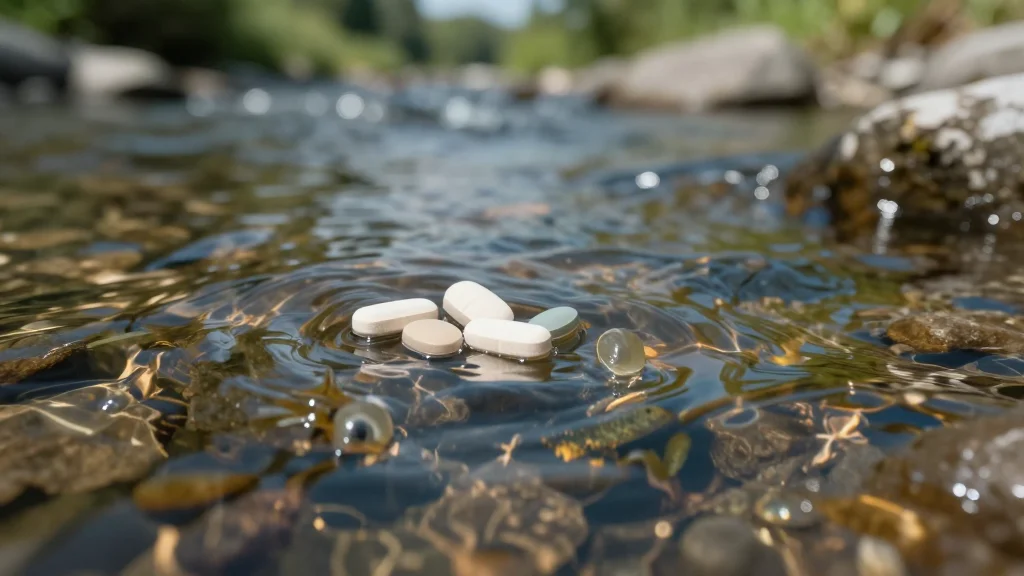
Study Finds Antidepressant Residues at Harmful Levels in US Waterways

Why It Matters
Pharmaceutical contamination bridges clinical wellness and environmental health, revealing that the very medicines used to treat mental illness can re‑enter ecosystems and potentially affect human populations downstream. The presence of antidepressants at toxic levels in drinking‑water sources raises questions about chronic low‑dose exposure and its subtle effects on mood, cognition, and endocrine function. Beyond individual health, the findings highlight systemic gaps in wastewater infrastructure. As prescription rates for antidepressants climb nationwide, untreated residues could become a pervasive pollutant, threatening biodiversity, disrupting food webs, and imposing new costs on water utilities. Addressing this issue will require coordinated action across public health, environmental regulation, and pharmaceutical manufacturing.
Key Takeaways
- •17 antidepressant drugs or metabolites detected downstream of NC wastewater plants
- •Up to 90% of consumed antidepressants are excreted unchanged into wastewater
- •Study screened 34 compounds, finding concentrations exceeding wildlife toxicity thresholds
- •Affected waterways provide drinking water, irrigation, and recreation for local communities
- •Researchers call for expanded global sampling and urgent development of remediation technologies
Pulse Analysis
The UNC study arrives at a moment when the wellness industry is grappling with the unintended consequences of its own growth. Antidepressant prescriptions have surged in the past decade, driven by greater awareness of mental health and broader diagnostic criteria. Yet the environmental externalities of that surge have remained largely invisible to consumers. By quantifying drug residues in rivers that feed directly into human water supplies, the research forces a reckoning: wellness cannot be isolated from ecological stewardship.
Historically, water‑treatment plants were designed to remove conventional pollutants—organic matter, pathogens, heavy metals—but not complex organic molecules like pharmaceuticals. Upgrading infrastructure is capital‑intensive, and many municipalities lack the budget or political will. However, the market for advanced treatment technologies is expanding, spurred by regulatory pressure in Europe and growing consumer demand for “clean water.” Companies that can deliver cost‑effective solutions stand to capture a new segment of the wellness‑related water market.
Looking ahead, the intersection of mental‑health medication use, environmental monitoring, and public‑policy will shape the next wave of wellness innovation. We may see a rise in “pharma‑free” water certifications, similar to existing organic or low‑phosphate labels, as well as increased investment in green chemistry to develop drugs that degrade more readily after excretion. For now, the study underscores that true wellness must encompass both the mind and the environment that sustains it.
Study Finds Antidepressant Residues at Harmful Levels in US Waterways
Comments
Want to join the conversation?
Loading comments...