Study Finds 'Ibasho' Community Belonging Boosts Disaster Mental Health Recovery

Why It Matters
The ibasho concept reframes mental‑health recovery from a purely clinical exercise to a socially anchored process, offering a low‑cost, culturally resonant pathway for disaster‑affected populations. By embedding belonging into the fabric of relief operations, agencies can address the root causes of psychological distress—social isolation, loss of routine, and erosion of identity—thereby reducing long‑term morbidity and health‑care expenditures. If validated, ibasho could become a cornerstone of wellness programming in humanitarian contexts, influencing policy guidelines from the World Health Organization to national disaster‑management agencies. Its emphasis on community ownership also aligns with broader trends toward participatory health models, where local stakeholders drive design and implementation, enhancing sustainability and trust.
Key Takeaways
- •Lancet correspondence (2026) by Juntendo University researchers highlights ibasho as vital for post‑disaster mental health.
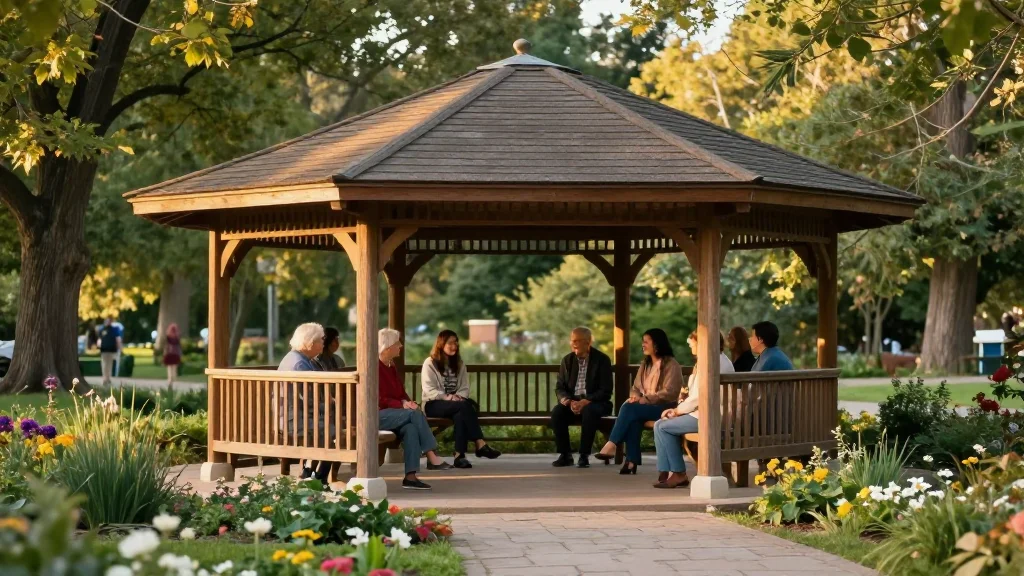
- •Ibasho defined as community‑led spaces that restore belonging, routine, and purpose.
- •Evidence from the 2011 Great East Japan Earthquake shows lower anxiety and faster dementia symptom stabilization where ibasho hubs existed.
- •Concept aligns with the Sphere humanitarian framework, meeting standards of dignity and continuity of care.
- •Planned multi‑site trial in 2027 aims to quantify ibasho’s impact on PTSD rates and health‑care costs.
Pulse Analysis
The ibasho framework arrives at a moment when the wellness industry is grappling with the limits of clinical‑only approaches in large‑scale crises. Historically, disaster mental‑health interventions have leaned on short‑term counseling and medication, often overlooking the chronic social dislocation that fuels long‑term distress. By foregrounding community belonging, ibasho taps into a growing body of evidence that social capital is a stronger predictor of resilience than any single therapeutic modality.
From a market perspective, the concept opens a niche for NGOs and private‑sector wellness firms to develop low‑tech, high‑impact solutions—think modular community centers, mobile gathering units, or digital platforms that map local support networks. Companies that can package ibasho‑aligned services—training local facilitators, designing adaptable spaces, or providing data‑driven impact assessments—stand to capture funding streams from both humanitarian donors and governments seeking cost‑effective mental‑health strategies.
Looking forward, the success of the upcoming 2027 trial could catalyze policy shifts, embedding ibasho into national disaster‑response frameworks and possibly influencing the next revision of the Sphere standards. If the data confirm reduced PTSD prevalence and lower health‑care utilization, ibasho may become a benchmark for measuring the social dimension of wellness in crisis settings, prompting a broader re‑evaluation of how we define recovery beyond the clinic walls.
Study Finds 'Ibasho' Community Belonging Boosts Disaster Mental Health Recovery
Comments
Want to join the conversation?
Loading comments...