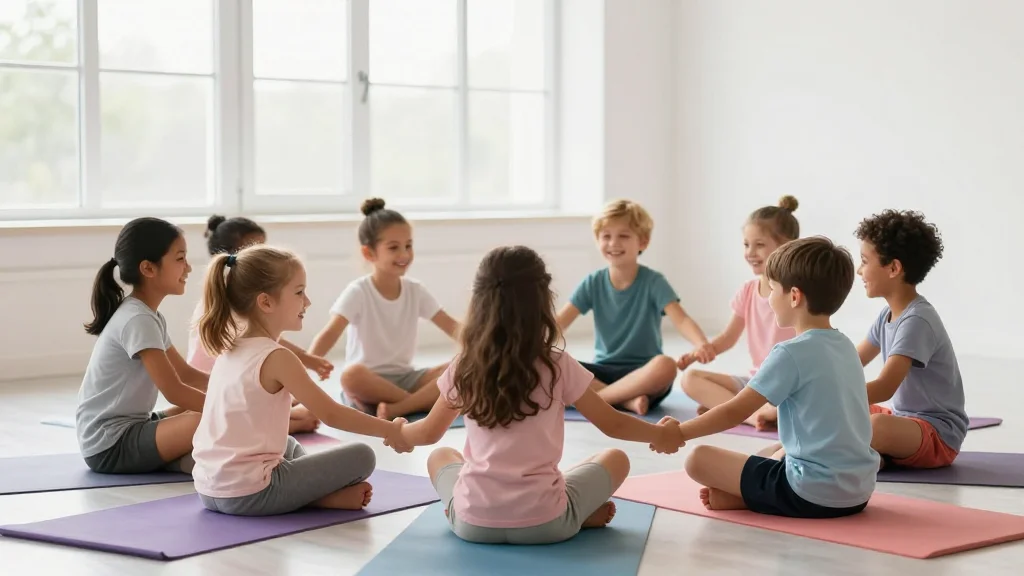
Study Finds Laughter Yoga Cuts Stress, Anxiety and Fatigue in 305 Children

Why It Matters
The findings matter because they validate a low‑cost, easily deployable intervention that can be embedded in everyday settings where children spend most of their time. With pediatric anxiety rates climbing to pre‑pandemic highs, schools and health systems are under pressure to find scalable solutions that do not rely on medication or intensive therapist time. Laughter yoga meets those criteria, offering measurable mental‑health benefits while also supporting physical health through improved immune function. Beyond immediate health outcomes, the study signals a shift toward evidence‑based, whole‑person approaches in child wellness. By demonstrating that a simple, structured activity can produce quantifiable physiological changes, the research encourages educators, clinicians and insurers to broaden their toolkit beyond traditional talk‑therapy and pharmacology, potentially reshaping funding priorities and curriculum standards nationwide.
Key Takeaways
- •Systematic review of 305 children across six studies shows significant reductions in stress, general anxiety, test anxiety and fatigue.
- •Physical health markers improved, including pain reduction and enhanced immune response.
- •Laughter yoga sessions involve guided breathing, rhythmic movement and intentional laughter, activating endorphin release.
- •Practice can be led by teachers, nurses or health practitioners, requiring minimal equipment and space.
- •Upcoming multi‑site randomized trial aims to validate findings across diverse populations and inform policy.
Pulse Analysis
The laughter‑yoga study arrives at a moment when the wellness industry is actively seeking scalable, data‑backed interventions for children. Historically, mind‑body practices have struggled to gain mainstream acceptance due to a lack of rigorous outcomes data. This review bridges that gap, providing a statistical backbone that could shift the conversation from anecdote to policy. For school districts, the cost advantage is striking: a single facilitator can run sessions for dozens of students with only a modest training investment, potentially offsetting rising expenditures on counseling services.
From a market perspective, the validation of laughter yoga opens a niche for digital platforms that can certify facilitators, track session metrics and integrate with existing health‑record systems. Companies that can bundle these capabilities with analytics dashboards will likely attract both public‑sector contracts and private‑sector wellness budgets. Moreover, insurers may view the practice as a preventive measure that could lower long‑term mental‑health claims, prompting reimbursement pilots.
Looking ahead, the key challenge will be scaling without diluting fidelity. The structured nature of laughter yoga is both its strength and a potential barrier; improper implementation could blunt outcomes and generate skepticism. Continued research, especially large‑scale randomized trials, will be essential to cement its place in the pediatric wellness arsenal. If the upcoming trials confirm the early promise, we could see laughter yoga embedded in national health guidelines, reshaping how schools and clinics address child stress and laying groundwork for a new era of evidence‑driven, whole‑health interventions.
Study Finds Laughter Yoga Cuts Stress, Anxiety and Fatigue in 305 Children
Comments
Want to join the conversation?
Loading comments...