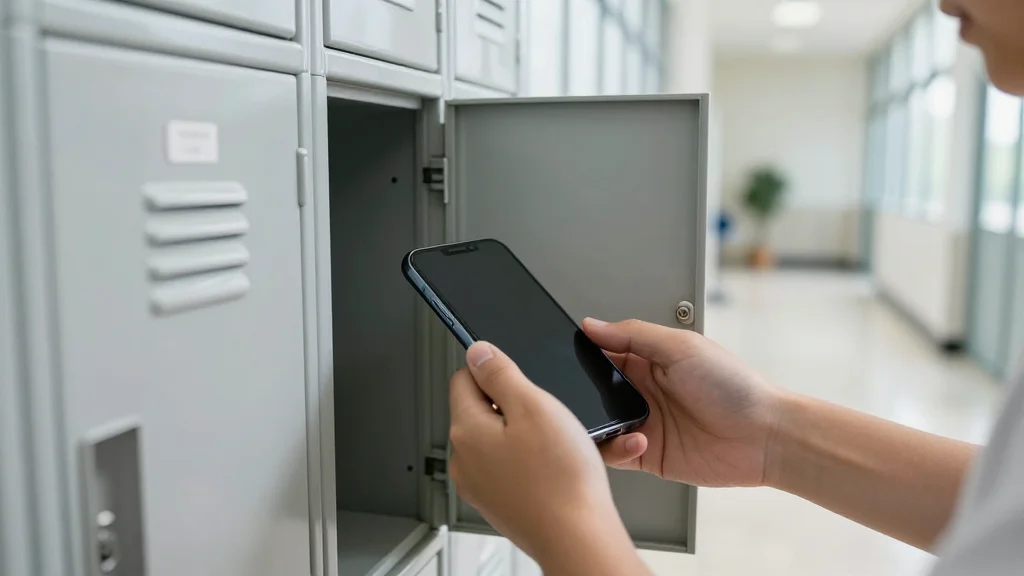
Study Finds School Phone Bans Boost Student Wellness, Not Grades
Why It Matters
The research provides empirical evidence that phone bans can enhance student well‑being, informing policymakers who must balance health outcomes with academic objectives. It also signals that statewide mandates may need complementary strategies to affect test scores.
Key Takeaways
- •Phone bans improve student self‑reported wellness over time
- •Test scores show negligible change after implementing bans
- •Pennsylvania debates statewide ban with medical and special‑education exemptions
- •Study analyzed 40,500 schools (2019‑2026) using lockable phone pouches
- •First year sees 30% fewer pings and 80% drop in use
Pulse Analysis
The debate over school‑day cellphone restrictions has intensified as Pennsylvania lawmakers consider a statewide "bell‑to‑bell" ban. The proposal, slated for implementation by the 2027‑28 academic year, would require every public and private school to secure student devices, with limited exemptions for medical conditions and individualized education plans. This legislative push arrives alongside a comprehensive NBER working paper that surveyed more than 40,500 schools over a seven‑year span, offering the most extensive data set on the topic to date. By quantifying a 30% reduction in on‑campus phone pings and an 80% decline in teacher‑observed usage, the study provides concrete evidence of policy efficacy in curbing distractions.
Beyond raw usage metrics, the research highlights a nuanced impact on student well‑being. Participants reported an initial dip in mental health during the first year of the ban, followed by a rebound that resulted in net positive wellness scores in subsequent years. This adaptation curve mirrors earlier findings on social‑media deactivation, suggesting that removing constant digital connectivity can foster longer‑term psychological benefits. However, the study also notes that academic outcomes remain largely unchanged, with test scores hovering near zero effect, aside from modest gains in high‑school math and slight declines in middle‑school performance. The mixed results imply that while phone bans alleviate certain distractions, they may shift focus to other devices or require additional classroom management resources.
For educators and policymakers, the implications are clear: phone bans can be a valuable tool for improving student mental health, but they are not a silver bullet for academic achievement. Successful implementation may require complementary measures such as digital literacy curricula, teacher training on enforcement, and broader screen‑time policies that address laptops and tablets. As Pennsylvania navigates the legislative process, stakeholders will likely weigh the health advantages against the modest academic returns, shaping a nuanced approach that could serve as a model for other states grappling with the same dilemma.
Study Finds School Phone Bans Boost Student Wellness, Not Grades
Comments
Want to join the conversation?
Loading comments...