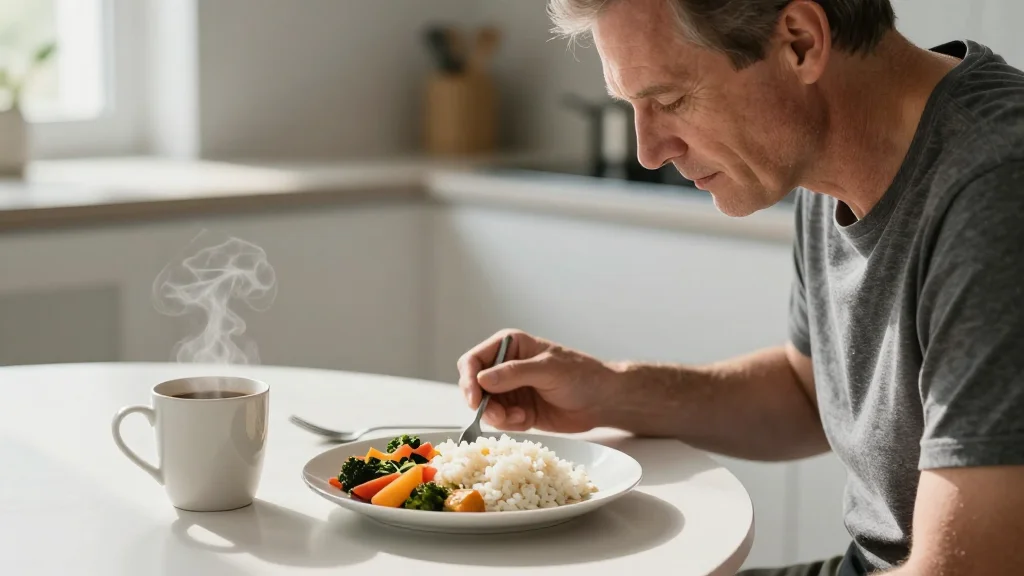
Study Links Solo Dining to 38% Higher Depression Risk, Men Most Affected

Why It Matters
The study spotlights a hidden driver of mental‑health decline in modern societies where single‑person households are expanding rapidly. By quantifying the impact of solo dining, it provides a concrete target for public‑health campaigns and wellness businesses seeking to curb depression rates. Moreover, the gender‑specific findings suggest that men may require tailored outreach, challenging the one‑size‑fits‑all approach that dominates many mental‑health initiatives. If policymakers and the wellness industry act on these insights—through community meal programs, nutrition‑focused services, and technology‑enabled shared dining—the potential to improve emotional well‑being for millions of adults is substantial. The research thus bridges epidemiology and practical intervention, offering a roadmap for reducing the societal burden of depression.
Key Takeaways
- •Study of 13,357 Korean adults links frequent solo meals to up to 38.5% of depressive symptom variance.
- •Men living alone face the highest depression risk across all age groups.
- •Solo eaters consume fewer vegetables, fish and fruits, compounding mental‑health risks.
- •Single‑person households account for 34.5% of Korean homes in 2023; projected 40% by 2050.
- •Researchers call for community‑based dining and nutrition interventions to address the issue.
Pulse Analysis
The Korean study arrives at a moment when the wellness sector is grappling with the mental‑health fallout of demographic change. Historically, public‑health messaging has focused on diet quality and physical activity; this research adds a social dimension, suggesting that the act of eating together is itself a therapeutic behavior. Companies that have traditionally marketed meal kits for convenience may need to pivot toward solutions that foster connection—think shared‑prep experiences or subscription services that pair meals with virtual dining rooms.
From a policy perspective, the findings could reshape how governments allocate mental‑health resources. Current programs often target high‑risk groups based on income or chronic disease; incorporating social eating patterns expands the risk matrix to include lifestyle habits that are easier to modify. Pilot programs in urban districts that provide communal kitchens or subsidized group meals could serve as testbeds, generating data on cost‑effectiveness and scalability.
Looking forward, the intersection of technology and social eating offers fertile ground for innovation. Platforms that enable real‑time video dining, AI‑curated group menus, or gamified community meals could mitigate isolation while preserving the convenience that drives solo dining. If these solutions prove effective, they could redefine wellness strategies, positioning shared meals as a cornerstone of mental‑health prevention in an increasingly solitary world.
Study Links Solo Dining to 38% Higher Depression Risk, Men Most Affected
Comments
Want to join the conversation?
Loading comments...