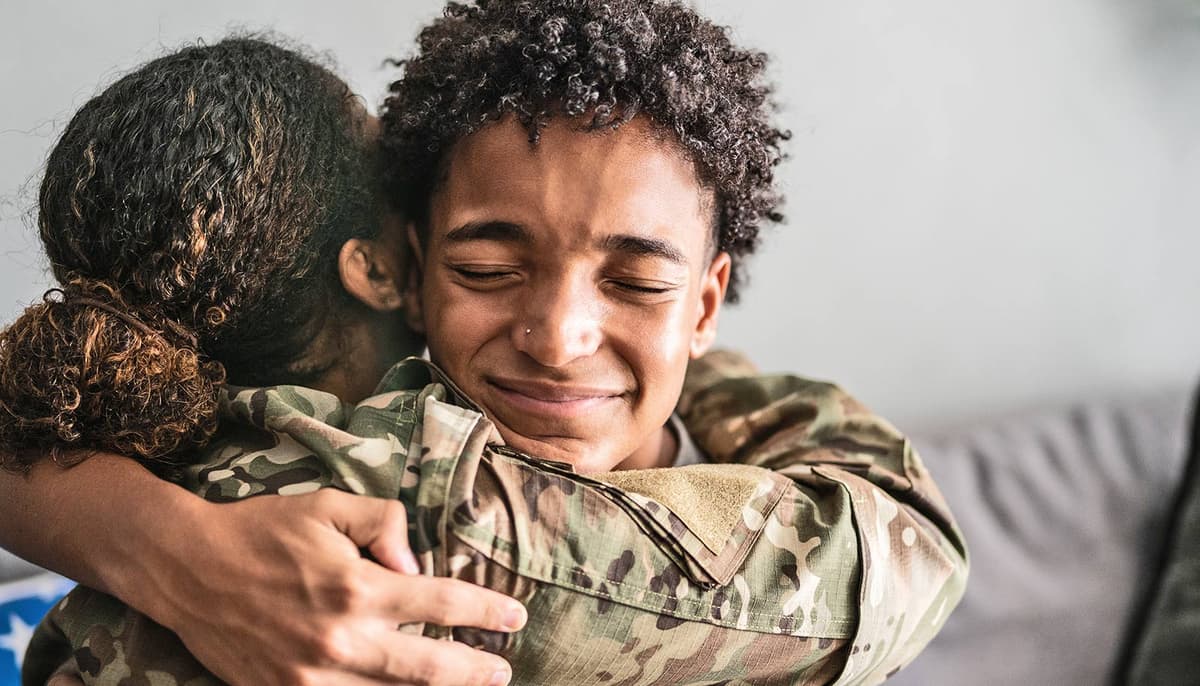
Support for Youth in Military Families Can Boost Mental Health
Why It Matters
By highlighting the protective role of relationships, the study gives educators, military support services, and policymakers concrete leverage to reduce mental‑health risks among a highly mobile population.
Key Takeaways
- •65% of military teens cite peers as top non‑family support
- •Over 50% name mothers as primary familial support source
- •Strong relationships boost adaptive coping, reducing depression symptoms
- •Higher coping correlates with greater school engagement and self‑efficacy
- •Extracurricular activities are recommended to build supportive networks
Pulse Analysis
Military families face a unique set of stressors—deployments, relocations, and the uncertainty that comes with service life. Adolescents in these households often grapple with disrupted social circles and limited continuity in schooling, which can erode emotional stability. The University of Georgia’s large‑scale survey provides a data‑driven snapshot of how these pressures manifest, revealing that more than a thousand teens experience heightened anxiety when their support networks fracture. By quantifying the prevalence of these challenges, the study underscores the urgency for targeted mental‑health interventions within the military community.
The research pinpoints two critical sources of resilience: peer relationships and maternal support. Approximately two‑thirds of respondents identified friends or romantic partners as their primary non‑family anchor, while over half leaned on mothers for familial stability. These connections facilitate adaptive coping—behaviors like proactive problem‑solving and self‑reliance—that directly correlate with lower depressive symptoms and higher academic engagement. In essence, when adolescents repeatedly encounter role models who demonstrate healthy stress management, they internalize those strategies, fostering a sense of self‑efficacy that buffers against the turbulence of military life.
For practitioners, the implications are clear. Schools on or near bases should prioritize inclusive extracurricular programs that encourage peer bonding, while military family assistance offices can develop mentorship initiatives linking youth with supportive adults beyond the household. Parents are urged to actively participate in community activities, creating shared experiences that reinforce familial ties. By integrating these relational scaffolds into existing support structures, stakeholders can transform the transient nature of military upbringing into an environment where mental‑health outcomes improve and long‑term resilience flourishes.
Support for youth in military families can boost mental health
Comments
Want to join the conversation?
Loading comments...