Symptoms of Early Dementia Reversed by Bespoke Treatment Plans
Why It Matters
If scalable, these protocols could reduce the burden of dementia on patients, families, and healthcare systems, and open a preventive pathway alongside pharmaceutical options.
Key Takeaways
- •Personalized assessments target mold, infections, hormonal deficits.
- •Tailored nutrition and lifestyle changes improved memory scores.
- •Early-stage dementia patients showed functional gains within months.
- •Approach complements drugs like lecanemab, offering non‑pharmacologic reversal.
Pulse Analysis
Dementia affects roughly 55 million people worldwide, with Alzheimer’s accounting for 60‑70 percent of cases. Traditional care focuses on symptom relief, relying on drugs that modestly slow progression. However, mounting evidence links modifiable factors—such as chronic infections, hormonal imbalances, and environmental toxins—to accelerated cognitive decline. This backdrop has driven researchers to explore non‑pharmacologic strategies that address the root causes of neuronal stress, positioning personalized medicine as a potential game‑changer in a field long dominated by palliative approaches.
The bespoke treatment model begins with a comprehensive assessment that screens for mold exposure, hidden infections, and micronutrient deficiencies. Once identified, clinicians prescribe targeted supplements, antimicrobial regimens, and lifestyle adjustments like diet optimization and indoor air remediation. In a recent pilot, participants receiving these individualized plans demonstrated statistically significant gains on standardized memory tests and reported improved daily functioning within three to six months. The mechanism appears twofold: reducing systemic inflammation and restoring metabolic pathways essential for synaptic health, thereby allowing the brain to recover functions previously masked by extrinsic stressors.
If larger trials confirm these findings, the implications for the healthcare market are profound. Insurers could favor cost‑effective, preventive protocols over expensive biologics, while biotech firms may pivot toward diagnostic kits that identify reversible risk factors. Moreover, caregivers and patients would gain agency through actionable interventions rather than passive reliance on medication. Scaling the model will require integrated data platforms, interdisciplinary teams, and reimbursement frameworks that recognize the long‑term savings of delayed institutionalization. As the industry grapples with an aging population, personalized, deficiency‑focused care could redefine how society manages early dementia, shifting the narrative from inevitable decline to modifiable outcomes.
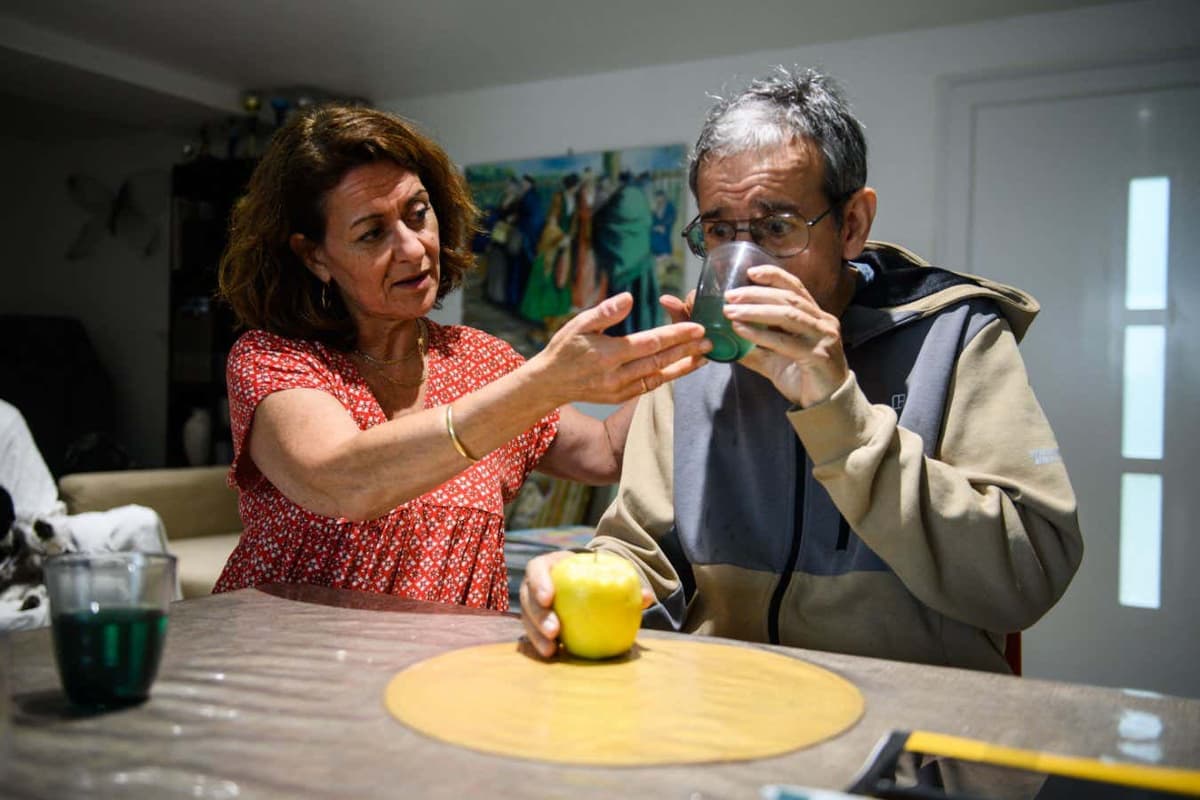
Symptoms of early dementia reversed by bespoke treatment plans
Comments
Want to join the conversation?
Loading comments...