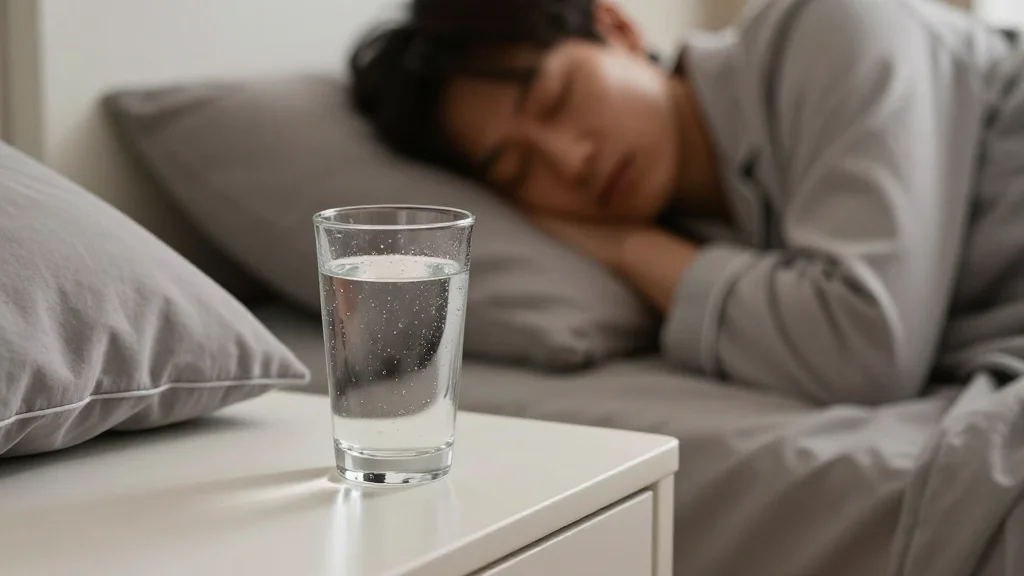
The #1 Sneaky Sleep Disruptor Isn’t Stress or Screens — It’s This
Why It Matters
Dehydration is an overlooked driver of poor sleep, affecting productivity, health outcomes, and the growing market for sleep‑aid products. Addressing fluid balance offers a low‑cost, evidence‑based lever for individuals and employers to enhance rest and recovery.
Key Takeaways
- •Mild dehydration lengthens sleep onset and reduces refreshment
- •25‑30% of adults are mildly dehydrated daily
- •Rehydration restores sleep latency and perceived restfulness
- •Dehydration disrupts neurotransmitters and circadian regulation
- •Front‑loading water intake improves sleep without nighttime bathroom trips
Pulse Analysis
Recent sleep research is shifting focus from screens and stress to a more fundamental factor: hydration. While most sleep‑tracking apps flag bedtime routines and blue‑light exposure, the study of 18 participants demonstrates that even a 1‑2% loss in body water can delay sleep onset and degrade perceived restfulness. The physiological link stems from dehydration‑induced spikes in heart rate and core temperature, as well as altered neurotransmitter activity in the hypothalamus, the brain hub that synchronizes circadian rhythms and fluid balance. By quantifying these effects, the findings give clinicians a concrete biomarker—urine specific gravity or body‑mass change—to assess sleep‑related fatigue beyond subjective reports.
For the wellness industry, the implications are twofold. First, wearable manufacturers can integrate hydration sensors to provide actionable alerts before bedtime, complementing existing sleep‑stage monitoring. Second, corporate wellness programs can incorporate water‑intake challenges, recognizing that improved sleep translates to higher cognitive performance and lower absenteeism. Sleep‑aid companies may also pivot from solely melatonin‑based formulations toward electrolyte‑infused drinks that support nocturnal recovery without triggering nocturia. As insurers increasingly tie reimbursement to preventive health metrics, hydration‑focused interventions could become a reimbursable service under chronic‑care management plans.
Practical steps for consumers are straightforward. Drinking the majority of daily water before mid‑afternoon, supplementing with sodium, magnesium, and potassium, and consuming water‑rich foods can maintain optimal fluid status. Avoiding large fluid volumes within two hours of bedtime reduces nighttime awakenings, while monitoring urine color offers a quick self‑check. Future research should expand sample sizes, explore age‑related hydration thresholds, and test whether chronic rehydration improves long‑term sleep architecture. Until then, a simple glass of water may be the most accessible sleep hack on the market.
The #1 Sneaky Sleep Disruptor Isn’t Stress or Screens — It’s This
Comments
Want to join the conversation?
Loading comments...