The Advancement of Holistic Mental Health Care and the Influence of Dr. Calynn Lawrence
Why It Matters
By closing access gaps and embedding trauma‑informed practices, Lawrence’s work can boost treatment rates for the 1‑in‑5 adults with mental illness, especially in marginalized groups, and push the health‑care system toward more equitable, holistic care.
Key Takeaways
- •Free resources and trainings target underserved communities nationwide
- •2026 Chicago breakfast raised funds for NAMI Illinois, expanding impact
- •Emphasizes trauma‑informed, whole‑person care over symptom‑only treatment
- •Highlights social determinants as core to mental‑health outcomes
- •Provides a replicable community‑education model for holistic health
Pulse Analysis
The rise of holistic mental health reflects a growing consensus that mental well‑being cannot be isolated from physical health, community context, and spiritual factors. Recent public‑health data show that over 20% of U.S. adults experience mental illness each year, yet only about half receive treatment, a disparity amplified by socioeconomic inequities and trauma exposure. Integrative psychiatry and trauma‑informed care have emerged as evidence‑based approaches that address these gaps, emphasizing safety, trust, and empowerment rather than solely symptom suppression. This paradigm shift creates fertile ground for organizations that blend education, cultural competence, and community outreach.
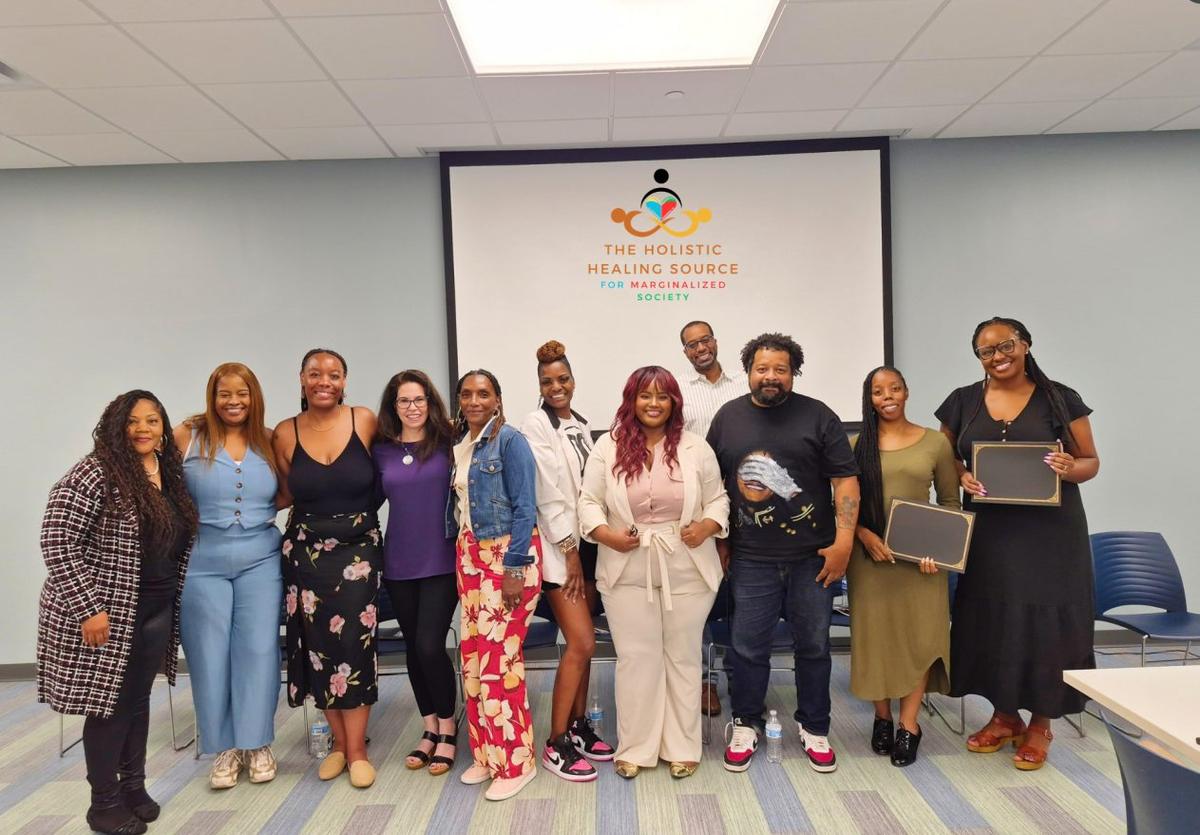
Dr. Calynn Lawrence’s Holistic Healing Source operationalizes this paradigm by delivering free digital content, affordable workshops, and in‑person events that translate research into actionable tools. The 2026 Free Community Mental Health Breakfast in the Chicagoland area illustrates the model’s impact: it gathered mental‑health professionals, advocates, and families in a welcoming setting, disseminated trauma‑aware practices, and generated several hundred dollars for NAMI Illinois. Such events demonstrate how education can serve as a preventive intervention, fostering resilience and reducing stigma while simultaneously supporting nonprofit partners that provide direct services.
For the broader mental‑health ecosystem, Lawrence’s approach offers a replicable template that aligns with policy trends prioritizing social determinants of health and community‑based care. Health systems seeking to improve equity can adopt similar low‑cost, high‑reach strategies—leveraging free resources, partnering with local organizations, and hosting inclusive events—to extend their footprint beyond clinical walls. As insurers and payers increasingly recognize the cost‑effectiveness of preventive, holistic interventions, models like the Holistic Healing Source are poised to influence funding allocations, workforce training, and ultimately, the standard of care for marginalized populations.
The Advancement of Holistic Mental Health Care and the Influence of Dr. Calynn Lawrence
Comments
Want to join the conversation?
Loading comments...