The Benefits of Frightening Activities Depend on What You Do Afterward, According to New Psychology Research
Why It Matters
The findings reveal that shared recreational fear can be a low‑cost tool for strengthening social ties, but only when followed by reflective interaction, informing designers of experiential entertainment and team‑building programs.
Key Takeaways
- •Shared fear in haunted houses boosts perceived closeness among participants
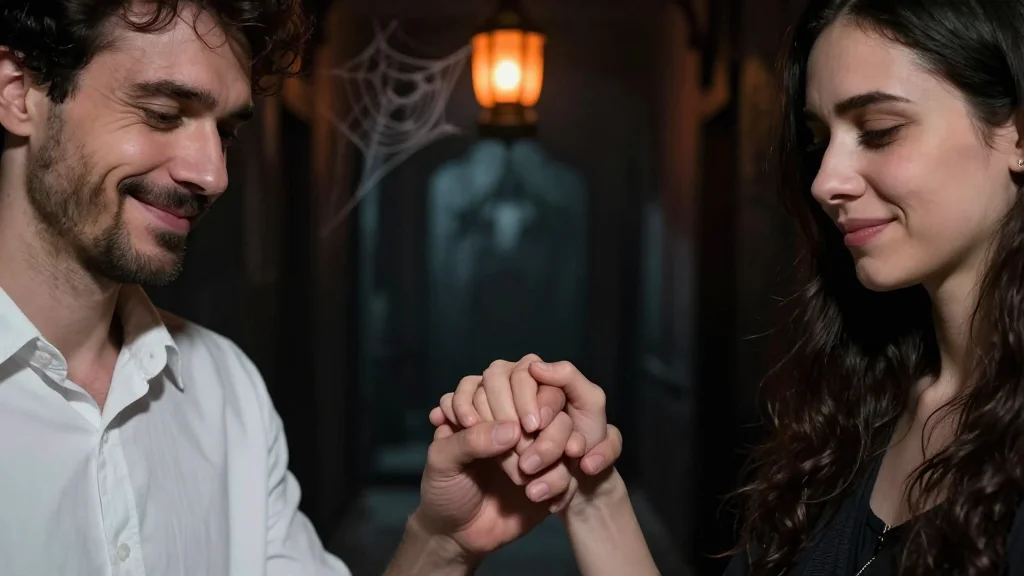
- •Physical contact and post‑experience conversation amplify the bonding effect
- •Even low‑intimacy dyads report increased connection after the scare
- •Measurable closeness rise is modest (0.21 points on 7‑point scale)
- •Without reflection, shared fear alone may not significantly strengthen relationships
Pulse Analysis
The psychology of fear has long been linked to group cohesion, but most research has focused on genuine threats or laboratory simulations. By turning the spotlight on recreational fear—specifically haunted‑house visits—this new study expands the conversation to everyday leisure activities that millions seek out each year. The researchers’ multi‑season approach, involving nearly 3,000 participants, provides robust evidence that the visceral arousal of fear, when shared, creates an immediate sense of unity, echoing classic findings on emotional contagion and synchronized physiological responses.
Beyond the initial adrenaline rush, the data highlight two critical moderators of the bonding process: physical contact and post‑experience reflection. Participants who held hands or engaged in conversation during the attraction reported higher perceived closeness, and only when they later discussed the experience did measurable shifts in relationship ratings emerge. This nuance offers actionable insight for businesses that design immersive experiences—from theme parks to corporate team‑building events—suggesting that structured debriefs or social spaces after the scare can convert fleeting excitement into lasting social capital.
The study also acknowledges its constraints, such as convenience sampling and a focus on a single type of attraction, which temper the generalizability of the results. Nevertheless, the implication is clear: shared, high‑arousal events can serve as low‑cost catalysts for relationship building, provided they are paired with intentional reflection. Future research that manipulates post‑event discussion could solidify causal pathways, while extending the paradigm to horror movies or extreme sports would broaden its relevance across the entertainment industry.
The benefits of frightening activities depend on what you do afterward, according to new psychology research
Comments
Want to join the conversation?
Loading comments...