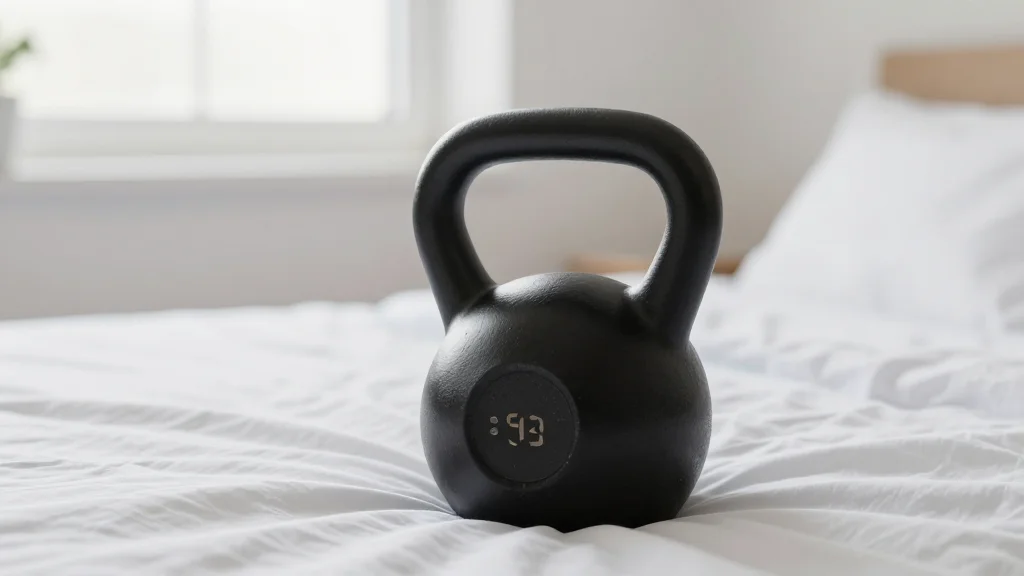
The Best Workouts For Restful Nights, Sleep Science Reveals
Why It Matters
Improving sleep through targeted workouts can lower risks of chronic diseases linked to poor rest, offering a low‑cost, scalable health intervention for an aging population. Fitness providers and health insurers can leverage these findings to design programs that boost both wellbeing and engagement.
Key Takeaways
- •Strength training yields the largest boost in sleep quality.
- •Aerobic sessions over 60 minutes also improve rest.
- •Combining sleep education with exercise amplifies benefits.
- •Two to three weekly strength workouts recommended for adults.
Pulse Analysis
Sleep quality deteriorates with age, contributing to a cascade of health issues from hypertension to cognitive decline. Recent research bridges a critical gap by quantifying how distinct exercise modalities affect nighttime rest. By isolating resistance work, cardio, and hybrid routines, the study provides evidence that not all workouts are equal for sleep health, empowering clinicians and policymakers to prescribe activity as a therapeutic tool rather than a generic recommendation.
The data reveal that resistance training—whether free weights, machines, or body‑weight circuits—produces the most pronounced improvement in sleep architecture, reducing insomnia symptoms and enhancing deep‑sleep phases. Aerobic exercise, particularly sessions lasting an hour or longer, also supports better rest, while yoga and Pilates offer modest gains through combined movement and mindfulness. Notably, participants who received structured sleep‑hygiene education alongside their workouts experienced an additive effect, underscoring the value of integrated lifestyle coaching.
For consumers, the practical takeaway is clear: schedule two to three strength‑focused sessions each week, targeting major muscle groups, and supplement with longer cardio bouts or low‑impact classes like yoga. Fitness brands can capitalize on this insight by marketing sleep‑optimized programs, while insurers may consider covering strength‑training memberships as preventive care. As the evidence base grows, aligning exercise prescriptions with sleep outcomes could become a cornerstone of holistic health strategies, driving better quality of life and reduced medical costs.
The Best Workouts For Restful Nights, Sleep Science Reveals
Comments
Want to join the conversation?
Loading comments...