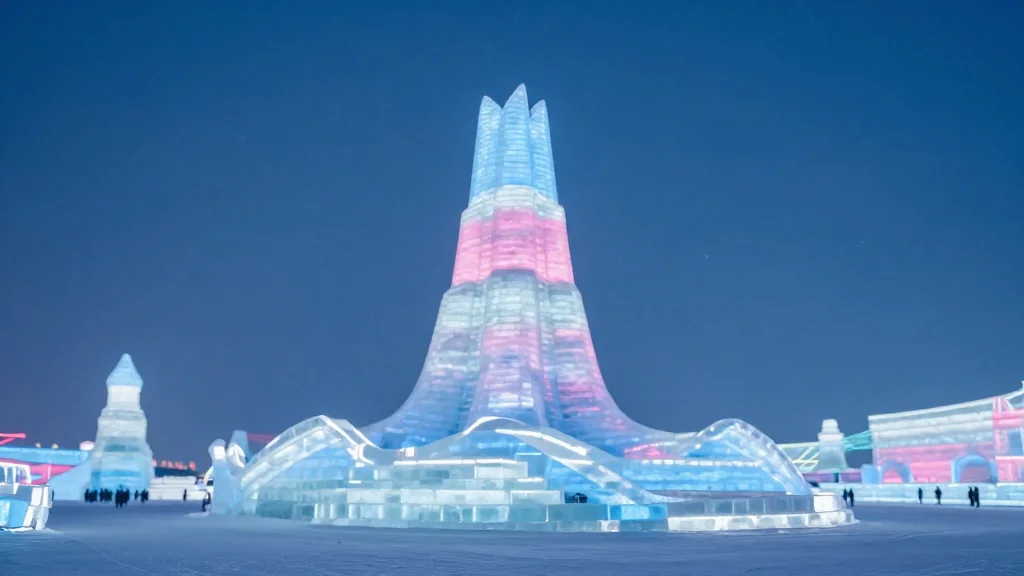
The Frozen ‘Ice City’ Home to the Most Likeable People on Earth
Companies Mentioned
Why It Matters
Harbin’s winter tourism boom fuels regional economic growth and positions China as a major player in the global cold‑weather destination market. The festival’s scale and spending power attract international visitors, boosting hospitality, retail, and transport sectors.
Key Takeaways
- •Harbin Ice Festival attracted 3.56 million visitors in 2024‑25
- •Festival generates $67 entry fee; total winter tourism hits 90 million travelers
- •Ice sculptures cover 1.2 million m², sourced from Songhua River ice
- •Winter activities range from ice‑car drifts ($28) to luxury ski resorts ($420)
- •Harbin’s cold‑climate branding drives year‑round tourism growth
Pulse Analysis
Harbin’s International Ice and Snow Festival has become a benchmark for large‑scale winter events, combining artistic ambition with commercial savvy. By converting river ice into sprawling galleries and neon‑lit wonderlands, the city creates a unique draw that rivals European snow festivals while keeping entry fees modest at about $67. The sheer volume of visitors—over 3.5 million in the latest season—translates into significant ancillary revenue for hotels, restaurants, and transport, reinforcing Harbin’s status as a winter tourism engine for China’s northeastern region.
Beyond the main park, Harbin offers a spectrum of cold‑weather experiences that cater to diverse budgets. Budget‑conscious travelers can drift a car across the frozen Songhua River for roughly $28, while affluent tourists can indulge in all‑inclusive ski packages at Sun Mountain Resort for around $420 a day. These tiered offerings, coupled with authentic homestays in Yabuli town at $28 per night, illustrate how the city leverages its icy climate to create a layered tourism ecosystem that competes with traditional ski destinations in Europe and North America.
The festival’s success signals a broader strategic shift: China is positioning its cold‑climate regions as soft‑power assets, using winter sports and cultural showcases to attract both domestic and foreign spend. As climate change reshapes global travel patterns, Harbin’s model—combining massive public works, affordable pricing, and immersive cultural programming—offers a template for other emerging winter destinations seeking to boost year‑round visitor numbers and diversify local economies.
The frozen ‘Ice City’ home to the most likeable people on Earth
Comments
Want to join the conversation?
Loading comments...